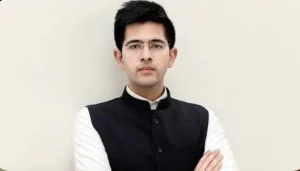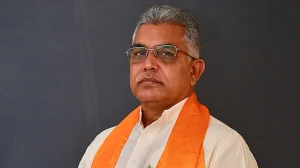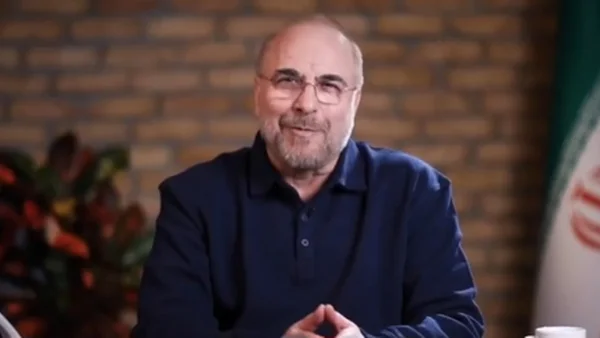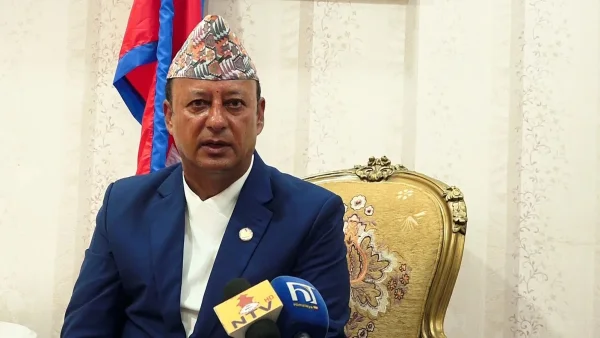
Nepal’s Central Investigation Bureau arrested Khadka as part of a money laundering investigation into last September’s Gen Z protests. Police said this happened after looking at cash they found at his home during the protests, and after the department that deals with money laundering asked for his arrest.
Background to the Gen Z protests and earlier arrests
The Gen Z protests started with a short block on social media, but quickly grew to be about corruption and the difficult economy. Demonstrations on September and 9th turned into violent fights, resulting in many deaths and an official investigation into how the government and police handled the crowds.
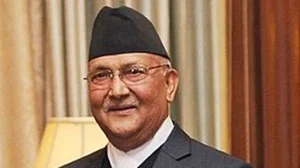
The day before Khadka was arrested, former Prime Minister K P Sharma Oli and a previous Home Minister were arrested too. They are accused of being involved in how security was used during the protests. A government inquiry suggested they should be prosecuted for not stopping security forces from shooting protesters, though they say they didn’t tell anyone to use force.
Allegations against Deepak Khadka and legal basis
Officials claim Khadka is accused of getting money in return for helping people get licenses and contracts when he was Minister for Energy, Water Resources and Irrigation. The Department of Money Laundering Investigation is handling the investigation into the money found during the protests and any financial dealings relating to his time as minister.
Investigators say Khadka’s arrest followed the standard procedures for anti-money laundering. Khadka is being held to answer questions as they try to find where the money came from and whether money from illegal activities was used in contracts or license approvals he authorized.
Forensic evidence and scene reports from the protests
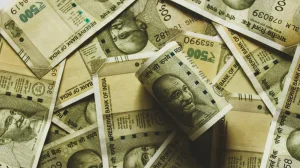
During the protests, protesters went into the homes of several politicians and burned things, and videos showed pieces of money burning in a number of places. The government later confirmed with forensic tests that parts of the money that was seized were actual national bank notes and were examined to find out where they had been and how they had been handled.
Pictures of money being thrown into the streets increased the calls for a thorough investigation. Investigators say the results of the lab tests and records of who had the money at each step will be vital to building a case and proving if the money was connected to bribes or rightfully owned.
Political aftermath and governance changes
The troubles caused a temporary government led by someone in charge temporarily until recent general elections. After the election, the new government started a big plan to improve how things are run, which includes a special investigation into the wealth of politicians and high ranking officials as part of a larger effort to fight corruption.
The new Prime Minister, a relatively young politician from a city who used to work in the media and local government, has promised big changes to the system. The plan to review assets aims to be more open and honest, and to deal with the public’s anger which helped to cause the protests and the changes in the election results.
Legal outlook and broader implications
Investigators say the case will go through the money laundering department, with the Central Investigation Bureau supervising. Prosecutors will have to show how the money moved and connect it to illegal activities and prove Khadka intended to hide the illegal money, a difficult task that needs very detailed financial analysis and written proof.
However the case is decided in court, these arrests mark a change in politics. If the cases are successful, they could make it easier to control corruption within government, but they could also make the country more divided. Either way, the investigations show a renewed attempt to hold people responsible for their actions after one of Nepal’s most important protest movements.