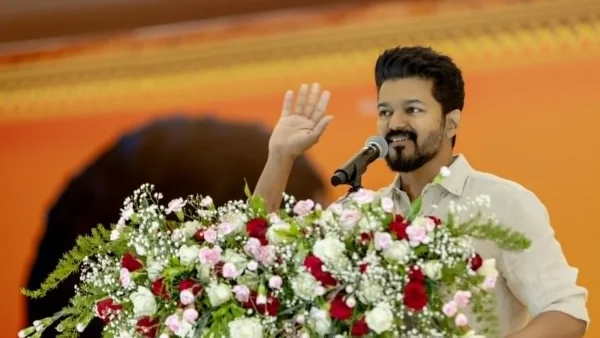
On Sunday, Vijay presented his party’s plans for the Tamil Nadu election in 2026. He said there will be protected areas in schools to stop drugs and monthly money for students. Education, jobs, and the creative industries are the most important parts of his campaign before the April 23rd election.
Manifesto highlights and core promises
Vijay has a vision of Tamil Nadu becoming a place without drugs and able to support itself. He promises that every school and college in the state will have drug-free zones. He also says all government tests will happen on schedule, which should help students and people starting their careers as they are often delayed.
The plan includes 4,000 rupees a month for people who have finished a degree and 2,000 rupees a month for those with a diploma; this is meant to help them start their own businesses. Vijay wants to move from a situation where people are looking for jobs, to one where people are creating jobs and that is the eventual aim of his policies.
Education measures and student assistance details
Giving graduates and diploma holders a monthly payment is for young adults going into a job market that is uncertain. If the money is actually given, it could make it easier to move from school to a job or a trade school, but it needs to be very clear who is able to get it so the money isn’t wasted.
Making schools and colleges drug-free zones will mean the education department, the police and health services all working together. Actually doing this will likely involve teaching people about the dangers of drugs, providing counseling, and helping people to get better, and not just having stricter rules.
Employment and entrepreneurship initiatives
Vijay says he will have a 'Local Employment for Local People‘ program, meaning 75% of all jobs in Tamil Nadu will be for people who live in the state. However, this idea brings up problems with how easily people can move for work and the protections the constitution gives, and it will need to be carefully worked out so businesses can still get the employees they need.
The Creative Entrepreneurs Scheme is to help 150,000 creative people become business owners and to open 500 creative schools throughout the state. This is aimed at the growing digital and creative industries and would require a lot of continued investment in training, the equipment needed, and getting creative talent access to markets so they can grow.
Candidates, electoral strategy and party footprint
Vijay has published a list of the 234 TVK people who will be running for a seat in the Assembly. He will run in Perambur and Tiruchirapalli East against current members of the government from other parties, and this makes TVK a direct competitor in cities and areas that are important.
Other important races include Kolathur and Chepauk, where TVK candidates will be against well-known current members of the government. Important people in the party have been chosen to run in important parts of Chennai, and the party is using the “whistle” as their election symbol to help people remember them.
Election timetable and potential political impact
Tamil Nadu will have a single election on April tth for all 234 areas, and the votes will be counted on May 4th. Because an actor who became a politician and has a full list of candidates is now in the race, the election could become a contest between three groups, and this will change how votes are split between the usual groups and alliances.
Vijay’s combination of help for people, plans to stop drugs, and plans for the creative industries are all intended to attract young voters and people voting for the first time. Whether these promises will become lasting policies will depend on how the money is planned, if they are legally allowed, and if the party can turn what they say they will do during the campaign into programs that can be put into action.