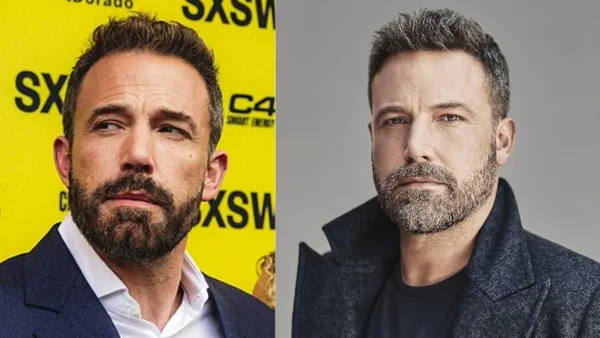
The streaming company got InterPositive’s 16 staff, made up of engineers, researchers and people in creative roles. The buy is happening after the service decided not to buy a film studio, and is the first deal it has made since then. No details about how much money changed hands were given.
What the buy means and why it’s happening
Netflix confirmed InterPositive’s people were being hired and that Affleck would be a senior advisor, giving help all the time. The move shows Netflix is changing how it acts, to film tech and creative tools it has itself, instead of getting bigger libraries of films or studios.
Those in charge of the company said the purchase was about investing in being able to make things, not saving money. People who watch the industry point out that the timing – straight after the service gave up on trying to buy a big studio – shows a new interest in making films in new ways.
What InterPositive’s AI tools do for film making
InterPositive makes AI tools to help filmmakers when films are being worked on after they are filmed. The tools deal with things like colour grading, changing the lighting in shots and adding special effects, but let directors and editors still make the final choices.
Affleck made it clear that the tools do not make films from nothing. ‘It isn’t about typing in what you want or making something from nothing,’ he said, and called the system a tool that helps what filmmakers get on set.
How the AI system learns and is used
The company trains AI systems using the film’s existing ‘dailies’ – the first rough cuts of shots – and so teaches the system the way a film looks and how things are put together in a film. This lets the system suggest changes and fixes that fit the film’s look and what the film is trying to say.
The tech also deals with problems that happen when films are being made in the real world, like shots being missing, backgrounds needing to be changed and the lighting being wrong. Engineers put limits on the systems so the tools give choices but keep the director’s creative ideas.
How much creative control there is and how it is kept safe by the buyer
People in charge of Netflix said the buy was a way to give creative people more choices and to keep their ideas safe. They said again they were committed to tools that gave more creative freedom, not to take the place of writers, directors, actors or the people who work on film sets.
Netflix also said these tools were to help make films of better quality, not just to make films quicker or cheaper. The message is that the tech is a set of tools for artists to use on set and when films are being worked on.
What this means for making films and the market as a whole
The deal shows that the film industry is more and more turning to using AI tools that help with how creative work is done. Film studios and film teams are more and more looking at using AI in ways that solve particular problems with making films, without taking away the idea of who made the film.
For filmmakers, the buy could mean they have more access to tools made for them which respect the rules of film and the difficult things about working on film sets. For the market, it shows that tech-based creative tools are now seen as useful things for companies that want to link making films and showing them together.
What Ben Affleck wants and what will happen in the future
Affleck started InterPositive in 2022 after seeing early AI work in film and seeing how general AI systems were not good enough. He said the tools are made to show and keep the small differences which make a good story, from how a lens makes things look to how light changes in a scene.
With the company now part of a big streaming service and Affleck as an advisor, the focus will be on making the tools better to help filmmakers, while keeping control of what is in the film. The buy could be a model for how creative people and tech teams work together in the future.