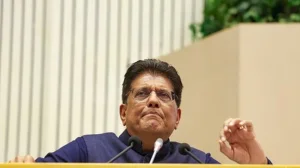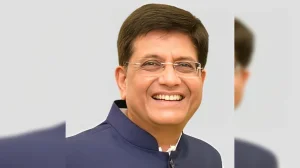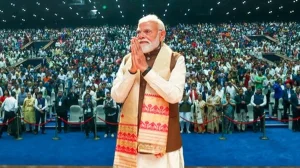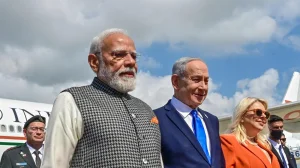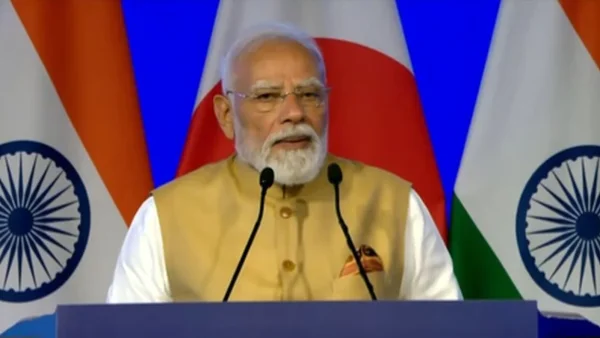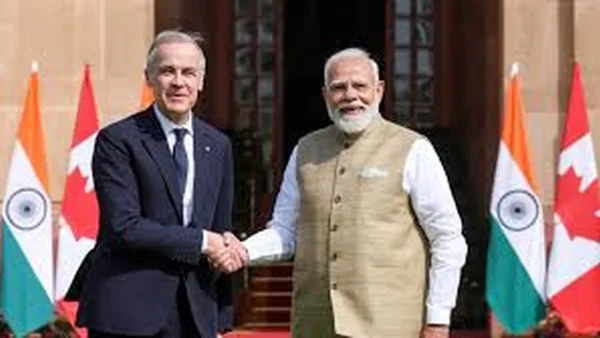
Carney said Modi is unceasing in his efforts, and that, during his time as chief minister and prime minister, ‘he hasn’t had a day off’. The Indian leader, he added, keeps up a very consistent schedule of public work and shows a lot of self-control. Carney gave Modi’s weekend events – where he almost always gets huge audiences – as proof of his amazing ability to connect with the public, and said this energy was part of a style of governing that keeps him very close to the people he governs. Carney also said Modi is good at dealing with international matters while still paying attention to what people need every day; even when involved in top-level diplomacy, Modi always goes back to thinking about villages and making sure basic services are delivered.
Carney’s main idea was how India has used financial and digital change to cut down on waste in public money.
He picked out the Unified Payments Interface – UPI – as a really important success in making instant transfers and including more people in the financial system. Carney called the changes to the payments system a practical ‘trick’ to get money directly to people, without people in the middle. He said UPI and similar changes have brought hundreds of millions of people into the formal economy, making things more open and efficient. Carney said this focus on direct payments and digital IDs shows a wider way of governing: use technology and financial change to get to the average person. He said this ‘results-first’ approach is what drives a lot of policy.
He said the visit set the tone for what he called a ‘new age of partnership’ in both the economy and security.
Carney described his trip to India as a fresh start for the relationship between the two countries, and said both sides had done things to rebuild trust and make cooperation wider.
During the visit, the two sides signed agreements on technology and culture, and flags were flown to show a wish for more engagement. Carney also said a Canadian company, Cameco, had signed a long-term deal to supply uranium to India – a sign of energy cooperation. He also said there was progress in defense links, and a plan to renew a defense cooperation agreement. Carney stressed the links between the people of both countries, saying almost two million Canadians come from India, and that travel between the two countries is still very active.
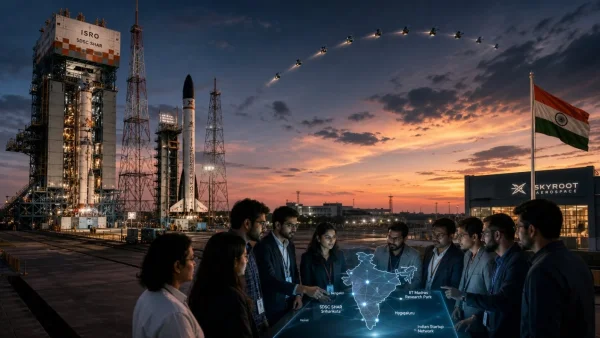
Carney pointed to several areas for more work together, including artificial intelligence and other new technologies where being able to recover and having shared standards are important. He said practical work on AI could build up the ability of both countries, while also dealing with risks. In terms of the economy, Canada sees chances to help India with its energy needs and its tech goals. Carney asked for focused partnerships that are aimed at getting results – to match India’s stress on results and quick action. The Canadian prime minister ended by saying both countries have work to do, but share a sensible plan. With financial change, digital platforms like UPI, energy deals and new defense links, Ottawa and New Delhi seem ready for deeper, results-focused engagement.