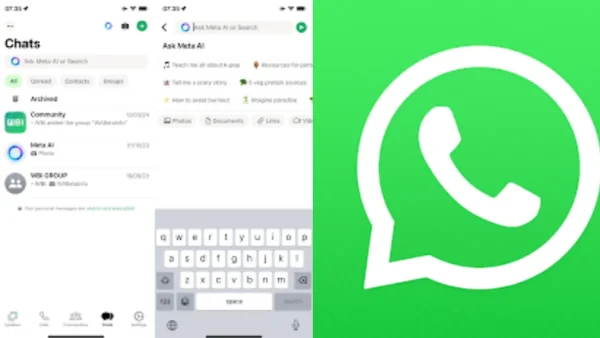
Meta stated it would permit all-purpose AI chatbots to work by way of the WhatsApp Business API in Europe for only 12 months. The business described the choice as a reply to the continuing regulatory procedure and said it might do away with the need for quick action to be taken.
This access has business conditions. Meta has stated the API will be available to competing AI companies for a charge – something critics say could lessen the value of access. Meta also pointed out the move is to aid interoperability as regulators finish their review.
What regulators are doing and looking into
The European Commission showed it was thinking about temporary steps after a number of AI assistant companies complained about Meta’s policy change in January. Authorities are now figuring out how the new access terms affect both short-term steps and a wider look into what Meta is doing from an antitrust point of view.
EU authorities have tried to stop things that could make market power stronger while the investigation goes on. The Commission is looking at whether Meta’s follow-up steps are enough to deal with competition worries, or whether tougher steps will be needed.
How developers are reacting and what problems there are
Some AI chatbot developers were glad access was brought back, but criticised the charge structure. A number of companies which made complaints said that charging per message makes it too costly to run conversation helpers on WhatsApp, since AI talks often involve many short exchanges.
Meta has protected its position by saying system stress and infrastructure costs are the reason when many third-party chatbots link to the API. The company also showed other ways AI companies could distribute, like app stores, search links, email, operating system deals and direct web services.
What this means for the economy and competition
Letting access happen with charges might lower quick regulatory stress, but does not solve the basic competition questions. If the charges make a real barrier, competing companies could still be kept out of a major messaging channel with hundreds of millions of users in Europe.
The charge model is important for startups and smaller AI firms. High running costs could favour the bigger companies already in place which can take the charges, changing market dynamics and possibly stopping new ideas. Authorities will see whether Meta’s terms keep fair access, or just put competition barriers into price gates.
What choices are being made in policy and what comes next for authorities and companies
The European Commission will carry on its antitrust investigation and watch how Meta’s 12-month access policy works out in practice. If the Commission finds the arrangement not good enough, it keeps the option to put in short-term fixes, or more lasting structural or behaviour fixes.
For AI companies, the most important thing now is to look at business models under the new cost rules, and to ask for clearer technical and business terms. For people who make policy, the case shows the problem of balancing infrastructure costs with the need to stop gatekeepers from using platform control to shape related markets.
Meta’s short-term move buys time for authorities and the industry to see what the effects on competition are. How both sides deal with the next year will shape access to messaging platforms and the wider market for conversation AI in Europe.