The Panchami tithi starts at 7:17 PM on March 7, 2026, and goes until 9:10 PM on March 8, 2026. Since the tithi is on two days, most families and temples will have Rang Panchami on March 8, 2026, since the Panchami will be around for most of the day. Those who worship will look for a good time – a shubh muhurat – in that time for worship and public events.
*Rang Panchami 2026: Date and shubh muhurat (good time)
For private worship and what temples do, people usually pick the morning or afternoon of March 8, when the Panchami tithi is totally there. Temples in the area and those who arrange events in the community may show certain muhurats for parades, throwing colors, and special prayers.
Why the date can be confusing
Hindu dates are based on lunar tithis, not the days of the standard calendar, so festival dates can go over solar days. When a tithi starts late at night, both days of the standard calendar can have the same lunar day. That’s why some calendars say March 7 and others say March 8.
To not get mixed up, look at a good panchang, or ask a local temple. If the Panchami tithi is during the daylight on March 8 – as it will be in 2026 – that’s usually taken as the day of the holiday.
History and what the holiday means spiritually
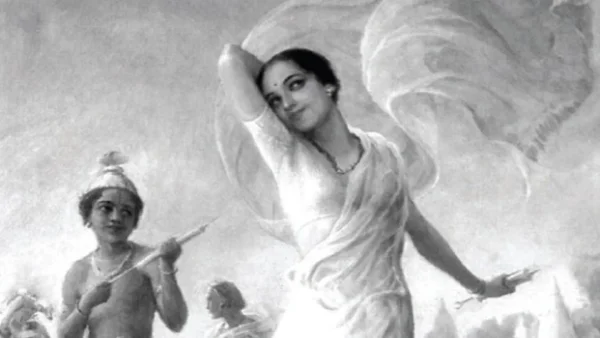
Rang Panchami honors the playful color fun tied to Lord Krishna and Radha. Five days after Holi, the holiday shows the never-ending cosmic play of colors and good winning over bad. In some places it is also called Krishna Panchami or Dev Panchami.
The day is linked to the Pancha Tattva, the five things that make up the universe. Throwing colors is seen as a symbol of balance between these things, giving new energy and getting rid of bad effects. In holy towns like Mathura and Vrindavan, these ideas bring life to long temple celebrations.
Religious acts and how it’s celebrated in different areas
Rang Panchami religious acts are putting gulal on people, giving special pujas, and singing songs of worship. Temples have Rangotsava, or color holidays, with parades, music, and prayers with everyone. In Mathura and Vrindavan, the events often make a grand end to the Holi week.
States such as Madhya Pradesh, Maharashtra, and Gujarat really celebrate Rang Panchami. Cities like Indore and Ujjain are known for big public parades and creative shows, including the city spraying sweet-smelling colored water. These sights get large groups of people and make a community feeling of being done with Holi.
How to celebrate safely and with respect
Use colors from nature or that are good for skin, and don’t use bad powders made by people. Respect what people want: not everyone wants to be covered in color. Don’t use too much water and don’t waste things during public events. If you have or join parades, follow local safety advice and what is allowed.
Include children and older people in easier acts and keep a small first-aid kit close. After the events, clean skin with soft oils and gentle soap to make less pain. Rang Panchami 2026 gives a happy end to the Holi season and has a lot of cultural meaning. Celebrating on March 8, in the Panchami tithi time, groups of people will mix worship, memory of myths, and public fun to end the Holi time on a colorful, lucky note.