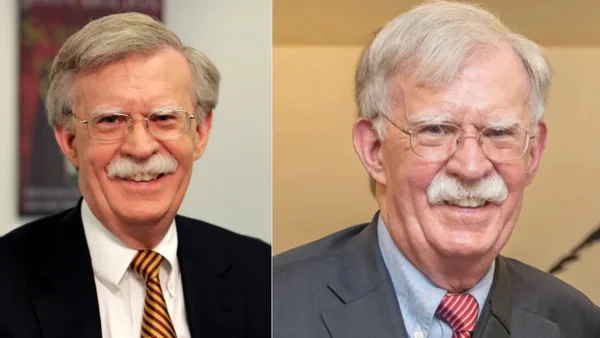
In no uncertain terms, the former National Security Adviser has put out a warning on the new arrangement with Iran. He calls it a major error that leaves the U.S. strategically in the open and Iran in a more powerful position. For Bolton, any short-lived respite from oil and shipping hassles has been put ahead of the country’s security and good name.
Then there’s the memorandum itself, which was put in place after a good deal of hard times. Bolton says it’s an example of poor diplomacy for going around the very things that caused the row in the first place. His point is that Washington has let go of some hard-won leverage without making sure Iran’s nuclear and regional moves are put on a permanent back burner.
Bolton’s central charge
You won’t find any resolution of the main beef with Tehran over its nukes or military in this agreement, according to Bolton. He has words for the kind of diplomacy on display here: it does more for Iran than it should, and you can still have your doubts about their missiles, their proxies and the militants they back.
He puts it down to Washington caving to a bit of a fix for the Strait of Hormuz, driven by some anxiety over the global economy and pressure at home. The truce with Iran was a misstep, he says, one that has given them the room to put themselves back together.
This is where Bolton thinks the deal comes up short:
– We let go of key leverage before we should have
– Preoccupation with oil has put other matters to one side
– A lot of what Iran is doing has been left alone
What the MoU actually does
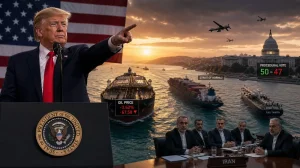
On paper, the 14-point Memorandum of Understanding brings an end to the fighting between the U.S. and Iran. It’s an interim 60-day plan to cool things down as they work on a proper, binding treaty.
The Strait of Hormuz is open for business again. Iran has called off its blockade and put the sea mines away so commercial traffic can move, and the U.S. has done the same on its end.
Tehran has put on the table that it will not be making nuclear weapons and is putting a hold on what it is doing now. What to do with the highly enriched uranium they have on hand is something for the next 60 days to decide.
There are some immediate sanctions being set aside so Iranian oil can get out the door, with more to follow in due course. Billions in assets will be unfrozen, and there is a plan for an international reconstruction effort of some $300 billion to put right the damage to Iran’s infrastructure.
Markets have taken the news well enough, with oil prices in check and some of the jitters put to rest. Bolton will give you the near-term benefit of the doubt but is wary that it might not last if the hard questions are still there.
Strategic implications Bolton says were ignored
The way he sees it, the administration was in a hurry to get oil moving and put a dent in prices by opening up the Strait. He doesn’t think they gave enough thought to what happens when you make concessions for a little breathing room.
He points to the fact that we haven’t made headway on their nukes, their support for terror, or the fact they can shut down the Strait on a whim. And then there is the matter of how the Iranian people are treated. All of that, in his book, is to Iran’s advantage now.
Iran’s position after joint strikes
Bolton will tell you that the combined efforts of the U.S. and Israel did a number on Iran’s military, from its air force and navy to its defences and the facilities tied to its nuclear work. According to him, the military pressure was no small matter.
But he made the case that Tehran has a way of making a political issue out of a shipping problem. Iran has been using the threat to freedom of the seas as a form of economic hold-up on the rest of the world, getting what it wants and some time to spare in the process.
Credibility, rivals and domestic costs
Bolton’s warning is that this kind of deal can do a number on US credibility with our adversaries. You have critics who like to put a ‘TACO’ (Trump Always Chickens Out) on him, and he figures the folks in Beijing, Moscow and Pyongyang will see the agreement and think they were right.
His point is that if you can get the President to look the other way, you can move the US off its strategic course. In Bolton’s eyes, we come across as more willing to put near-term concerns first, which is an open invitation for others to push their luck.
He also sees a down-the-road problem for Trump. If the perks don’t show up or Iran gets tough in the talks, the reputational hit could be hard to take.
Economic relief vs risk realities
Then there is the money side of things. Bolton isn’t so sure we’ll see a quick fix in the Gulf. There is still too much of a question mark for the big shipping and insurance firms to put a lot of tonnage back in the water.
Even the kind of economic upside from the MoU that Trump is after might not come to pass. As long as the risk is there, a few waivers won’t be enough to get trade and cargo moving again in any meaningful way.
Some in the market have seen a bit of a let-up:
– Oil has been a little softer
– The markets are steadying
– But shippers and insurers are still treading carefully
What happens during the 60-day window
The idea is to make a permanent thing of the ceasefire. The negotiators have to figure out the future of the enriched uranium, turn some of these sanctions into something you can actually live with, and put pen to paper on a real treaty.
Bolton says Iran will take the breathing room to put some money in the bank and retool its military. Even if they’ve been bruised in the field, the pause gives them an edge at the table.
Why Bolton’s critique matters now
There are a lot of people with skin in the game here, from the Gulf to the countries that import oil. We need the Strait of Hormuz to be open and prices to be steady, but what will matter in the long run is having some teeth when it comes to nuclear activity and regional troublemakers.
Washington has to see if it can let up on the economy without giving away its leverage. For the Iranians, it’s about getting back to selling crude and making sure the relief holds up past day 60. And for the markets, it all comes down to whether the seas are safe.
It’s a matter of trade-offs. Is de-escalation for now worth the chance of letting Iran dig in? Or does a step-by-step approach to a treaty with some strings attached to the sanctions make for a better bet?
The bottom line
In Bolton’s telling, the MoU is a way of caving in. It puts strategy on the shelf, hands a win to Iran and makes us look weak. He thinks it leaves us open to being taken advantage of.
Those in the administration will tell you about the trade lanes and the dip in oil. Bolton would have you believe that unless you put a lid on the nukes and the proxies, you’re only going to have a short-lived victory.
We are in the 60-day period now. It will be down to three things: safe passage in the Hormuz, some verifiable limits on the nuclear file, and an economy that doesn’t make a virtue of being strong-armed. We’ll soon see if this is a peacemaker or just a way to reset the clock.