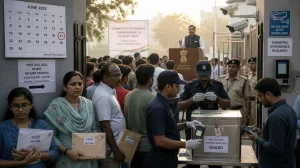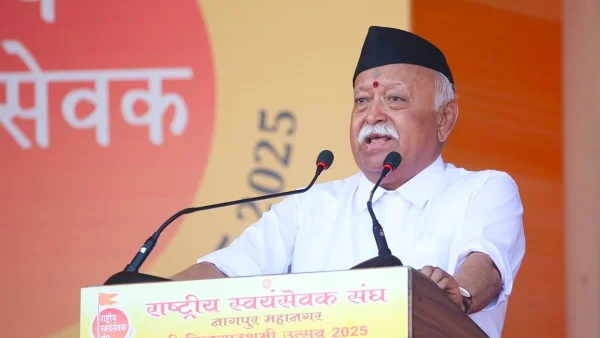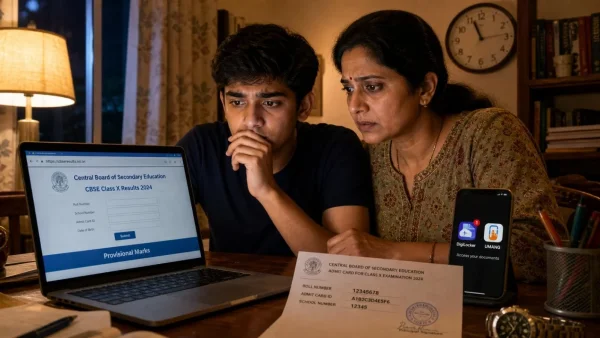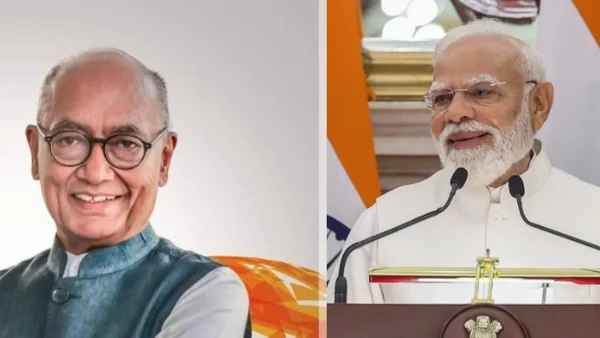
Schools all over India are bracing for a mid-course correction. In a letter to PM Narendra Modi, senior Congress man Digvijaya Singh has put in for an immediate stop to the CBSE’s three-language rule for Class IX, which is set to start 1st July 2026. He says it will only cause trouble in the classroom and put kids under a strain, especially with a court ruling not coming until 15th of the month.
Singh, who heads the Parliamentary Standing Committee on Education, Women, Children, Youth and Sports, says he was moved to write after some parents of Class IX students put forward their case in no uncertain terms. “The concerns are real,” he wrote on 5 June, and he is looking for the government to step in.
Why the July date is a worry for schools and parents
It’s a matter of hard facts for schools. Singh sees a roadblock: you don’t have the staff, you don’t have the proper books, and you have to do this in the middle of a session that is already in full swing.
Then there is the question of what to teach. NCERT hasn’t put out any graded language books yet. So CBSE has put forward the idea of using Grade 6 material for Class IX, which leaves one to wonder if it is up to the mark for both learning and grading.
He is also putting out a word of caution. If you force this through, you could see the kind of upheaval that followed the On-Screen Marking fiasco, which left hundreds of thousands of students in the lurch. It’s not about whether they can learn a new tongue; it’s about being unprepared for the change.
These are the headliners in his list of risks for the families and the schools:
– A shortage of qualified teachers when you need them
– No proper textbooks for Class IX on hand
– Timetables in disarray in the middle of the term
– A patchwork of language rules depending on where you are
What the governing body said and what the circular says
Singh puts the two side by side. Back in December 2025, the CBSE Governing Body had given its nod to a view from the Curriculum Committee: stick with the old system until NCERT has something to offer.
And yet, on 15 May 2026, a circular comes down the line making a third language a must for Grade IX as of 1st July. Singh wants to know why the earlier call of the day has been put on the shelf, and he is not mincing words about the effect it has on the academic plans of a thousand or more schools.
Principals are in a bind. Do they go ahead and open up some pedagogical holes? Or do they sit tight and risk going against a directive? Add in the fact that it is sub-judice with a decision due on 15th July, and you have a recipe for stress.
When geography and resources get in the way
You can’t ignore the uneven playing field, Singh says. Down in the South or in the North-East, Hindi is not the common language, and some of the tribal tongues in use won’t be found on CBSE’s approved roster. So the onus is on administrators to put together some workable plan in a few short weeks.
Sanskrit has become the go-to for a third language, says Singh. Yet he is quick to point out you won’t find enough of the right kind of teachers or the textbooks to match. In his view, to force a subject like that into a classroom without the means to back it up is to defeat the very purpose of its promotion.
What Singh has put to the PM
His appeal is no-nonsense: halt the policy for this year’s Class IX cohort, now. He makes of it a matter of good academic order and the well-being of the student body, not a political one.
Then there is the timing. With the court set to rule on 15th July 2026 and schools due to begin third-language classes on 1st July, there is an obvious conflict. Singh is asking the Prime Minister to have a look at it and see sense of it before things get unmanageable.
Exams in the crosshairs
This isn’t the only time Singh has made himself known on matters of policy. Not long ago he was in touch with the PM over the NEET-UG paper leak, calling for a white paper to lay out what has been going on with NTA exams in the last eight years.
The NEET (UG) 2026, held in early May, was called off after the 12th on account of the leak and is being probed by the CBI. A re-test is in the books for 21 June. But as Singh would have it, when you have lakhs of students in a bind, the way you handle things is as important as the result.
Where we stand
It all comes down to how the Centre and the law respond. Schools are making ready for a July start with a lot of loose ends on staffing and materials.
Stability is the common denominator here. Singh’s point is that a hasty reform, even if you mean well, can do more harm than good. You can make room for a third language, but you can’t do it without the staff, the books and the time.
Administrators are waiting to see if there will be a reprieve that lets the CBSE and NCERT get their act together. Parents want to know what to expect of the coming year.
For a kid about to enter Class IX, it is a real concern. The language you pick dictates your workload and how you’ll be graded. Make a move without the proper support and you’re just creating more of a divide.
Singh’s letter is a direct line from the drawing board to the classroom. It’s not about shying away from learning a new tongue, he says, but from the rush of it. If you want the CBSE system to be fair and sound, you have to do it right.
A stay of the directive until the NCERT has its textbooks in order would give schools some breathing room. Without it, come 1st July 2026, it will be a hard and expensive run.
With July on the horizon, the word from the ground is simple: tell us what we’re dealing with before we have to follow suit. Singh has made his case to the PM. For Class IX, the time is already running out.