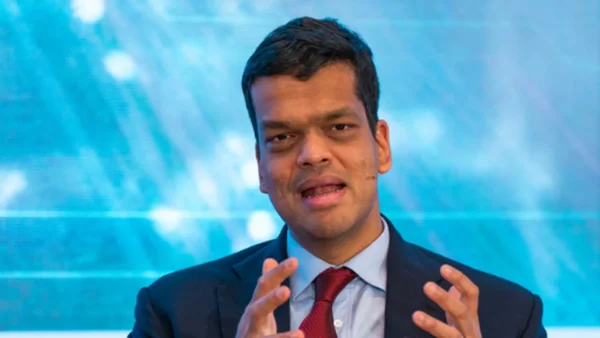
Sriram Krishnan is out at the end of June. It’s a move that might well alter the dynamics of who and where US AI strategy is made. Those in the know say he has been mulling over an institution run by engineers to back up the administration’s plans for the road ahead.
Why this exit matters
You can’t talk about the push to put a national framework on AI without mentioning Krishnan. Now he is making a tactical shift: leave the government and set up a policy shop with a lot of engineering talent. The idea is to have that kind of firepower in the room when policies are being written, not just be dependent on the usual think tanks or agency red tape.
It’s a way to get from an idea to a governance proposal in less time and put a finer point on the administration’s view of frontier systems. You also have to factor in Washington’s increasing unease with some of these highly capable models and the need for better guardrails.
An engineer-first policy play
Should it come to pass, an institution of this sort would be in a position to nudge standards from the outside while keeping one eye on what the administration wants. It makes for a hazy line between research and doing, with the experts in on testing and red-teaming at the speed of policy.
What is changing now
Krishnan put it to rest on Saturday: he is done at the end of June. No reason given. ‘This journey has been the privilege of a lifetime,’ he put it on X. He has been in the spotlight of the US effort to put some checks in place for advanced AI, so the timing is notable.
Here is what we have been told by people in the room and from official word:
– He is set to leave in late June
– A new policy institution is in the works
– Engineers will be at the heart of it
– All in service of the Trump administration’s AI agenda
The security push shaping the timeline
There is a sense of urgency in Washington as more of these systems come online. Take Anthropic’s Mythos: word is it has shown it can find open flanks in the computer systems of a bank, for instance. That sort of thing ratchets up the pressure to do your due diligence before you let something out of the bag.
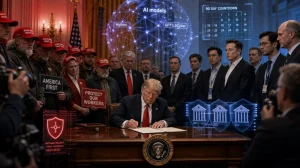
Case in point: an executive order from the White House on Tuesday tells federal agencies to have the top AI developers put their best work through some voluntary cybersecurity tests. It makes pre-release red-teaming a given while they put the regulatory pieces in place.
That is where Krishnan’s exit comes in. An outside group with a lot of engineering heft could give some substance to that voluntary testing, with some well-drafted playbooks and criteria for the industry and government to make use of.
Strategic implications for industry
If you’re in the business of building AI, the focus is on showing you have your safety in order. Letting the government test your top models is becoming the standard for a responsible launch. Get in on it and you have some street cred; don’t, and you’ll be up against headwinds and a market that won’t trust you.
A policy body in tune with the administration could be the place where companies and researchers get in a room to settle on what counts as an acceptable risk or how to handle model disclosures.
What to watch next
It all comes down to whether this can be put in motion and have some pull. Can an engineer-led group get up and running to have a say in the short term, and how will it mesh with what the agencies are already doing?
Keep an eye on these in the weeks to come:
– When and how the new institution is made public
– Who is signing up for the voluntary testing
– Any word on the national AI framework schedule
Don’t mistake his going for a lull in the policy drive; if anything, it’s being re-routed. We are moving from the drafting table to the test bench, where the two sides of the coin – engineering and policy – have to come together. The pace of that will tell us what’s in store for US AI governance.