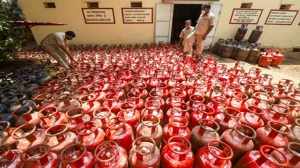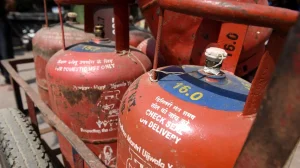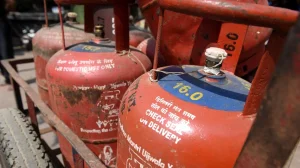
After a meeting between different departments of government which talked about supply problems – problems because of the war in Iran and the closing of the Strait of Hormuz – the central government will give the 48,000 kilolitres of kerosene to state governments. People working for the government said this is to lessen the immediate trouble for families and companies who are not getting enough LPG cylinders.
What’s causing the LPG shortage and the Gulf trouble
The closing of the Strait of Hormuz has stopped about 20 percent of all energy cargo in the world from moving. This has put a strain on getting things where they need to be, and has made people who depend on LPG which comes from Gulf countries worried.
Government people said that people buying things because they are panicking has made the supply problem worse; this is affecting restaurants and hotels and causing local fuel prices to go up. The government said the situation is okay to deal with, but asked people to not overreact so as not to make shortages worse.
What the kerosene release and giving it out involves
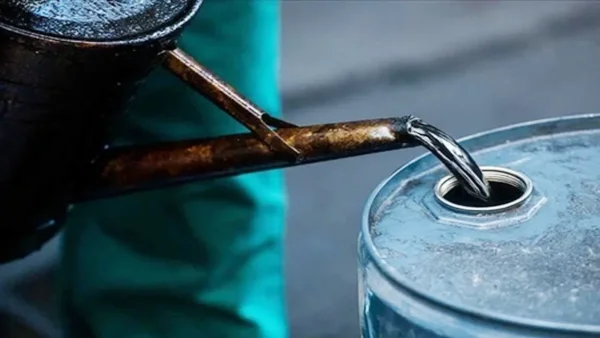
Joint Secretary Sujata Sharma said the kerosene release is in addition to a previous giving-out of about 100,000 kilolitres to states. The extra 48,000 kilolitres is to be given to families who are in trouble and businesses where getting LPG is difficult.
Kerosene can help with cooking and heating for a short time. The people in charge have allowed it to be used a little in businesses for a month to lessen the immediate effect on food services and small businesses.
What has been done to make more LPG and get supplies from different places
The government made an LPG Control Order which told refineries to get as much as possible from C3 and C4 hydrocarbon streams. Because of these orders to the refineries, LPG production has gone up by 28 percent in five days.
Getting things has also been made more different than from the usual Gulf suppliers. The United States, Norway, Canada, Algeria, and Russia are now new places to get imports from. People working for the government said these changes are to reduce how easily we could be hurt by trouble in the area and problems with shipping in the future.
Shipping and keeping an eye on the safety of crews
According to people in the shipping business, the number of Indian ships working in the Persian Gulf area has stayed the same. Most are to the west of the Strait of Hormuz, and the people in charge said they are actively watching ships and crews for safety.
Keeping ships working and watching the safety of crews in real time is important for keeping imports going and avoiding more trouble with the fuel supply chain. Keeping shipping routes safe is the most important thing while trouble in the area continues.
What this means for people who use things and what the government will do in the future
Giving out kerosene and making more LPG at refineries are short-term ways to make the supply steady. They will not take the place of needing to get energy and store it in ways which can last a long time, in the medium run.
People are being asked to not buy things because they are panicking and to use the fuel they have in a good way. For people who are in trouble, giving out kerosene can work for a short time. But kerosene is a fuel which makes more pollution than LPG, so it should only be used a little and for a short time.
What the government is doing includes continuing to get energy from different places and managing refineries in a clever way to give priority to gas for cooking in the country. These actions reduce depending on one source and help manage how prices change because of trouble in the world.
The situation shows how events in the world can affect markets in the country. Giving out things for a short time, like the 48,000 kilolitres of kerosene, can lessen bad shortages. Lasting ability to deal with things will depend on getting things from different places, storing them in a clever way, and always working with departments of government and state governments.