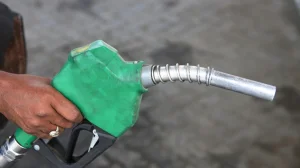
A top person in the petroleum department said on Tuesday that gasoline prices won’t go up at the moment, which should be a relief to people because of the problems in the Middle East. There is enough gasoline, diesel and LPG all over the country, and there aren’t any plans to increase prices. This is to reassure families and businesses who have been seeing the price of oil change in the world.
Government assures price stability
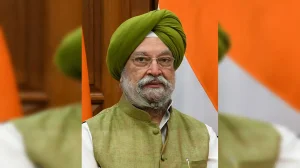
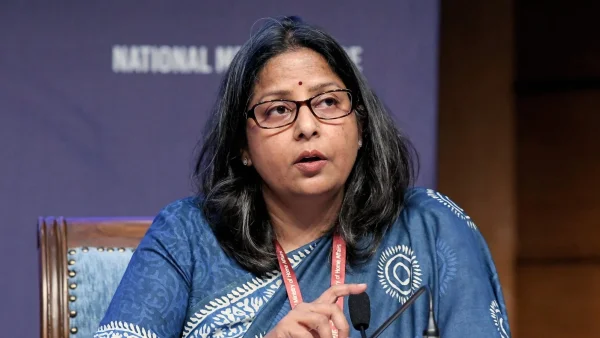
Sujata Sharma, who is a Joint Secretary in the Ministry of Petroleum and Natural Gas, told everyone at a meeting of many different government departments that gasoline and diesel prices aren’t going to be changed. She said, “There’s enough LPG, gasoline and diesel, and the prices haven’t increased, so please don’t worry.”
Government officials are carefully watching what’s happening with oil prices around the world. But they aren’t planning to pass on those global changes to people in India for their gasoline. Even though energy markets are unstable because of the changing risks in the region, the government is indicating that the price at the gas station will stay the same.
Sharma’s comments have lessened fears that gasoline prices will go up due to the increasing political difficulties in the Middle East, which have thrown the world’s energy markets into chaos.
Supplies secure despite disruptions
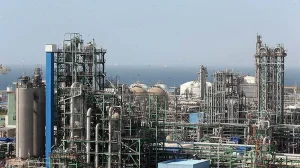
The ministry admits that the importing of crude oil, liquefied petroleum gas and piped natural gas has been affected by the problems in the Middle East. Sharma says that they have put plans in place to reduce any problems at home and ensure that people and transportation have a continuous supply.
The government says that getting enough domestic LPG, PNG (natural gas for homes) and CNG (natural gas for vehicles) is completely guaranteed. In fact, they emphasize that 100% of what domestic LPG users need, domestic PNG users need and CNG for transportation need is available.
Priority allocation and restoration efforts
Supplies of LPG for businesses (which had some issues) are now about 70% back to normal. They are continuing to fix this, and are giving hospitals and schools first priority to make sure important services aren’t interrupted.
Authorities outlined sectors receiving priority support to prevent critical bottlenecks:
– Hospitals and healthcare services
– Educational institutions across states
– Pharmaceuticals and drug manufacturing
– Agriculture operations, including irrigation
– Seeds supply chains and processing
– Steel production and allied industries
Support for vulnerable consumers
To help those who are in a difficult situation, the amount of 5-kg free trade LPG cylinders (which are used a lot by people who move around for work) has almost doubled. The goal is to make sure that workers who move from place to place and those with low incomes can still get fuel for cooking, even with the difficulties with supplies from other countries.
Officials say people shouldn’t be anxious or rush to buy a lot of fuel. Because the amount of fuel in storage is stable and is being given out in a careful way, people’s daily needs are being met without a break in supply.
Why it matters and what to watch
This explanation is coming at a time when global energy markets are following the growing tensions in the Middle East, which is a major oil-producing area. These kinds of situations often affect the price of oil, and then the price of gasoline in India, causing the public to be concerned about potential price increases.
By saying there is enough fuel and the price at the pump isn’t changing, the government wants to prevent people from expecting prices to go up. For people and businesses, the most important thing for now is that things will continue as usual: you’ll be able to fill up your gas tank and get your LPG refills at the regular price.
Officials stated they are keeping a close eye on the situation, and their main focus is making sure the supply doesn’t run out. If they need to make any further changes to how things operate, they will prioritize essential services and making sure people have fuel, and will keep the price at the pump from changing.
For now, the point is very clear: there are no plans to raise the price of gasoline or diesel. The government will continue to follow what is happening in the world and to make sure that India’s fuel supply system is strong and can respond to changes.