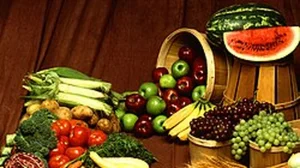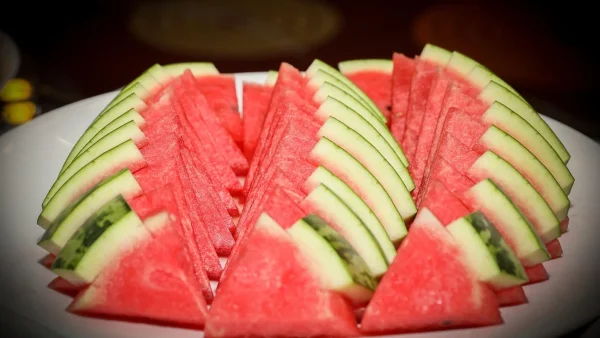
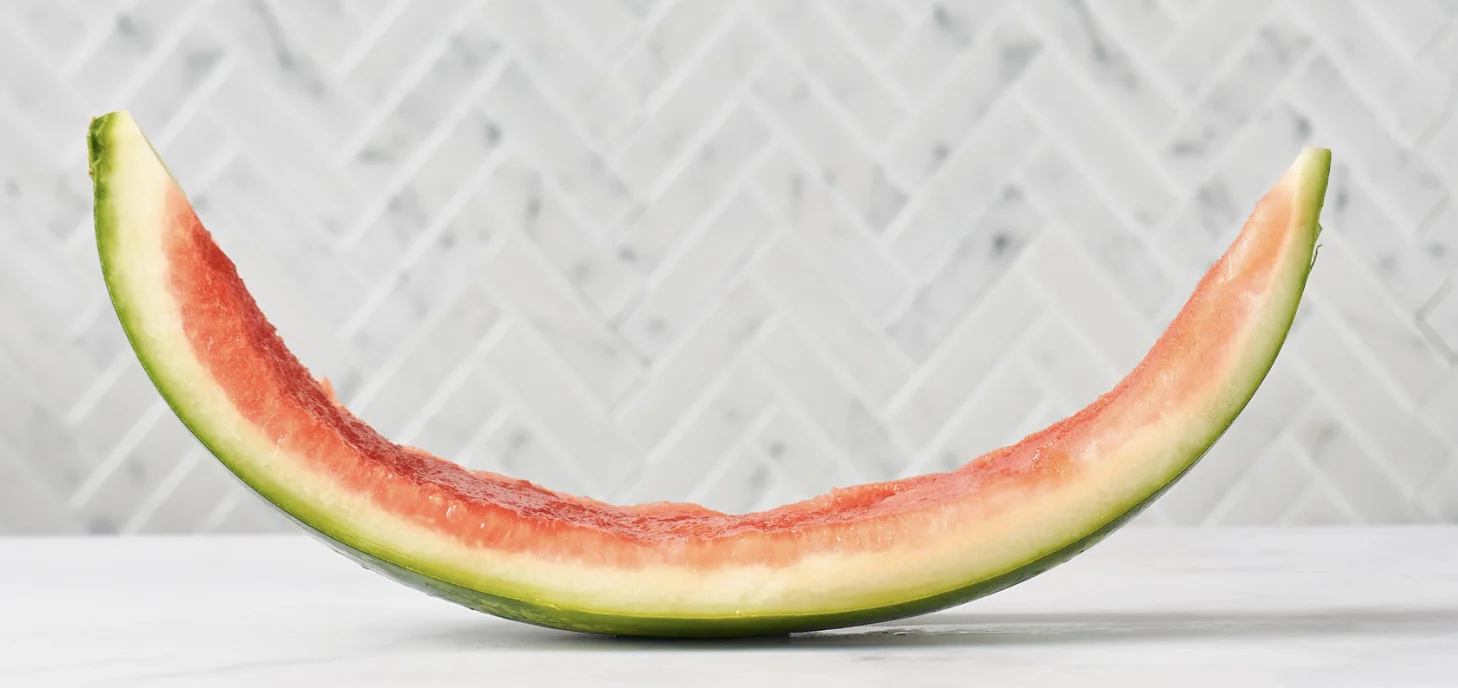
Nutritionist says the rind isn’t just garbage. It contains L-citrulline, an amino acid which changes into arginine and then helps your body make nitric oxide. Nitric oxide is important for healthy blood vessels and keeping your blood moving.
Why the white rind matters
Citrulline, by helping your blood vessels work better, can improve your heart health in general. And for anyone wanting to eat in a way that’s good for their heart without spending lots of money, the rind is really useful.
Not just citrulline: a useful nutrient mix
However, it’s not just about citrulline. The rind also has fiber, vitamin C, vitamin B6, riboflavin, substances that turn into vitamin A, and other good plant compounds. All of these things together can help with digestion, how your body gets energy, and keeping your circulation going.
Basically, the part of the watermelon you’re throwing away could actually be helping your heart, your stomach and how much energy you have each day.
Fiber is important for keeping your bowels moving and makes you feel fuller. Vitamin C strengthens your immune system, and B vitamins help with the way your body uses food for energy. The substances that become vitamin A are good for your skin and eyes. All of these together make the rind a surprisingly useful thing to add to your meals.
Real-world benefits cited by experts
Healthline, a health website, also says you can eat the whole watermelon, just like you can eat cucumbers. They add that it’s 92% water, and full of vitamins A and C, potassium and magnesium – which means it’s very good for staying hydrated and getting nutrients.
Here are the key takeaways experts highlight:
– Supports blood flow and vascular function via citrulline
– May assist blood pressure management in some adults
– Offers fibre for digestion and satiety
– The fruit is 92 percent water
Healthline says the citrulline in the rind might even improve mild or moderate problems with getting or keeping an erection, and could help athletes go for longer. However, a lot of this is based on what people have experienced and isn’t a replacement for going to the doctor.
Healthline also mentions studies where watermelon extract helped people who are overweight to lower their blood pressure. It also describes the fruit as a natural way to help your body get rid of extra water, which could be good for people with high blood pressure. Plus, the fiber in the rind can help with cholesterol, blood sugar and keeping your bowels regular.
If you normally throw the rind away, start by doing something easy and practical. Nutritionist recommends adding it to dishes you already make, so it just becomes a normal part of what you do, and not something extra.
How to cook with rind without fuss
You can pickle the white rind for a zesty, tangy dish to have on the side. It’s also quick to add to a stir-fry with your favourite spices. Or if you prefer sauces or drinks, make a chutney to go with snacks, or put it in a smoothie for a way to avoid waste and get extra goodness.
From kitchen waste to daily staple
Using the rind isn’t just about nutrition. It cuts down on food being wasted and makes the most of each watermelon you buy. This is especially helpful in the summer when watermelons are plentiful and staying hydrated, looking after your heart and quickly preparing food are all important.
What comes next
Nutritionist advice is simple: think again about what you put in the rubbish bin. If you want to help your circulation, your stomach and how your body gets energy, the white rind should have a place on your plate. Pick one recipe to try this week, and then continue from there.
With the scientifically-supported advice from Nutritionist and the benefits Healthline has reported, it’s clear: don’t throw away the part of your watermelon that people most often overlook. Your heart might need it.