You could say the court has made its presence felt at the ITAT to show there is no time to be lost – something investors are well aware of when they are watching their dispute timelines. In asking the Centre to give an answer and in looking into some temporary staffing, the court has made sure that this is back on the policy table.
Why this matters for investors
When a forum like the ITAT is short-staffed, it leaves you with some questions as to how fast a tax appeal will move. The court didn’t put a number on it, but the fact that it has to step in says enough about the size of the void and the kind of headwind it can be for a business trying to plan for a pending case.
What you see from the bench is a risk being dealt with, not put on the shelf. Put simply: if this leads to quicker hiring, you’ll have more clarity. If things don’t pick up, then you may have to factor in some more waiting and the usual unpredictability of a tax tussle.
What the Supreme Court directed
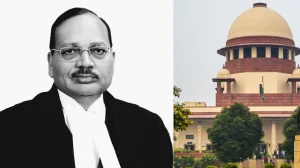
It was a bench of CJI Surya Kant and Justice Joymalya Bagchi that put out a notice to the Centre over a public interest plea on the state of the ITAT. They also made a point of enlisting the aid of Attorney General R Venkataramani, making this an issue for the top law officer in the land.
The bench was quite direct in its order: ‘Petition to be supplied to the office of Attorney General to ensure that the unfilled posts are filled at the earliest in the Income Tax Appellate Tribunal. As a stop gap measure tribunals may request HC to send judicial officers on deputation where such officers can be spared.’
They have asked the high courts to put forward judicial officers to cover for now. There is also an indication of a review on the administrative side, which is as much about putting the system right as it is about filling a seat.
Key steps flagged by the bench
Here is what the court’s moves mean for anyone with an eye on the clock:
– A notice to the Centre on the ITAT situation
– The Attorney General has been asked to step in
– Some deputation from the high courts is in the offing
– An administrative review is coming
The petition and the scale of concern
This came before the court in a PIL from Parveen Kumar Bansal, former vice president of the ITAT. Mukul Rohatgi, who was for the petitioner, made the case that every post, registrar and all, has been empty for years.
The bench was taken aback by how long these have been left to go. That, and the call for deputation, makes it clear they see these as non-negotiable for the tribunal to do its job with any credibility.
What could change next
There are two ways to look at it. One, with the AG’s input, the Centre might get around to the formalities. Two, the high courts can provide some cover in the form of deputation if they have the officers to spare.
In the short run, we will be watching to see if these temporary measures come to pass and if they are in the roles the petitioner pointed out. But in the end, it is about whether the unfilled positions actually get filled.
The court has made it plain it wants this done ‘at the earliest’. We will judge the success of that by the notifications and a little breathing room in terms of capacity, not just by what is said in court.
The bottom line
The Supreme Court is treating the ITAT’s vacancies as a problem for the whole system and one that can’t be put off. Should the orders do their job, there is predictability to be had. Failing that, you can expect some more of the same and a need to be on the conservative side of your planning until the administration gets on board.