It was a busy open for US Treasuries coming off the Memorial Day holiday. With Trump indicating things are moving in the right direction with Iran and oil giving up ground below $100, the market has had to re-evaluate. It’s a shift that has put a damper on the more hawkish side of the trade and lured buyers into longer maturities, despite some new stories of action in the Strait of Hormuz keeping nerves a little frayed.
Bonds surge as oil and inflation pressure ease
You could see the rally all along the curve. The two-year yield gave up six basis points to 4.05% and the 10-year did the same, landing at 4.50%. Even the 30-year was down four to 5.03%. All of this as cash came back to life and we had to make some quick adjustments after the long weekend.
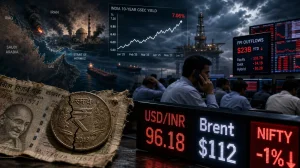
Brent crude went under $100 a barrel once Trump put out word that he and the other side were making progress on a ceasefire and getting the Strait of Hormuz open for business again. That kind of price action in oil has a way of putting a dent in inflation forecasts, and you can see it in the rates across the board.
Here is what investors were watching:
– Brent crude: under $100 a barrel
– Two-year yield: 4.05%, a six-basis point drop
– 10-year: 4.50%, also off by six bps
Fragile geopolitics is steering rates
On Monday, Trump said the Iran talks were "proceeding nicely,” and for a while, that was enough to put the market at ease and prop up the bond bid. Then, a few hours in, you have reports of US and Israeli aircraft hitting some Iranian ships in the Strait of Hormuz. A reminder of how tenuous the whole situation is.
“When you don’t have an escalation in the Middle East and there is some good will toward a deal, you get lower oil and lower inflation numbers,” says Wee Khoon Chong, a senior AC market strategist with BNY. “It’s a mix that takes some of the heat off for any policy tightening, and that is good for Treasuries.”
Not so long ago, yields were running up because of the Iran conflict and the steepest rise in inflation we’ve seen since 2023. It made people think the Fed, with Kevin Warsh at the helm, would be in no rush to let up. This week’s change in tone has put an end to that for now.
Pricing shifts out the Fed’s next move
If you look at overnight-indexed swaps, they are now fully in on a rate hike from the Fed not until March 2027. At the close of last week, it was December 2026. The later date is a sign of some de-risking on the near term, should the oil-driven inflation continue to wane.
Abbas Keshvani at RBC Capital Markets sees a case where if energy prices hold their course, you will see yields come down. It’s the sort of thinking that has the long end in the driver’s seat today.
Longer maturities start to reassert
With the hawks quieting down, the premium you need to be paid to hold a 30-year over a five has come back from where it was in May 2025. There is a feeling that the curve is steepening and that smart money is back in duration, figuring the worst of the inflation may be behind us.
“Global yields have run their course as the toll on the economy makes up for the initial jolt from the Strait being shut down for so long,” Garfield Reynolds puts it. And with 30-year government bonds handing out some of the best returns in 20 years, they are “poised to do well from here.”
What comes next
It all depends on whether the diplomacy holds up. One more hiccup in the Strait and the oil and inflation story will be back in play. But if the talks stay on track, you can expect to see the Fed risk repriced for 2027 and the bond market to be supported.
Then you have Navin Saigal of BlackRock, who thinks the Fed has a reason to put its foot on the brake or even cut, given the state of the labour market. He is in the minority; most are still of the mind that Warsh will put his stamp on fighting inflation before he gives in to any of Trump’s rate talk.
Now that the cash is in, you can bet positioning will be driven by whatever headlines come out of the Gulf and the energy sector. For those on the bull side of the bond market, the softer oil, the cooler inflation, and the fact the Fed isn’t in a hurry is exactly the opening they have been after.