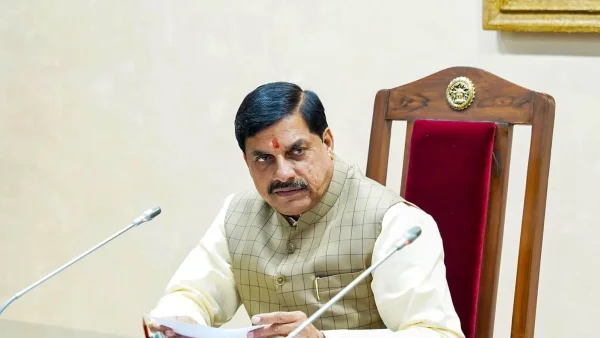
On May 25, 2026, you could sense an assertive cultural and political tone in Dhar as Chief Minister Mohan Yadav made the case for compensation for the Bhojshala deaths while also touting a new temple project and an institute. The High Court had given its nod on May 15 to the complex being a temple, and this was the follow-up.
Aid and a cultural push in the making
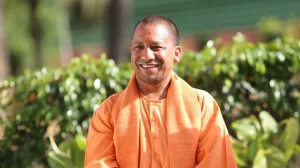
Yadav was inside the complex when he made the call: 5 lakh for each of the three families that lost a member in the 2003 protests over the Bhojshala. He also put his name to the construction of a ‘Maa Saraswati Lok’ and the setting up of the Raja Bhoj Research Institute in Dhar.
The Chief Minister put the High Court’s ruling down to a ‘750-year struggle’ and said Dhar is in a new chapter for the state. In what made him the first sitting CM to do so after the verdict, he offered prayers at the spot, now officially a home for the Goddess Vagdevi.
Who is being helped and the reason for it
We are talking about the relatives of Van Singh Araadi, Lakshman Singh and Anwar Singh from around the Dhar district. They were killed in the crossfire of a campaign by some Hindu groups, like the Vishwa Hindu Parishad, to get full rights to a place they say was the work of 11th-century King Bhoja.
Those organisations have put them forward as martyrs for some time. With the 5-lakh cheque and some public good will, the government has made sure the Bhojshala story is one of sacrifice, even with the law having been won on their side earlier in the month.
In short, here is what the state put on the record in Dhar:
– 5 lakh for the three families from the 2003 unrest
– A ‘Maa Saraswati Lok’ to be put in Dhar
– The Raja Bhoj Research Institute
– Some worship from the Chief Minister at the site
Where the politics come in
You had to be there to see the contrast: a Friday maha aarti by Hindu factions under a cordon of security, and then Muslim groups holding namaz at home in black armbands. For the BJP, the court’s word is a very visible win in M.P., harking back to the days of Raja Bhoj.
One of the party’s top men would have you believe it is a ‘civilisational’ mark on the CM’s record and something to be made of at election time. The line has always been to put Bhojshala in the same frame as Ayodhya or Kashi, and the verdict only makes that case stronger in the state.
On the ground, though
The government may be touting 'historical justice‘, but the activists and litigants want to go further. They are after unimpeded access, the erasure of any Islamic iconography and to have the locked parts of the monument opened up – they insist it is all original temple.
Yadav for his part mixed in some religion with a bit of development talk, doing the bhoomi pujan for a few local works. His pitch is that Dhar is to be a hub for culture and tourism, with the PM MITRA park and industry as proof that you can have your heritage and your progress too.
What the courts have said and what’s left to do
Back on the 15th, the M.P. High Court made it plain: the Bhojshala-Kamal Maula is a Vagdevi temple and an old seat of Sanskrit. Any claim from the Muslim side that it is a 14th century mosque was put to rest.
Time will tell how fast the administration can make the corridor and the institute a reality, and how they handle the rules at an ASI site. With the activists not ready to let go of their demands, it is going to be a matter of how the state manages its decisions and its security in Dhar.
Yadav put it in context with the likes of Malwa’s past, painting Raja Bhoj as a king with a scholar’s mind and a long tradition of Sanatan culture. But the bottom line is you have the state’s stamp of approval for the families involved and a plan to make Dhar a centre of sorts for the Saraswati.