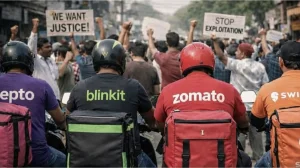
In many cities, your food is starting to arrive more quickly. Both Swiggy and magicpin say delivery times will be normal again as the workers who went to their home towns to vote and for the harvest are returning to the bigger cities. This improvement happens after weeks where deliveries were slow, the extra charges were higher, and there weren’t enough delivery people.
What is changing on the ground
Anshoo Sharma, the founder and CEO of magicpin, says more delivery people are available on food delivery apps because those who travelled to vote are now back in cities. Because of this, he says, orders are being completed faster and there aren’t as many hold-ups at the busiest times.
Sharma thinks the food delivery business will get out of the recent difficult period, although he does say there might still be some ups and downs. He believes overall business could increase by as much as 20 percent as more workers become available and the demand that has been building up is met more reliably.
Swiggy’s operational reset
Swiggy, which also runs Instamart for very fast delivery of groceries, said in a letter to its investors that the busiest harvest time and the state elections happened at the same time. This led to a large number of gig workers going home for four weeks, and made it much harder for restaurants to find delivery people.
This shortage meant that the time promised for delivery went up in some cities, and Swiggy had to take strong action. Swiggy increased prices at peak times and adjusted how far away from restaurants drivers would pick up orders in very busy areas. They did this to be able to continue offering a service until more delivery people returned.
Here are the measures and effects Swiggy flagged during the squeeze:
– Surge pricing in high-demand areas
– Calibration of long-distance deliveries
– Temporary increase in promised delivery times
Swiggy says this situation should begin to resolve in the next two weeks. As more delivery people become available, the apps are expected to stop using these restrictions, and get back to the speed and reliability that are essential for people to actually place orders and to use the apps again.
Competitive positioning and merchant tools
As the apps work to be fast again, magicpin is focusing on technology that helps restaurants. Sharma says they have released Vera, an AI assistant, to help restaurants with food and other items, and thousands of restaurants are using it every day.
Sharma explains that Vera was launched in response to the rising costs of gas, labor and products for small restaurants, and to help them manage what they sell and how much they charge, based on how quickly things are being bought. This shows they believe that having better information about stock and prices can help restaurants when things are difficult and increase their profits.
Why this matters now
In food delivery and quick commerce, being fast is a way to stay ahead of the competition. If deliveries take a long time, people will switch to another app, order less, or not finish their purchase. So getting back to being able to deliver within an hour is the most important thing for keeping their share of the market and not spending too much to get new customers.
Sharma’s belief that order numbers could go up by 20 percent shows how much the number of delivery people affects how many orders are placed. As the workforce gets back to normal, the apps should be able to use the high price increases less often, improve how customers feel about the service, and continue to get a good amount from restaurants.
What to watch next
The important dates to watch are Swiggy’s prediction of the “next couple of weeks” for things to be normal and how quickly the number of delivery people in the cities fills the remaining gaps. You can expect some minor changes to continue, but delivery promises for each city should improve as people finish their election travel and return from the harvest.