The biggest story in the oil market is now Saudi Aramco, because the CEO warned of a long-lasting problem with the near-shutdown of the Strait of Hormuz. The company’s earnings went up because of higher prices and quickly changing where they send their oil, which shows how much influence they have when the market is unstable.
Market risk and timeline
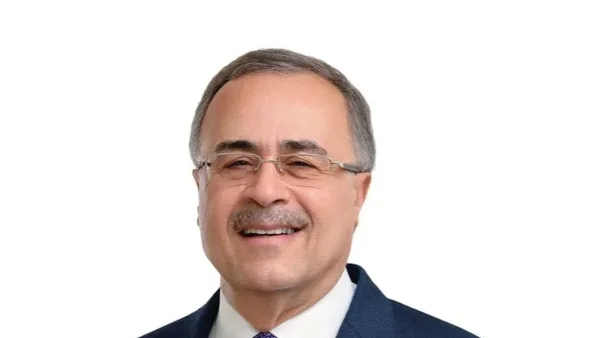
Amin Nasser explained that the market won’t go back to normal quickly, even if ships start moving through the Strait now. He believes it would take a few months for the oil market to get back into balance if the flow of oil starts again immediately. However, if the blockage lasts for more than a few weeks, he doesn’t think things will be normal until 2027.
Fighting in the Middle East has been going on for three months, and almost no traffic is going through Hormuz. Oil prices are staying near $100 a barrel. Nasser added that the world is short about a billion barrels of oil over the last two months, making the supply problem worse.
He said simply reopening shipping lanes isn’t the same as fixing a market that’s been without approximately one billion barrels of oil. He believes a lack of investment over the years and already low oil storage levels are adding to the pressure. His company’s goal, he said, is to “keep energy flowing, even when the system is under strain.”
Earnings signal pricing power
Because of increased prices for both crude oil and gasoline/diesel, Aramco’s net income for the first quarter was up 26% to 126 billion riyals (that’s $33.6 billion), which is more than what analysts predicted. Compared to last year, Aramco sold more crude oil, gasoline/diesel and chemical products, although it sold less crude oil this quarter than last quarter.
The company is still giving shareholders a dividend of $21.9 billion per quarter. They increased that amount by 3.5% at the end of last year. However, they only had $18.6 billion in free cash flow this quarter, which is less than the dividend. Their debt increased, and their gearing ratio went from 3.8% at the end of 2025 to 4.8%.
During the first quarter, Aramco received an average of $76.90 for each barrel of crude oil. This is up from $64.10 at the end of December 31 and $76.30 a year ago, demonstrating the improvement in prices from late 2025. They are having a phone call with financial analysts on Monday.
Rerouting strategy and export flows
Aramco quickly began to avoid the Hormuz area by using its East-West Pipeline to get crude to the Red Sea, and they describe this pipeline as being extremely important. Within days of the conflict starting, some shipments were sent to the Yanbu port, but the amount going to that port is still lower than before the war as they continue to adjust their logistics.
More oil is now flowing through the pipeline as tankers are being loaded in the Red Sea instead of the Gulf. In March, about 3.6 million barrels a day were visibly exported, and that increased to almost 4 million barrels a day in April. People with knowledge of the situation say some crude is also going through Hormuz, but the ships are turning off their tracking devices.
The company says they sold more crude oil this quarter than during the same period last year (which fits with the increase in exports before the war), but sold less than in the previous quarter. Nasser says the East-West Pipeline has helped some, but the world’s oil supply is still limited and the energy industry needs to spend more on making sure it can deal with problems.
Asia demand remains central
Even as they change the routes, Nasser says Asia is still the most important area and is where most of the world’s demand for oil comes from. This means Aramco will continue to protect its share of the market in Asia (which is where they’re expecting the most growth) and will keep using different export routes until things are normal in Hormuz.
What to watch next
Right now, people in the market are wondering how long the shipping issues will continue, and if oil prices will stay near $100 a barrel. Nasser’s prediction of 2027 for a return to normal, if the delays last more than a few weeks, is a big deal for both people who buy gas and for governments.
The fact that Aramco is still paying a good dividend even though they didn’t have enough cash flow to completely cover it shows they are confident they’ll continue to make money. The increased debt and the call for the whole energy industry to invest in being more resilient suggest that a lot of money might be spent on improvements if the disruptions go on.
Here are the near-term signposts to track:
– Any sustained reopening of Hormuz routes
– Export levels via the Red Sea and Yanbu
– Aramco guidance from Monday’s call