This unusual, public request to drive less, not buy gold right now, and wait to travel has caused a lot of discussion in the business world about what the government will do next. People think this is a sign that gas prices might increase and the tax on imported gold might go up as India deals with the problems in the Middle East.
A sharper signal amid West Asia volatility
The reason for this restraint is the conflict between the US and Iran, and interruptions to the supply of oil, which are making the energy markets unstable. Because India buys a lot of what it needs from other countries, the dangers are immediate: more expensive oil, more expensive fertilizer, and a generally larger bill for imports. This could lower the value of the rupee and cause issues with India’s international finances.
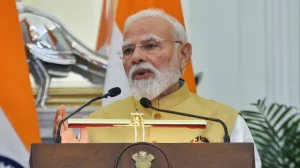
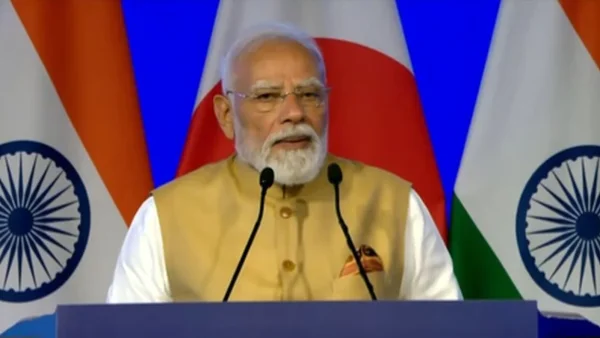
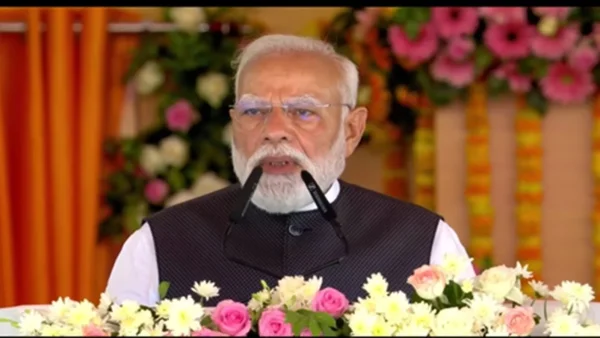
On Sunday in Hyderabad, the Prime Minister said this was a matter of patriotic economics, and called on everyone to work together to save money that would otherwise leave the country. The government hasn’t said it’s doing anything new, but the way the Prime Minister spoke suggests they are preparing for what to do if the crisis gets worse.
Fuel pricing pressure is building
The problem with fuel is easy to see at the gas station. Government-owned oil companies have kept prices the same, but they’re losing more and more money. Industry experts say they lose about 30,000 crore rupees every month while petrol and diesel prices stay where they are, and this increasing difference in cost is becoming harder to ignore as the price of crude oil goes up.
Modi wants people to use less petrol and diesel by using the subway, sharing cars, using electric vehicles and using trains to transport goods. This hints at what will likely happen. If prices have to change, getting people to use less will lessen the impact on families and ease the pressure on the oil industry.
Gold in the crosshairs
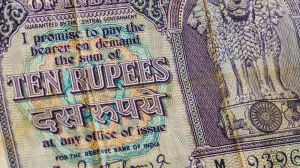
Gold is the other area of concern. India is one of the biggest gold purchasers in the world, and nearly all of that gold is bought with dollars. The Prime Minister’s request to not buy gold for a year is to reduce spending on something people want to buy, when oil is already increasing the total amount of money going out of the country.
Government officials have a simple way to manage gold: taxes. Currently, the tax on importing gold is about 6 percent. Increasing this tax would discourage people from buying gold and reduce the amount coming into the country. Those following government options say the point isn’t to stop people from wanting gold, but to protect the country’s international financial position when things are uncertain.
Forex buffers are strong, but outflows matter
India has a large amount of foreign currency. The Reserve Bank of India’s latest report shows $691.11 billion in reserves as of March 2026, enough to pay for almost 11 months of imports. While this reserve gives the government some flexibility, it doesn’t mean they can ignore the increasing risks.
Gold is now a more important part of these reserves. The Reserve Bank of India said that gold made up 16.7 percent of the reserves at the end of March, up from 13.92 percent in September 2025. They have 880.52 metric tonnes of gold in total, and 680.05 metric tonnes of that is stored in India, after it has been steadily brought back to the country.
Modi also asked people to delay going on trips abroad to save dollars. This has brought the discussion back about making it harder to send money out of the country under the Liberalised Remittance Scheme (where people can send up to $250,000 per year). Experts on government policy say any change to this would be to reduce spending on things that aren’t essential.
The Prime Minister’s asks can be summed up simply:
– Delay gold purchases for one year
– Cut petrol and diesel use wherever possible
– Avoid unnecessary foreign travel for now
Policy watch: what to track now
There haven’t been any official changes to policy yet. However, the rising price of crude oil, the losses being made by fuel retailers, and the appeal to patriotic economics, suggests the government has a plan ready to go if the situation in the Middle East gets more serious. The government might introduce these changes in steps to help people get used to them and manage the country’s international finances.
The main idea is to be able to withstand difficulties. As Modi said, “We must save foreign exchange by any means necessary.” Expect closer attention to gold imports, possible changes to how fuel is priced, and discussions about money being sent to other countries. The goal is to protect the country’s foreign currency reserves first, and then adjust how much is demanded to match the new worldwide situation.