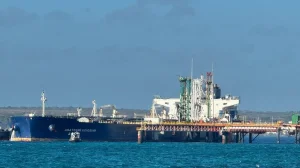
The MT Aqua Titan, an Aframax tanker, had originally been heading somewhere else in Southeast Asia but changed direction and came to India. According to tracking of the ship, it picked up Urals crude oil from a port on the Baltic Sea, then went to New Mangalore, arriving late in the morning and dropping anchor in the Arabian Sea.
MRPL rented the tanker to be sure of having enough crude oil because the oil markets are being disrupted. By accepting the shipment, the oil companies are showing they need to be able to get oil from many places, as the methods of moving oil and the cost of insuring it are changing with the world situation.
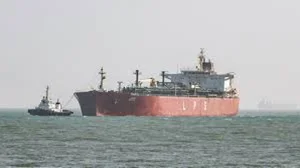
LPG cargo from Texas docks at New Mangalore Port
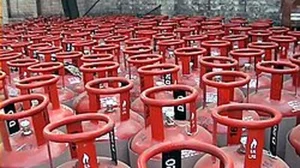
On the very same day, a ship with LPG from Texas arrived at New Mangalore Port. Having both the crude oil and the LPG arrive at the same time shows that the imports are being planned together to build up the fuel and raw materials for people and businesses in India.
Maritime safety and operational updates from authorities
The Ministry of Shipping said that from March 14th to March 31st, they won’t charge the usual fees for oil and LPG at New Mangalore Port. Officials also say Indian ports aren’t crowded, which means the important energy shipments can be unloaded and on their way quickly.
Rajesh Kumar Sinha, a special secretary at the Shipping Ministry, said all 22 Indian ships and 611 sailors in the Persian Gulf are safe and are being watched closely. They haven’t had any problems at sea recently, which makes people feel better about the sailors and the ships.
People running ports and terminals have been told to keep the shipping process running smoothly and to have backup plans. The Prime Minister and various ministers have been looking at how to keep supplies moving without interruption, how much is in stock, and how efficiently it is delivered to make sure there aren’t shortages in India during this time.
Recent ship movements and regional supply changes
Tankers that fly the Indian flag and ships that carry LPG have continued to go through the Strait of Hormuz and get back to ports in India in the last few weeks. The tanker Jag Laadki arrived in Mundra with Murban crude oil, and the MT Shivalik and MT Nanda Devi delivered about 92,712 metric tonnes of LPG, after getting safely through the Strait of Hormuz.
A number of other ships have changed where they are going during their trip to stop at Indian ports, and this is part of a larger change in routes. This shows that oil companies and traders are actively changing how things are moved to make sure refineries and gas networks continue to operate.
Policy shifts and market implications for energy buyers
Because of actions by countries India trades with, some rules that made it harder to buy energy from Russia have been eased, allowing Indian oil companies to get more from other suppliers. People who track business and people in the industry say several shipments of Russian oil have been turned toward India, changing how oil is supplied in the region.
As a result of all this, the actual movement of oil has become more stable, although prices and insurance costs are still going up and down. People in the market and those making government policy are still focused on making the shipping process strong, being able to get insurance, and keeping supplies moving to the businesses and people who use them so they aren’t affected much.