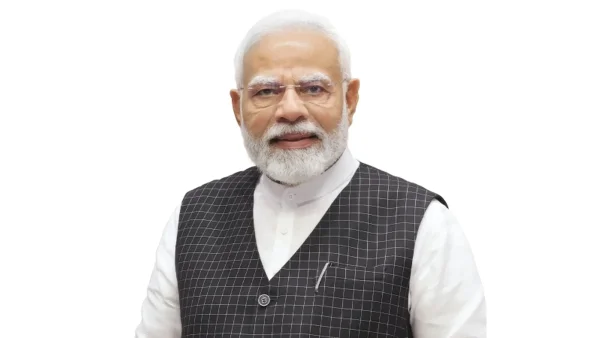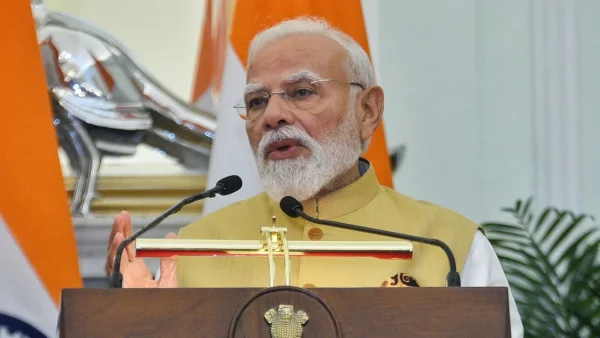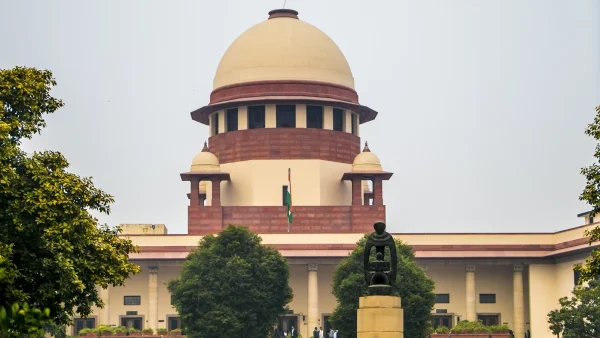
The court dismissed the state’s attempt to appeal, and said the High Court should continue to oversee the project and that the state must follow the court’s orders by a specific date. Chief Justice Surya Kant and Justices Joymalya Bagchi and Vipul M Pancholi said the state has been putting obstacles in the way of the building, and the High Court had been very understanding, but the state isn’t doing what it’s constitutionally required to do. The judges emphasized that improvements to the city shouldn’t be about politics. They called the metro something everyone will use and said officials need to stop slowing things down and do what they are supposed to do, and do it quickly.
What the Supreme Court Said
The state said the “model code of conduct” (rules during elections), exams, and traffic were the reasons for the hold up. The Court didn’t accept this. They pointed out that orders from the end of December 2025 weren’re followed quickly enough, and work could have been done before the exam dates were even set. Justice Bagchi added that the Election Commission wouldn’t complain about a public project that is already underway, particularly one that started before the election rules came into effect. The Court warned against using the upcoming elections or festivals as an excuse to pause this important transport route.
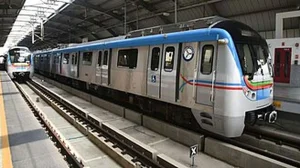
The problem specifically is the Chingrighata crossing on the Eastern Metropolitan Bypass. This is a key point for the Orange line, which is planned to connect the Sector V IT area in Salt Lake with the south of Kolkata, reducing traffic and shortening journeys.
The High Court had told authorities to tell Metro Railway by January 6th about when the road would be closed for three days, and to finish the overhead tracks by February 15th, 2026. They also approved two weekend night closures to put up the supports (piers) at the crossing. Rail Vikas Nigam Ltd (RVNL) and Metro Rail only needed short road closures to work safely at the busy crossing. However, the state asked for until May because of the Assembly elections, access for people going to hospital, and student exams. The Supreme Court said this was being overly difficult. They said the High Court’s order was perfectly reasonable, and warned that any further delays would be looked at very closely. They described the Orange line as something that benefits everyone and is worth the temporary traffic issues from the road closures.
The “model code of conduct” stops new announcements that could influence how people vote. It doesn’t usually stop public building work that’s already being overseen by the court, especially if the dates and plans were made before the election rules started. The Court agrees with this. They said the Election Commission is likely to allow work on the metro to continue, and the state shouldn’t use the election rules as an excuse to stop progress. The state is still responsible for making sure everything is coordinated properly.
The Dispute at Chingrighata and the Project Timeline
The Supreme Court getting involved has a clear effect on how the city can get around. The Orange line will connect places where people work and live, reduce congestion on the EM Bypass and other main roads, and make journeys for people going to work and for emergency services more reliable.
By insisting on a timetable, the Court is making all the different groups involved more responsible. The Calcutta High Court will continue to supervise things, making sure the traffic plans, safety measures, and building times are in the public’s best interest. This isn’t just about Kolkata. Big public projects shouldn’t be stopped by politics, what else is going on in the city, or people being slow to act. When the courts say a deadline, the government has to meet it, but also make sure ambulances, essential services and people going to exams can still get through.
The High Court will continue to supervise and make sure things happen quickly. Authorities have to arrange for two weekend night closures at Chingrighata, work with the police, and ensure ambulances and emergency routes aren’t blocked. A good plan for managing traffic will be essential, with clear diversions, updated signs, and teams ready to deal with problems and medical emergencies. The plan should cause as little trouble as possible for nearby hospitals, while giving the engineers enough time to work safely.
All the different groups involved – RVNL, Metro Rail, Kolkata Police, the city council, and the state transport department – need to regularly update each other and the public. If they don’t follow the rules, they could be punished and the court could get even more involved. People using the metro should expect short, planned closures on weekend nights near Chingrighata while the supports are put in place. During these closures, there will be diversions and slower traffic, but emergency vehicles will still be able to get through. During the day, things shouldn’t be too different if the schedule is kept.
Model Code of Conduct and Development Exemptions
If the deadlines are met, the Orange line will have some important parts built by the start of 2026 and you’ll be able to see the progress. Then there will be test runs and the different systems will be connected. If the schedule is clear, people are kept informed, and there is communication with schools and hospitals, the public will continue to believe in the project.
Implications for Urban Mobility and Governance
The Supreme Court’s decision is very clear: improvements that make life easier for people shouldn’t be used for political advantage. For Kolkata, this means finishing the Orange line without any more delays or excuses, so the city can be safer, journeys can be faster, and people will be more connected.