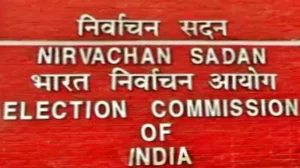
After the EC sent out a letter with the BJP’s Kerala branch stamp on it, a political argument started. The opposition parties said this looked like the EC was favoring the BJP. The EC said it was just a clerical error, and they fixed the mistake quickly.
The issue began when the CPI(M) put a copy of the document on X (formerly Twitter). Attached to a direction from March 19, 2019 was the BJP Kerala stamp, instead of the official EC stamp. This post caused a lot of reaction and made people question if the EC is impartial.
EC cites clerical error after BJP Kerala seal appears on letter
Kerala’s Chief Electoral Officer (CEO) officially admitted the mistake. The CEO’s office explained that the BJP Kerala unit had asked for clarification about the rules from 2019 regarding candidates with a criminal past and why they were chosen. The BJP included a photocopy of the old direction with their stamp on it with their request.
According to the CEO’s office, the staff didn’t realize the BJP stamp was on the copy and accidentally sent that same document to all the other political parties when responding to the BJP’s query. They insist the error was about how it happened, not what the rules actually are, and the mistake was corrected right away.
The Election Commission calls this a simple clerical error, and they’ve asked the public and the news media not to spread incorrect information. They say the election process is still strong and isn’t being influenced by outside forces.
Timeline of the lapse and corrective steps
As the CEO’s office describes it, the BJP in Kerala asked about the 2019 rules, and included a photocopy of the original direction which had their stamp. The office then sent that scanned copy to all the parties when they had the same question.
Officials realized the mistake and took steps to get the incorrect document back. On March 21st, the Deputy Chief Electoral Officer sent a message to all political parties, District Election Officers, and Returning Officers to withdraw the document. They repeated that the rules from 2019 have been updated and the newest instructions had already been sent separately.
The correction explained that the error was in how the document was formatted, and didn’t involve any change to the actual rules or what the Commission believes.
2019 guidelines on criminal antecedents at the core
The core of this problem are the 2019 rules that say parties and candidates must make public details of any criminal records of their members. They must reveal any current cases and convictions, as well as the reasons for choosing a candidate, in the media at certain times during the campaign.
The point of these rules is to help voters be more informed and to make the election more open. The Commission has gradually changed the way these details are shared and how often, and both the public and opposing parties are now looking at whether these rules are being followed.
CPI(M) and Congress reactions sharpen scrutiny
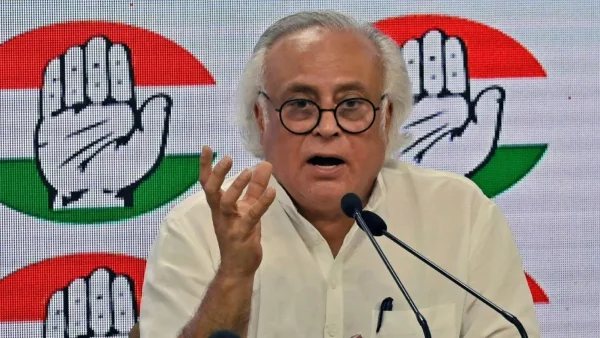
On X, the CPI(M) was the strongest critic, saying that a single powerful force is in control of both the Election Commission and the BJP. They said this incident shows a lack of clear boundaries and mocked the idea of having ‘separate departments’. They compared the stamp issue with past accusations about voting machines, suggesting this mistake is part of a continuing trend.
The CPI(M) said several parties received the letter and at least two of them confirmed they had. They also said the email came from an official source at the Commission. The Congress party in Kerala also spoke up, asking if the Commission is ‘running from the BJP’s office’ and requesting an explanation of how a party stamp ended up on an EC communication.
Both parties wanted to make this about more than just a mistake in procedure. They said it damages people’s trust in the election process. Their reactions show how a small error in the process can become a big deal during a crucial election.
Why the seal mix-up matters for electoral integrity
Even if the EC’s explanation is true, the way it appears is damaging. Elections must obviously seem fair. A document with a party stamp on it, even if it was an accident, fits with existing ideas about political influence over important institutions.
This event also shows how easily documents can be mishandled. If you mix up documents from parties with official communications going out, it can look like something is wrong and cause confusion. In today’s world of digital documents, this kind of problem can be avoided with better controls.
Those in charge of the election can increase public confidence by making their procedures stricter. This includes using standard templates with a clear EC watermark, automatic checks before sending things out, digital signatures, and information embedded in the document (metadata) that shows if a stamp isn’t from the EC. Separating the places where parties send in documents, requiring two people to approve emails going to a lot of people, and regularly checking the system can also reduce errors.
How things are communicated is also important. Making a history of changes to the guidelines available, along with a public log of errors, can clearly show what was sent, when, and by whose authority. This openness can calm down speculation and ensure that discussions are based on facts that can be checked.
What to watch as Kerala heads to polls
Kerala is voting on April 9th in a single day, and the votes will be counted on May 4th. In the next few weeks, parties will probably continue to focus on how the election process is being carried out. We can expect to hear more requests for official, written procedures and more training for election workers.
The EC’s quick withdrawal of the document and explanation might lessen the immediate impact, but the political argument will continue. As the campaign continues, how well the rules about revealing criminal backgrounds of candidates are followed will be closely observed. The more the EC shows they are acting fairly and consistently, the more quickly trust can be restored.
In the end, this is a warning. Small mistakes can quickly become much bigger problems during an election. Having clear systems, communicating consistently, and being clearly accountable are the best ways to make sure everyone is focused on the voters and the issues.