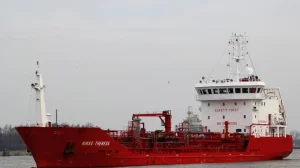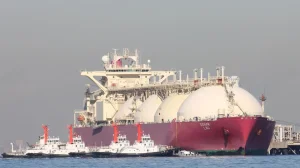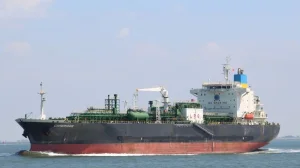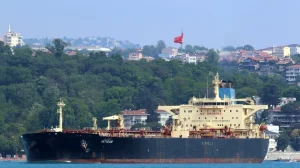
Two more Indian LPG tankers are also planning to go through the Strait of Hormuz, again indicating a very careful return to normal energy shipping from the Persian Gulf to India after the recent problems. According to ship tracking, the Pine Gas and Jag Vasant are travelling together and getting ready to go through the Strait, if conditions are secure enough.
Vessels Pine Gas and Jag Vasant Approach Hormuz
On Monday afternoon, the Pine Gas and Jag Vasant were sailing close to the sea area between Larak and Qeshm islands, which belong to Iran. The route they took suggests they went a little out of their way through this area – where Iranian authorities often check which ship is which – before entering the narrow Strait.
These two ships are part of a group of Indian ships that were stuck in the Persian Gulf because of trouble in the region. Information from tracking shows that both of these tankers could get through Hormuz and head towards ports in India later today, as long as they do the usual checks and the sea traffic allows.
This is happening after weeks of much higher risk in this important waterway which connects Iran and Oman, and through which oil and gas from the Gulf goes to countries all over the world. Even a small improvement in getting ships through is a good sign for India’s LPG supply chain.
Gradual Resumption of Indian Shipping Through the Strait
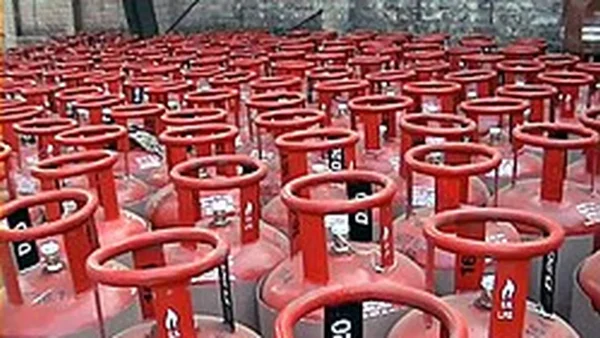
In the last few days, several Indian tankers have gone through this route. MT Shivalik and MT Nanda Devi, both LPG carriers, have arrived in India and delivered about and 92,712 tonnes of LPG – about how much the country uses for cooking in a single day.
The Shivalik reached Mundra, Gujarat on March 16th, and the Nanda Devi reached Kandla on March 17th. Before that, on March 13th, two LPG tankers started their journey and went through Hormuz early on March 14th. This shows that ships can get through if the journey is carefully planned.
Shipments of both crude oil and refined products are starting up again in certain places. The Jag Laadki, an oil tanker with 80,886 tonnes of crude oil from the UAE, got to Mundra on March 18th. The Jag Prakash, carrying gasoline from Oman, has also safely gone through Hormuz and is now on its way to Tanzania.
When the problems began, 28 Indian ships were within the Strait of Hormuz: 24 were to the west of the Strait, and 4 were to the east. More recently, two ships from each of those areas have been able to leave and go to safer waters, but others are still waiting to go. About 611 sailors are currently on ships on the western side.
Verification Route via Larak-Qeshm Channel
Experts in shipping say that Iran seems to be letting some ships through after checking who owns them and what they are carrying. Many ships have taken a short detour through the Larak-Qeshm Channel before going through Hormuz.
This detour acts as a checkpoint to make sure the ship and what it’s carrying match what Iran has said it will allow to pass. Some reports also say that extra fees may be charged in some situations, though not all shipping companies agree this is happening.
But, even with these checks, nearly 500 tankers of all sizes are still stuck in the Persian Gulf, which shows how much of a backlog there is. This includes more than 100 crude oil tankers, and many tankers carrying oil products, chemicals, and other goods.
Energy Security Implications for India
India’s energy system is very easily affected by problems with ships going through Hormuz. The country buys approximately 88% of its crude oil, 50% of its natural gas, and around 60% of its LPG from other places. In the past, over half of India’s crude oil has come from countries in the Gulf, and they all rely on this crucial waterway.
Before the conflict, between 85 and 95 percent of LPG and around 30 percent of gas shipments to India went through the Strait. While India has been getting more crude oil from Russia, West Africa, the United States and Latin America, the amount of LPG and gas going to businesses and factories has been reduced.
For the people who make government energy policies and the energy companies themselves, these recent journeys are important for two reasons: to build up the amount of LPG in storage before demand goes up in the colder months, and to make the cost of shipping and insurance stable. These costs went up a lot because of the increased risk. Each tanker that gets through successfully takes some pressure off the ports and the final delivery of the gas.
What to Watch Next
Important things to watch are whether the Pine Gas and Jag Vasant will get through Hormuz as planned, and how quickly they will be able to unload at ports in India. If more groups of ships are allowed to go through the Larak-Qeshm Channel, that would mean the checking process is going more smoothly.
People in the market will be looking at how much it costs to ship LPG, how much war risk insurance costs, and how busy the ports of Mundra and Kandla are. The safety of the sailors, being able to change the crew, and how long it takes for ships to unload are also top priorities. Shipping companies want to be as fast as possible, but also safe.
Finally, people will be watching how many of the remaining Indian ships – including those carrying LNG, crude oil, chemicals, containers and other goods – will be allowed to go through. If ships are regularly and safely allowed to go through, it will get energy flowing normally again and reduce the problems with supply in the Indian economy.