There is a quiet change happening in hallways and lecture rooms across India: the way we examine is being overhauled. Some educators have put some gamified methods to the test and the reaction from the other side of the desk has been telling. As one put it: ‘It did not feel like a test. I was just solving something.’
And that is no small thing when it comes to keeping students well and in school. For an institution, it is a way to have your rigour without the dread that lingers in too many an exam hall. You have to ask: is it possible to get more out of a student with a different kind of assessment and still hold the line on standards?

From fear to focus
Hear the word ‘exam’ and for most it means hush, being watched, and the prospect of being wrong. Even the top of the class can feel the weight of that judgment after a while.
Educators will point to the research: your head and your heart are in this together. But until now, the way we design our tests has not always made room for that. Gamification is an attempt to put a new face on the challenge.
We are not just having them recite. We let them have at it, make a safe error, and go again. The work is as serious as ever. Only the frame is different – less of a final word and more of a step forward, and you can see it in what they put down on paper.
Inside a gamified assessment
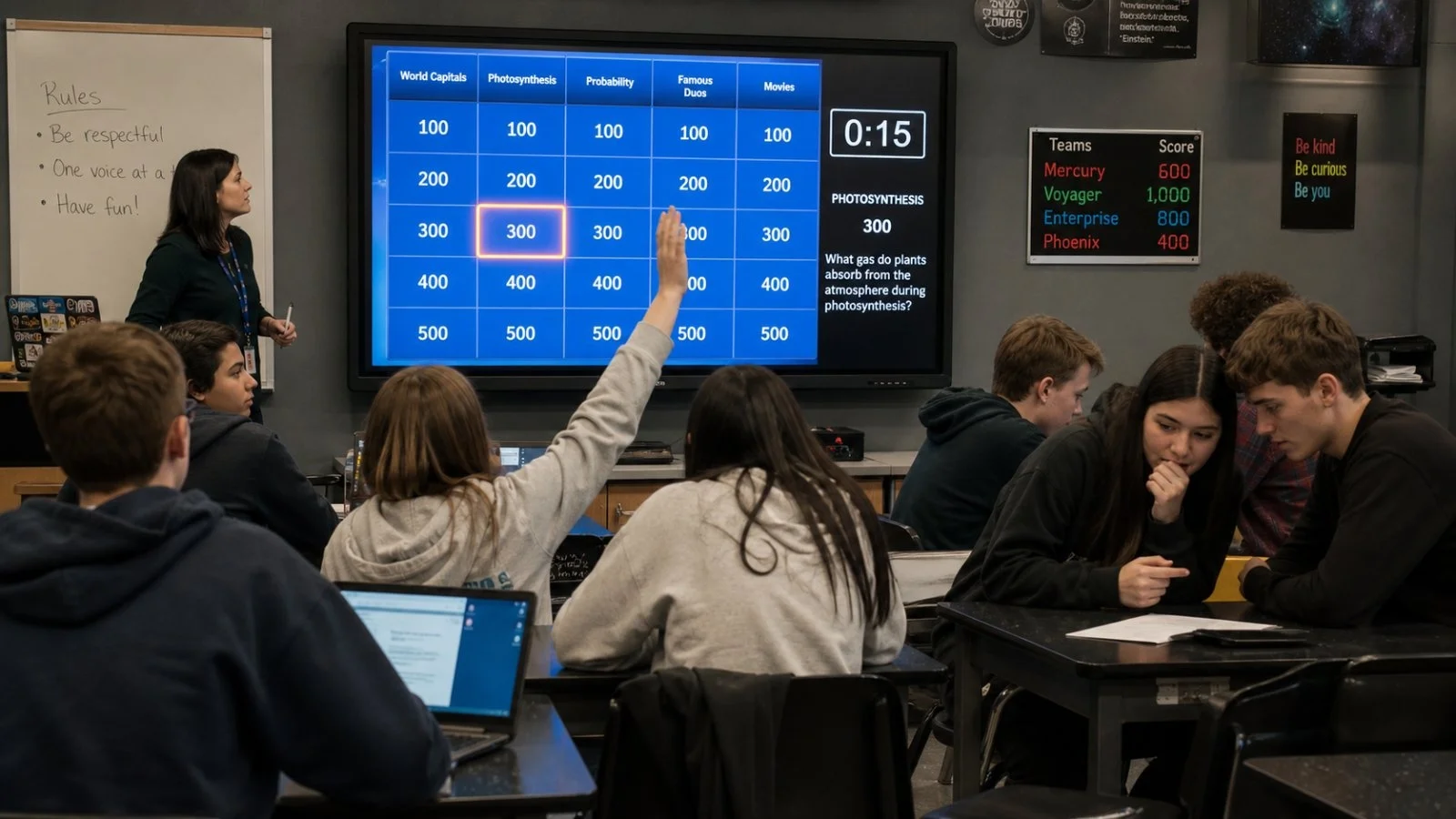
In one room we put a tried-and-true format to use. A bit of Jeopardy-style, if you will, with a host and some teams, all centred on a topic from the syllabus.
Put up a live board with some numbers and a clock to keep things moving. The questions were there for the taking, but only if a team put up a bid. Put in more points and you get to the harder stuff.
Your choices had to count. Get it right and you keep the value; miss and you’re out that much. You got your answer back right then and there. It wasn’t for show, but there was a certain kind of tension to it.
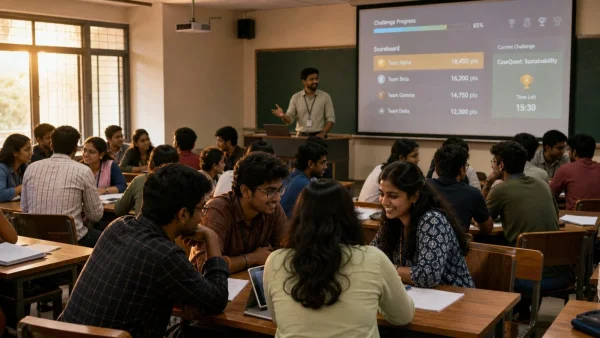
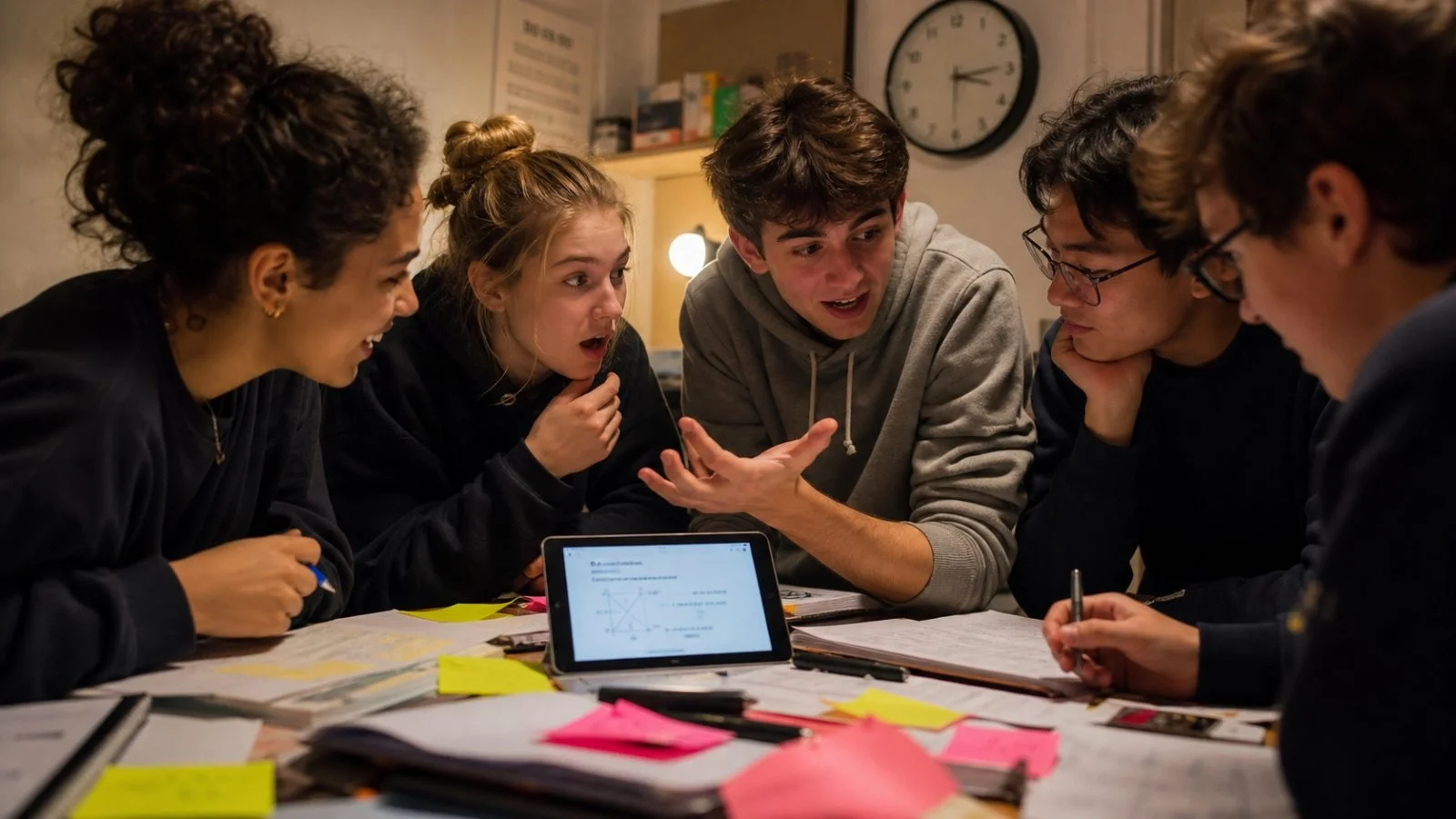
The room didn’t have the air of an exam. They were strategising, talking it out, and checking in with themselves. A few even wanted to run through it again, not for the grade, but to see if they could do it better.
What students did differently
Some of them put away their guard. ‘I was not scared of being wrong for once. I was curious,’ was the note from one. Another said, ‘This was a good way to learn. I had to make connections and be on my feet, not just have it in my head.’
Then there was the value of being set straight in the moment. One comment in particular: ‘When I was wrong, it was corrected then and there. I won’t forget that.’ Afterward, they would be found going over the questions, not just the results.
They’d also lose time, which is a good sign you are in the zone. It was not a walk in the park; we made some of it hard. But in a way that drew you in rather than put you off.
Why this matters for campuses
Don’t mistake this for a case for turning the classroom into a game. What we are doing is using what games are good at: holding a student’s attention, giving you feedback when it counts, and seeing you through.
You can make a mistake here and not be made of it. It is part of the process. People have called it fun or a breath of fresh air because for a change they are treated as a person learning, not a number.
There is some hard science to back up the enthusiasm. If you give a learner a sense of control and purpose, they will rise to it. With a gamified approach, you get a better read on where you stand, what to put in for next, and how to improve.
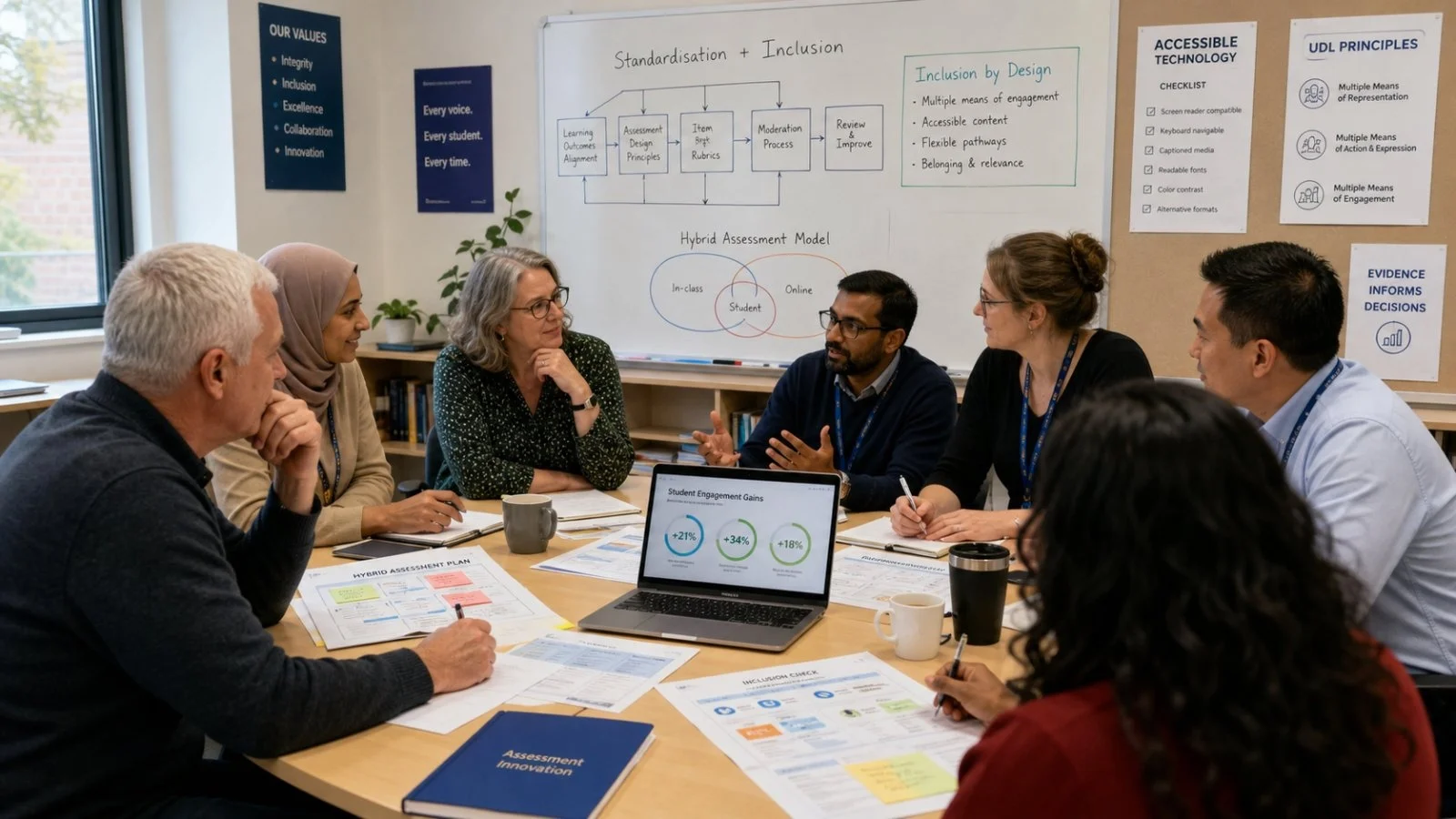
We are seeing hybrid models come into their own as a sensible way forward. An institution can hold the line on standardisation and scale yet put a different spin on the room’s atmosphere. The end goal is the same, but the way you get there is more of an engagement and less of a punishment.
In these kinds of sessions, this is what students have been telling us:
– They’re not as put off by a hard question
– Time-limited feedback has them on their toes
– They’re more inclined to have another go
– You’ll hear them talking through a strategy, not just sitting in silence
Some ground rules
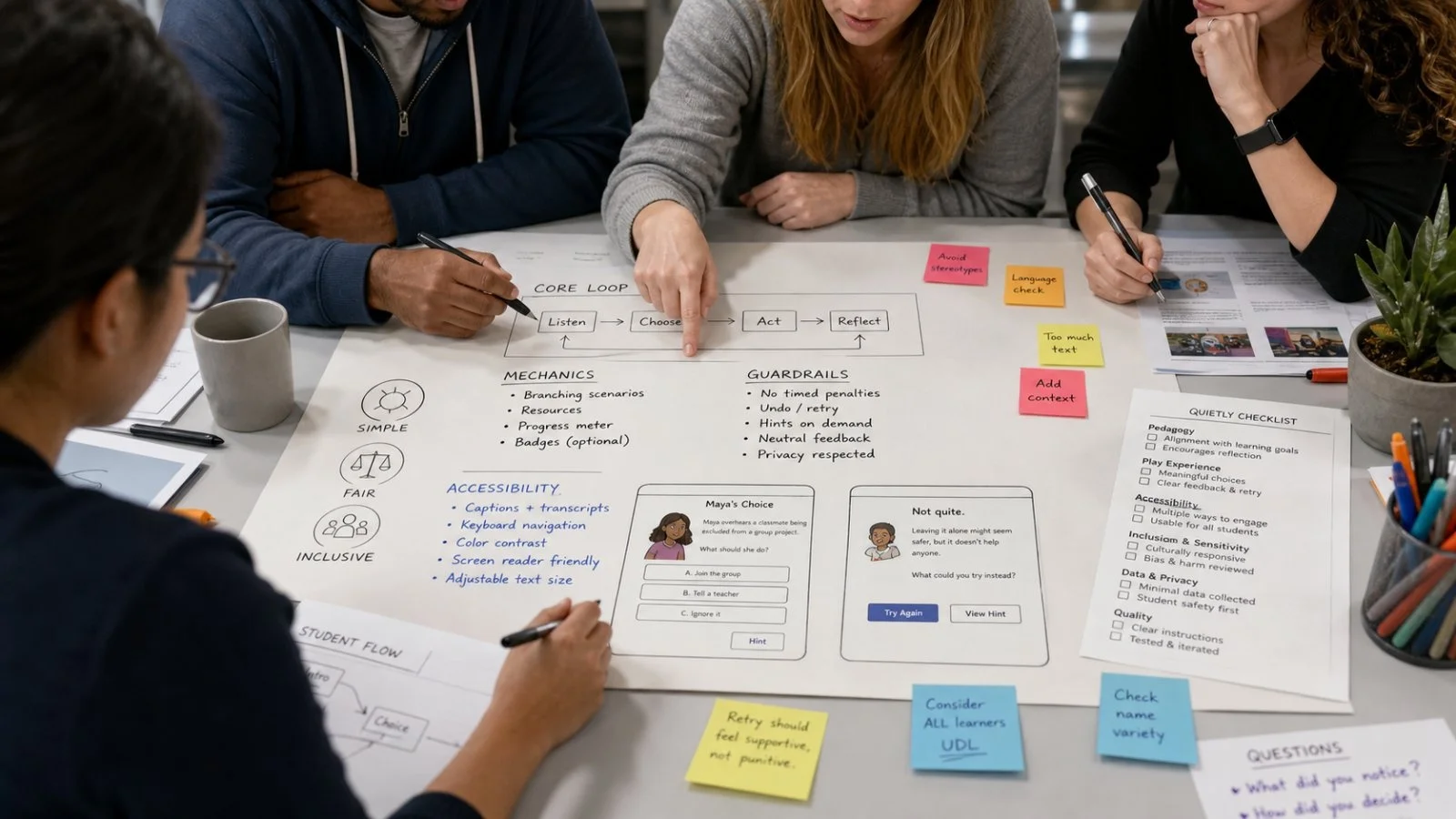
You can’t wing it. To make a gamified assessment work, you need to put in the time and have some pedagogical know-how. Do it wrong and you end up with a gimmick that gets in the way.
Then there is the matter of access. Not every classroom is set up for it. If you have a mixed bag of needs, the mechanics have to be straightforward and above board.
And we still have some research to do. Educators want to see if this kind of thing holds up over the long haul. It’s one thing to have fun; the real question is whether it leads to a deeper grasp of the material.
There has to be choice. Some will stick with the old ways. Others might find the game part a bit much. That’s fine. One size doesn’t fit all.
For an institution thinking of running a pilot, you can keep it to the basics:
– Make sure the outcomes are no different from the exam
– Be upfront with the rules so progress is plain to see
– Give them some immediate, corrective input
– Let them retry without any hard feelings
– Pay attention to how they’re engaging, not the number on the page
One session in particular
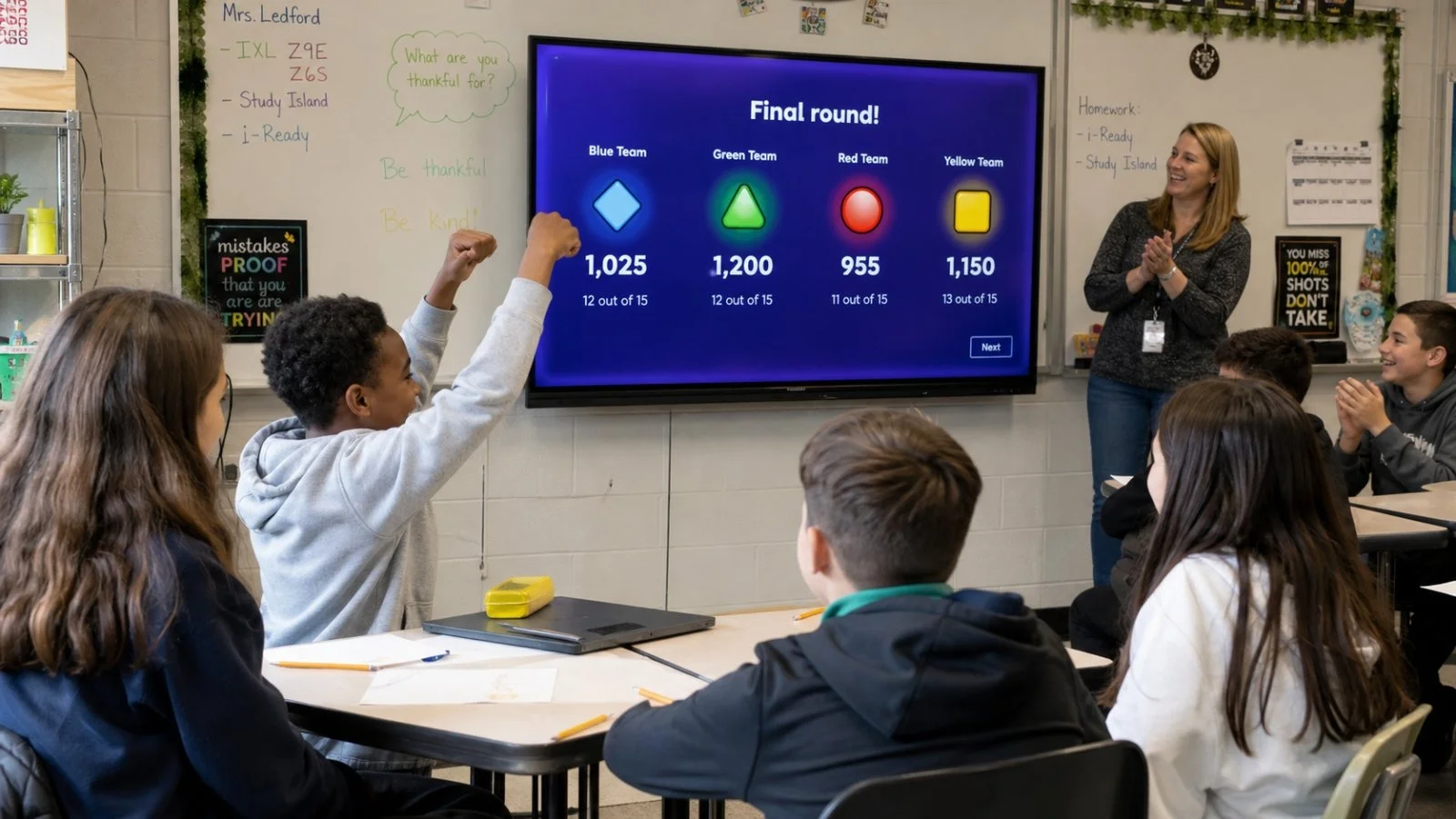
The one that made an impression was uncluttered. A screen with the topics and the points. Teams would put in a bid to open up a question and the next level would come into view. The timer and the board were there, but in the background.
It was enough to be on edge, but not to be cowed. Make the call and you got the value; miss and it was taken back. It was a match of wits. I saw some of them quite taken aback by how much they were into the process of working through a tough problem.
Rigour, minus the anxiety
You don’t need a graph to see the point. The students put it best: they wanted to talk about how to handle a question, they appreciated being put right on the spot, and they were keen to try once more.
We didn’t let our standards slide. We just put a new face on them. When you take the fear out of the equation, you can see what they actually know.
Now, it’s not a panacea and shouldn’t be used to throw out every other form of testing. But in between, it has its place.
Looking ahead
We are moving toward some more methodical studies. The educators want to know if the understanding sticks-can they transfer it? Are they more confident?
That takes some backing from the top. It is not easy to put together and requires the right tools and training. Otherwise, you’re just making noise.
But the best way to put it is in the words of a student after a session we ran on June 14, 2026: “I did not feel like I was being tested. I felt like I was learning.”
If you can do that and still keep your standards, you have a hard case for rethinking the way we assess.