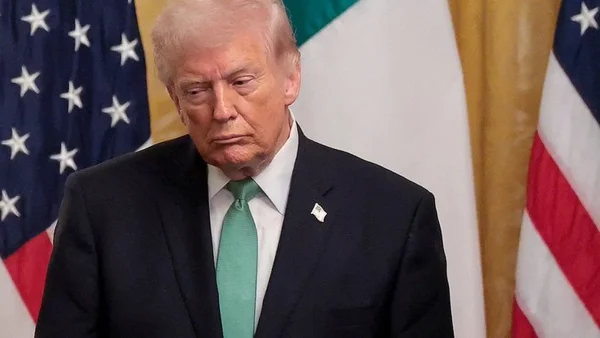
As the partial shutdown went into its t6th day, Donald Trump said on social media he would send ‘brilliant and patriotic ICE Agents’ to airports to provide security unlike anything before. This statement immediately caused both operational and political issues to be raised.
Shutdown effects on airport security and TSA staff
Because of the partial government shutdown, TSA (Transportation Security Administration) employees are missing paychecks and are struggling financially. In fact, TSA staff were about to miss a second full paycheck, and many are getting temporary jobs like delivering food, or driving for rideshare companies to pay their bills.
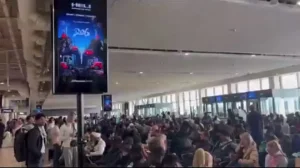
Major airports have had delays and travel problems because of the lack of staff. Security at airports is being pressured by people not showing up for work and low morale, and passengers are dealing with longer lines, and unpredictable security checks because of the lack of money.
President’s public remarks and emphasis on immigration enforcement
In his message, Trump specifically mentioned immigrants from Somalia and criticized local government officials, claiming some allowed people in who were approved by what he called dishonest state leaders. He also said ICE would focus on arresting ‘illegal immigrants’, and specifically people from certain countries.
Trump also presented this move as a reaction to Democrats in Congress who have refused to approve money for the Department of Homeland Security. He directly tied airport safety to the bigger disagreement over the budget, and insisted that Congress act immediately.
Past use of ICE resources at airports and legal limits
In the past, ICE has worked with airport security to arrest people who already have orders to be deported. However, these actions have historically been about arresting specific people, not doing the general security screening that TSA personnel usually handle.
From a practical standpoint, having ICE do standard security screening would cause legal and logistical difficulties. ICE agents have the power to enforce immigration laws, but they don’t have the same training or goals as TSA screeners. Any change in their jobs would need to be arranged within the Department of Homeland Security and would probably be looked at by the courts and Congress.
Political context and reactions to recent enforcement controversies
This threat to use ICE comes after a lot of criticism of federal immigration enforcement, following two deaths in Minneapolis. Those incidents led to requests for changes in how immigration laws are enforced and closer Congressional examination of what the Department of Homeland Security is doing.
Because of the criticism, the administration has moved some people into different positions and changed the way enforcement is shown to the public. Congress Democrats have said they won’t approve funding for DHS unless there are changes and more accountability, which has led to the current problem with airport operations.
Private offers and immediate remedies amid the standoff
With the funding stalled, individuals with money have publicly offered help. A tech company leader offered to pay TSA workers’ salaries during the shutdown on a social media platform, which shows how critical and public the problem with airline security workers is.
Quick fixes, like donations from people or temporary reassignment of employees, might help in certain areas, but they don’t solve the main problem with the government’s policies. Congress and the departments in charge of national security are ultimately responsible for providing full funding and clearly defining what is expected of them.
Policy implications and next steps for lawmakers and agencies
If ICE were to be sent to airports, Congress and the courts would likely have a major say in deciding if this is allowed and how far it can go. Lawmakers will have to consider how badly airport staffing needs to be fixed right now, alongside the wider need for changes and oversight of immigration enforcement.
The quickest way to end these problems is for Congress to pass a law providing money for DHS and any related policies. Until lawmakers reach an agreement, airport operations and TSA employees will continue to be most affected by a shutdown that combines issues about the budget, security, and immigration.
In the near future, travelers should expect continued delays and uncertainty as agencies deal with a lack of staff. In the long run, this situation demonstrates how fights over the budget can affect the security we receive daily, and change the conversations around what immigration enforcement should do to keep the public safe.