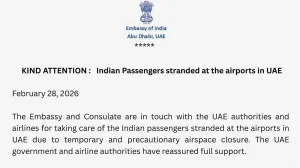
India is temporarily helping foreigners who are in the country and whose flights are being cancelled or changed because of the rising tensions in Western Asia. The Indian consulate in Dubai said on X (formerly Twitter) that Indian visas and e-visas that are about to expire will be extended for 30 days at no cost and penalties for overstaying because of this situation will be cancelled.
Details of India’s temporary immigration measures
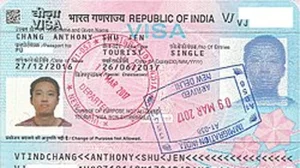
Each FRRO will decide on these extensions as each situation is different. Officials have said that all standard visas and e-visas nearing their expiration date will be extended for free to people from countries affected while it is unsafe or flights are stopped.
Officials also stated that people will be issued permission to leave the country without a fee when flights start running again. Foreigners whose flights are being sent to India due to the closure of airspace in Western Asia will be given a Temporary Landing Permit (TLP) for free.
Waiver of overstay penalties and legal protections
The government has made it clear that if people have to stay longer than their visa allows because of the situation in Western Asia, they won’t be fined, and this applies to anything after February 28, 2026. The government understands this is an unusual situation. Authorities have also said that not requesting an extension or permission to leave during this time will not be considered a problem with immigration law.
This change in the rules is to protect both travelers and the people in India who are hosting them, from accidentally breaking immigration laws while the conflict is impacting airlines. It also means people who are stuck because of things they have no control over won’t lose money.
Parallel relief in the UAE and regional response
The United Arab Emirates is offering the same type of help, a 30-day extension on visas and a removal of overstay charges for people who can’t leave because of the airspace issues. In the UAE, this applies to those with visitor and tourist visas, people with permission to depart, and some with cancelled residency permits.
In the UAE, people who are affected can check their visa information or apply for an extension on the website or mobile app for the General Directorate of Residency and Foreigners Affairs (GDRFA). For those needing face-to-face help, Amer Centres or Customer Happiness Centres locally can provide assistance.
Operational impact on travellers and airlines
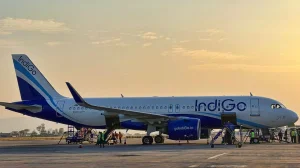
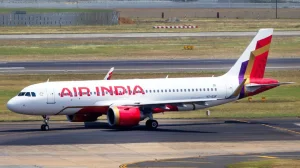
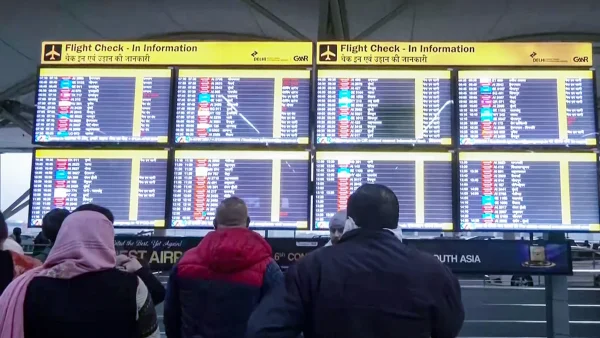
Flights are being diverted or cancelled over parts of the Gulf because of the worsening tensions in Western Asia, and this is causing issues for both passengers and goods. These rerouted flights and closed routes are increasing delays, how often flight crews can work, and the costs for airlines and airports.
The immigration changes are to quickly lessen the stress on people who are stranded and on the airline industry, by providing short-term, predictable solutions. Free exit permits and TLPs mean people will be able to leave safely when the routes are open again.
Practical steps for affected travellers
If you are stranded, contact the closest FRRO, consulate, or immigration office quickly and have both electronic and paper copies of your passport information and visa details. If you have them, bring proof of your onward travel plans or notification that your flight was changed; these will help the process go faster.
Keep up to date with what is happening by looking at official sources and use the GDRFA or FRRO websites for submitting applications. Keep receipts for anything you spend, let your country’s embassy or consulate know what’s happening to you, and read the details of your travel insurance to see if it will cover delays and extra expenses.
These steps don’t remove the uncertainty of the situation, but they do provide actual help while the problems in the region continue. Authorities want people who are affected to stay informed, do what officials say, and make plans to leave once regular flights are available again.