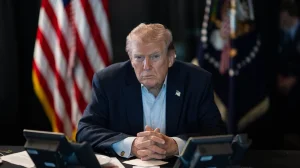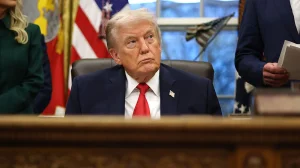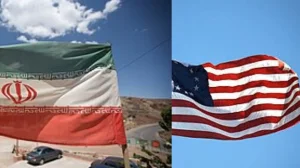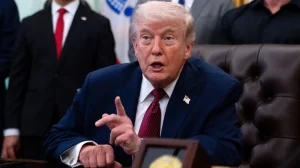
President Trump has told people he works with and knows that he wants the war with Iran to be over in weeks, as if this is the last stage of the fighting, even though talks with Iran aren’t going very well and there are still risks from using the military. He’s in a hurry because he wants to reduce the political impact here in the United States and to make sure energy markets don’t get too upset, and all of this is happening with a lot of important diplomatic meetings coming up.
After almost a month of fighting, Trump has repeatedly asked advisors to aim for a final plan within four to six weeks. White House plans are based on this timeframe, and that Beijing summit with Xi Jinping in mid-May is seen as a deadline to have something in place.
Domestic Politics: War, Economy, and the Midterm Clock
The President has said privately that the war is getting in the way of other things he wants to do. When he’s talked to his political supporters, the conversation has turned to strategy for the elections, plans for controlling immigration, and changes to the rules about who is allowed to vote in Congress. His advisors are also telling him to deal with the increasing cost of living, which has gotten worse because of the war.
Some of his allies want the United States to change its overall approach to foreign policy once a ceasefire is in effect, and specifically to be tougher on Cuba. However, the economic experts at the White House say the opposite: Trump should concentrate on problems within the country, calm down the price of energy, and focus on how much things cost families. A top advisor says the President is doing many things at once and is very focused on reaching his military goals, but that in the end, he wants to win.
Diplomatic Channels Under Strain
American officials have given a 15-point plan for a ceasefire to Iran, sending it through Pakistan. They are looking for a way to reopen the Strait of Hormuz (a vital waterway) and lessen tension in the region. Trump believes Iran wants an agreement, but doesn’t want to appear willing to compromise publicly.
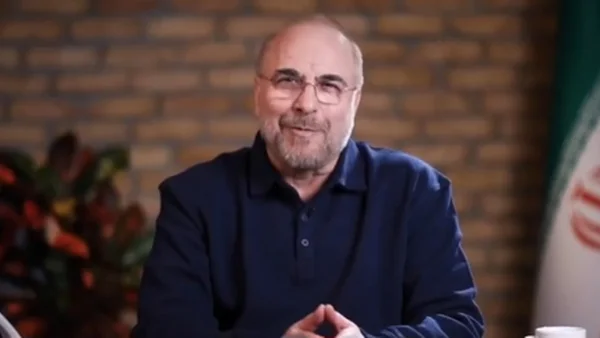
However, Iran’s main diplomat says Iran hasn't started talks and doesn’t plan to have official negotiations. He says messages sent through other countries aren’t the same as negotiating. This difference in what each side says shows the main problem: informal discussions are happening, but neither the US nor Iran has promised to bargain openly with each other.
Military Posture and Risks of Escalation
Within his own government, Trump keeps switching between suggesting ways for Iran to end the conflict peacefully and threatening to attack Iran more strongly. He recently decided not to attack Iran’s power plants (he had threatened to do so), but also warned Iran that things will get much worse for them if they don’t accept a deal. People close to Trump say he does this a lot, and that his decisions could go either way – he might increase the pressure on Iran, or he might agree to a temporary stop to the fighting.
Strait of Hormuz Becomes Economic Pressure Point
Iran is now firmly in control of the Strait of Hormuz, which is where about 20% of the world’s oil and gas goes through. Shipping companies say Iran is, in effect, charging a fee to get through the strait, and some ships are supposedly paying this fee in Chinese yuan. Ships with connections to the United States or Israel are being watched very closely or are being delayed.
Iranian politicians have said they intend to make these fees official. One politician said Iran provides security for the waterway and therefore has the right to charge ships and tankers. Even just checking ships, though, creates problems for getting oil delivered, which raises insurance rates for shipping, adds to the cost of changing routes, and causes the price of oil to go up and down more.
For the White House, getting the Strait of Hormuz open again is the most important part of any ceasefire. If it remains blocked for a long time, it will continue to cause problems for the energy market, make it harder for the US and its allies to move supplies, and keep prices high, which will hurt people’s budgets. A lasting agreement will likely need to have clear rules for ships passing through, have another party watching to make sure the rules are followed, and a quick way to solve disagreements so shipping companies will be confident. The Pentagon is quickly developing options for the President, including sending more soldiers to the Middle East and quickly attacking places in Iran or on islands near Iran. Officials say President Trump would authorize actions within Iran itself, but he’s hesitant, because he’s worried about Americans being killed, the mission growing to be a lot bigger than planned, and the fighting lasting even longer. So far, almost 300 Americans have been injured and 13 have been killed, and this is affecting how decisions are made, especially as advisors argue about whether to push harder, or keep things at their current level. Some want a much larger campaign with the goal of removing the current Iranian leaders, while others believe stepping up the conflict quickly could cause a lot of problems throughout the region and a longer war.
The area where fighting is happening is getting larger. Israel is continuing to attack facilities in Iran, and in response, Gulf countries like Saudi Arabia, the United Arab Emirates, and Bahrain have been attacked. Even if Washington and Tehran reach an agreement to stop fighting, the independent actions of countries in the region could make things more complicated and continue the instability.
The political situation is obvious. Republicans are going to have a tough time in the upcoming elections, and continued high prices are a disadvantage. Every increase in the price of gasoline affects how people vote. Advisors close to President Trump want him to reduce the negative impact of the war on the economy and be able to say he quickly reached a good outcome.
Trump has said the war is a short-term operation and has suggested it’s almost over. He has privately expressed annoyance that it’s taking his attention away from what he’d prefer to work on at home and what he wants to say during his campaign. He’s continued to raise money for his party and strengthen the party, while appearing confident about how the conflict is going.
What an Endgame Could Require
However, the longer the war goes on, the more it interferes with the administration’s plans for laws and the party’s message for the midterm elections. This conflict explains the goal of four to six weeks: quick enough to lessen the economic damage, but long enough to get real benefits that can be presented as a win. reopening the Strait of Hormuz with ways to check it, set prices, or hold money in escrow to prevent cheating and increase trust would be key to any workable ceasefire. Also needed are clear rules for looking at ships at sea, alongside a neutral way to solve disagreements quickly and publicly.
Third, there need to be ways for the US, Iran, Israel, and the Gulf states to avoid fighting each other, and preferably with a third party helping to prevent mistakes. Fourth, there should be steps taken to reduce the immediate fighting, like keeping ships a distance from each other and agreeing not to attack each other’s most important energy facilities.
Trump has suggested certain things to use as negotiating points, including linking an agreement to access to energy. There isn’t formal planning around this kind of deal, but discussions about selling oil, how payments are made, or holding money in escrow often come up when talking about sanctions. The main problem is timing: who should do what, and how fast.
The White House still hopes to show improvement in the next few weeks, and the meeting in Beijing is meant to be a visible sign of that. But Iran’s public statements, the pressure they are putting on the Strait of Hormuz, and the back-and-forth attacks in the region are keeping the amount of time available very short. Without direct conversations or a major secret understanding, the planned timeline may not match what actually happens.
The markets will be looking at information about ships, insurance rates, and lines of tankers near Hormuz for the first indications that things are improving. In terms of diplomacy, any mention of confirmed ways for ships to pass safely or third-party people watching would indicate progress. From a military standpoint, fewer attacks and a stop to sending in new troops would mean things are calming down.
Trump is hoping that a limited set of goals with a specific timeframe can lead to a ceasefire quickly enough to stop prices from rising and allow him to return to his main priorities. The danger is that because positions are so firm, allies are acting on their own, or a single error at sea, weeks could turn into months. For now, time is running out, both in the fighting and in politics.