The trouble in Western Asia, and the recent blockage of the Hormuz Strait, are causing oil and gas prices all over the world to go up and down. Russia has offered to increase the amount of crude oil and LNG it sends to India, leading to high-level meetings in New Delhi. The big question is whether Russia’s efforts can consistently protect India from problems caused by Iran in the future.
Russia’s Offer and High-Level Engagements
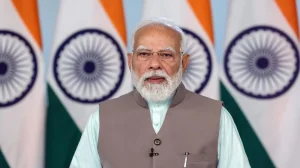
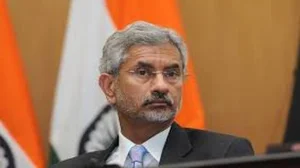
Denis Manturov, Russia’s First Deputy Prime Minister, had a number of important meetings in New Delhi. He spoke with the national security advisor, the foreign minister, the finance minister, and also met with the prime minister. This showed that a major focus of the discussions was working together on energy.
According to a statement released by the Russians, companies in Russia can steadily increase the amount of oil and LNG they deliver to India. They also mentioned that fertilizer shipments are progressing, and expressed a willingness to expand cooperation on civil nuclear power, and in other important areas.
Impact of the Hormuz Blockade on Markets
The Strait of Hormuz connects the Persian Gulf with the Gulf of Oman and carries about 20% of the world’s oil and LNG. Iran’s Islamic Revolutionary Guard Corps’s almost complete blockade has caused significant and sudden price changes, and has interrupted shipping, decreasing confidence in the market and increasing shipping and insurance costs.
The amount of shipping going through the strait has dropped, and the market is strongly reacting to the possibility of a long-lasting interruption. People who trade and make policy now have to consider much greater risks, as insurance companies are raising their prices and ships are looking for different, longer routes.
India’s Diversification of Energy Supplies
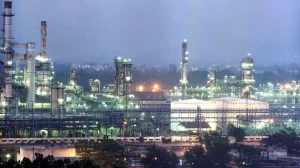
India has already gotten energy from more sources to depend less on the Strait of Hormuz. It now gets oil and gas from around 40 countries in Africa, the Americas, the Middle East, and Asia, and has been actively looking for alternate sea routes and pipelines.
These varied sources of supply and different ways of getting them to India helped the country avoid a serious energy shortage after the blockade. New Delhi is continuing to look at multiple options for getting energy to deal with short-term problems and secure energy for the long term.
Broader Economic and Strategic Dimensions of India-Russia Ties
In addition to oil and gas, India and Russia discussed trade, technology, essential minerals, ways to connect the two countries, and travel. The group of government representatives discussed specific actions to increase trade between the two countries and keep the economies linked during the current global instability.
Russia said fertilizer shipments will be up 40% by the end of 2025, and mentioned opportunities for working together on civil nuclear power. Both countries repeated that they want to make the economic relationship stronger and create good conditions for even more trade.
Assessing Whether Russian Supplies Can Act as a Shield
Simply having the ability to provide supplies isn’t enough to guarantee protection. There are real-world limitations including shipping, how much cargo ports can handle, insurance, and the time it takes to actually get more supplies coming regularly. How payments are made and the details of the contracts will also affect how quickly supplies reach India.
Russia can lessen the quick changes in price by sending more oil and providing long-term contracts for LNG or crude oil, but it can’t get rid of the political risks. How prices change in other places, the cost of rerouting, and the general feeling of the market will all still affect the price of energy in India and whether the supply is safe.
To create lasting security, India will need a multi-faceted plan: long-term contracts with a variety of suppliers, increased strategic petroleum reserves (stores of oil), the ability to buy LNG on the spot market or in longer-term contracts, and investment in renewable energy and essential minerals. Also, keeping the sea lanes secure and continuing diplomatic talks will remain important for handling future disruptions.