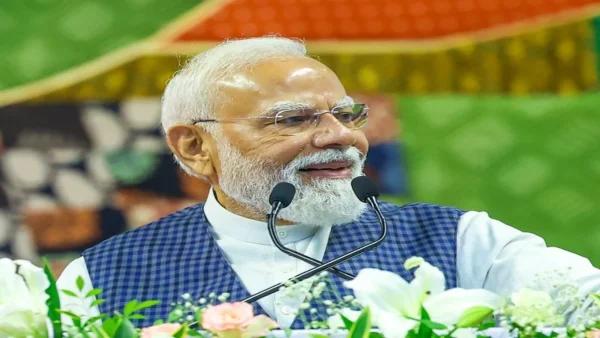
Narendra Modi has put India right in the middle of West Asia’s diplomatic scene with this conversation. Tensions are up, and so are the risks for our nationals. The message from the top was one of de-escalation and a no-nonsense stance on Kuwait’s sovereignty. In short, it’s about two things: keeping the peace and looking after the sizeable Indian diaspora in Kuwait.
Why the call matters
This isn’t just talk between chancelleries; there are real security worries on the ground. You have the 3 June incident at the Kuwait International Airport, for instance, part of a wider ratcheting up of hostilities with Israel and Iran in the mix.
Then there was the loss of an Indian in late March when Iranian forces hit a desalination plant. After that kind of shock, the welfare of Indians overseas is front and centre for the government.
Key takeaways from the conversation
The PMO put it in a statement: Mr Modi and His Highness Sheikh Meshal Al-Ahmad Al-Jaber Al Sabah had a frank exchange on how the security picture in West Asia is changing. The Prime Minister made it clear he was concerned by the escalation and stood firm in denouncing any move against Kuwait’s territorial integrity.
He also put in a word of thanks to the Amir for his hands-on approach to the well-being of the Indian community. It’s in line with how New Delhi has been operating – some hard-nosed strategy, but with a watchful eye on consular matters.
In a nutshell, here is where we stand:
– A straight-out condemnation of the attacks on Kuwait
– An exhortation to de-escalate and use diplomacy
– Thanks for the protection of our citizens
Tense regional backdrop
It’s a time when power plays are putting a strain on already thin security lines. The PMO has been at pains to say India is for peace and dialogue, not force.
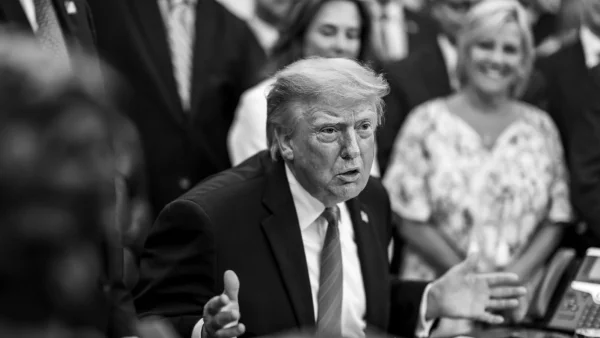
You have the Americans ratcheting up the heat on Iran over the sea lanes. The US President has been quoted as saying the naval cordon on the Strait of Hormuz ‘will be strictly in place until we have a done deal with Tehran’.
He let reporters know they might have some answers in a couple of days. “We’re in the final throes of a very good deal,” he said, “one that won’t allow for nuclear weapons in any form. The Strait will open up the moment we sign.”
His words were unambiguous: “no oil, no income, no nothing” gets through that corridor until then. They may be coming from outside the India-Kuwait orbit, but they set the scene for how other states in the region are sizing up their options.
The road ahead
India’s line is simple: cool things down, leave the lines of communication open, and put civilians first. The PMO had Mr Modi reiterate the case for de-escalation, much like he has in his recent forays across West Asia.
Where we go from here depends on the moves being made in the Gulf and how the big powers interact. For us, the objective is plain: don’t let it get worse and make sure the large Indian community in Kuwait is secure.