Eleven Indian people have been charged in America after the federal government said they carried out planned armed robberies at small shops to make untrue reports of being victims and to get immigration help. The people bringing the charges say the plan was to make the papers needed for U Visa requests, which is immigration help for crime victims who help police.
What the Claims Are About
Federal prosecutors claim there was a plan to pretend to do armed robberies in a number of states, including Massachusetts, Kentucky, Ohio and Missouri. Police say the events were put on so shop workers could say they were victims of violent crime when asking for immigration benefits.
The people accused are Jitendrakumar Patel, Maheshkumar Patel, Sanjaykumar Patel, Dipikaben Patel, Rameshbhai Patel, Amitabahen Patel, Ronakkumar Patel, Sangitaben Patel, Minkesh Patel, Sonal Patel and Mitul Patel. Police say one person who organised things, called Rambhai Patel, had been found guilty and given a sentence for similar actions before.
What a U Visa Is and Who Can Get One
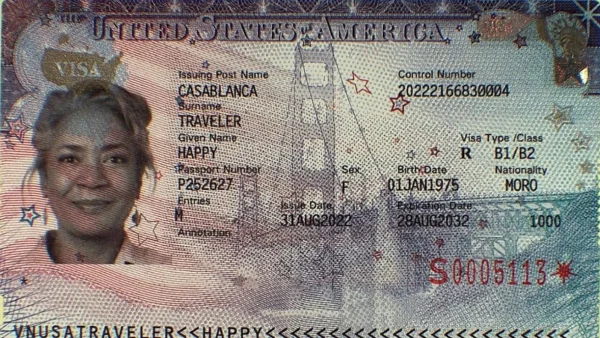
A U Visa is a visa for people who aren’t immigrants, created to protect people who have been victims of some crimes and have suffered mental or physical harm, and who help the police. The idea of the visa is to get people to work with investigations without making victims pick between staying quiet and being sent out of the country.
People who get U Visa status can stay in the United States for as long as four years and can ask to change to being a lawful permanent resident after they have met certain conditions, including always being in the country and helping the authorities. The process needs police to say that the person asking for the visa was helpful in an investigation or a court case.
How the Plan Was Supposed to Work
According to the papers that have been filed in court, people in the plan did robberies in small shops and fast food places to get video, what people saw and late police reports. Someone working with the group would go in pretending to have a gun, take money and run away while cameras recorded it.
Police say shop workers or owners then waited to call the police and later showed themselves as victims of crime. The person who was said to be in charge of the plan reportedly paid people and got businesses to take part, making the look of real violent events to support U Visa requests.
Charges, Punishments and Ongoing Checks
The accused people are charged with planning to commit visa fraud and crimes connected to it. If they are found guilty, they could get up to five years in prison, terms of being watched when they are let out and fines up to $250,000. One of the accused, Dipikaben Patel, was said to have been sent back to India.
Some of the accused have been arrested and let out while they wait for court dates in federal court. Police are still looking into how big the plan was and if more people or events were involved.
What This Means for Immigration Rules and the Police
Claims of people pretending to be victims can lower the public’s trust in plans made to protect real crime victims. Police and immigration services depend on people being truthfully helpful to investigate crimes and to give lawful help to people who need it.
The case shows the need for careful checking and clear rules to find fraud without putting off real applicants. Police may increase how closely they look at papers that support applications and how they give permission to balance stopping fraud with protecting real victims.
The charges also show wider questions about how immigration benefits work with criminal investigations. People who make rules and services have to keep the truthfulness of visas that are for victims while making sure there is access and fairness for people who are in danger.