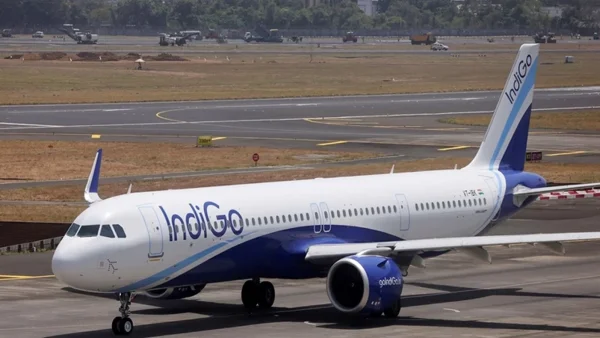
When you book IndiGo flights from now on, they’ll be a bit more costly, as the airline is putting a fuel charge on each part of your journey with a new booking. This is a direct result of aviation turbine fuel – ATF – costs going up sharply, after the latest world political problems upset oil supplies. People buying tickets will find the extra charge is added to their total, automatically, when they pay.
Why IndiGo is adding a fuel charge
IndiGo said jet fuel prices have gone up a lot, very quickly, and that’s really increased how much it costs to operate. ATF is usually nearly 40 percent of what it costs an airline to run, so an 85 percent increase in fuel costs in the region is putting a lot of strain on profits. The airline chose to add a small charge for each part of the trip, instead of a big increase in the basic ticket price, to avoid making things as bad as possible for passengers.
The airline described the fuel charge as a short-term and carefully judged step. It said the charge would help keep flights able to make money, while still keeping the network of routes going, and flights happening as often as they do. The company also promised to watch fuel markets and change the charge as things change.
How much the fuel surcharge adds to fares
IndiGo has brought in a system of charges depending on the route and distance. The fees are for each part of the journey and will be in the price of the ticket for all bookings made from 00:01 on March 14, 2026. The idea is to get back some of the extra costs, without completely resetting all ticket prices.
Regional breakdown of the added fee
Domestic India: Rs 425 per sector.
Indian subcontinent: Rs 425 per sector.
Middle East: Rs 900 per sector.
Southeast Asia and China: Rs 1,800 per sector.
Africa and West Asia: Rs 1,800 per sector.
Europe: Rs 2,300 per sector.
These increases will affect the longest international journeys the most, and will push up the price of return tickets on some routes quite a lot. Even for short flights inside India, the extra charge might change how good value the flight seems to be for people travelling for pleasure, or for work.
What this means for travelers and routes
Passengers should expect to pay more when they book, and may find new ways to save money appearing. People who book in advance, compare airlines, or are flexible about dates may be able to lessen the effect. Frequent flyers who have credits, vouchers, or discounts from their company will also be affected – though loyalty schemes might make it less bad.
Some routes which don’t make much money could have their schedules changed if they become less able to make money. What airlines do to pass on fuel costs to passengers is often a sign that they might change how much space there is on flights, airlines might work together, or networks might be temporarily reduced when prices stay high.
Industry context and outlook for fares
This decision follows similar steps by other airlines, who have put in, or increased, fuel charges because of the same pressure in the market. Experts point to shipping routes being upset, supplies being limited, and political risks in the main oil-producing areas as reasons for continued changes in prices. If crude oil and jet fuel stay high, airlines might keep the charges, raise basic ticket prices, or reduce how much space there is on flights.
What governments do could affect what happens. Airlines have for a long time asked for help with fuel taxes and charges in some areas, saying that the tax system makes the effect of crude oil price rises worse. Unless they get such help, airlines will use ways of setting prices which change with conditions to protect their money flow.
Useful tips for people who travel include booking early, checking other airports, and putting the level of the charge into the total cost of your trip. For the near future, expect booking costs to be higher on many international routes, while airlines try to balance being able to be afforded, and being financially stable.