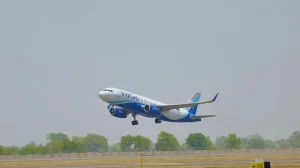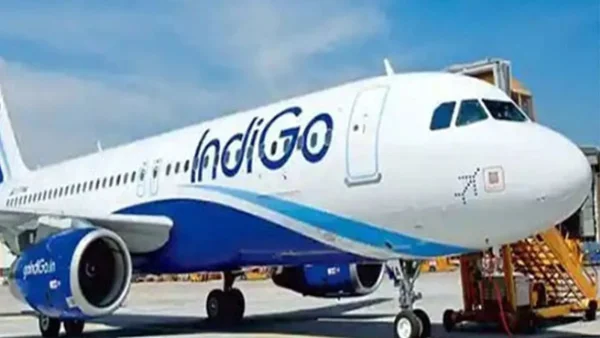
The charge will begin at 12:01 a.m. on March 14th and will be on new tickets and any tickets that are changed, the airline stated. IndiGo explained it wants to balance the effect on its finances and keep the cost to customers as small as possible. The airline described the surcharge as a smaller, more precise change instead of a wide-ranging price rise which would more clearly show the full increase in fuel cost. IndiGo also said it will continue to observe what is happening in the market, and change the charge if needed.
*Surcharge amounts, depending on the route
For flights within the country, and to the Indian subcontinent, IndiGo will add Rs 425 to each ticket. Middle East flights will have a Rs 900 fuel charge.
Flights to South East Asia, China, Africa and West Asia will be Rs 1,800 per ticket. Travelers to Europe will pay the largest surcharge, Rs 2,300 on each ticket.
Problems for airlines, beyond fuel prices
How fuel costs and the conflict are changing fares
Jet fuel is about 30 to 40 percent of what it costs to run an airline, so changes in fuel price are a major thing that affects how much profit an airline makes. Since trouble started in the area, the prices airlines pay for jet fuel have risen a lot, increasing airline costs.
Problems with supply, limited places to store fuel, and safety worries around important routes have made Brent crude go over $100 a barrel in the last few weeks. Information from the industry shows jet fuel prices have more than doubled in many places since the conflict began.
Restrictions on the airspace, and flights having to be longer, are making block hours and fuel use go up. When airlines must go around certain airspace, flights go another way and running costs rise, making the effect of the higher price per unit of fuel worse.
The value of money falling, and flights being cancelled on busy routes, also put more pressure on how much money airlines get. All these things together make temporary surcharges a common way for airlines to deal with sudden increases in costs.
How the industry has responded and what it is asking governments to do
Several airlines have already added fuel surcharges, or raised the ones they already had, to cover the increase in jet fuel costs. IndiGo’s move is the same as steps taken by other big airlines earlier in the month.
Airlines have also asked politicians to think about giving specific help, such as reducing taxes on jet fuel and looking again at charges made by private airports, to lower the short-term cost to airlines and help keep prices for passengers stable.
What travelers can expect, and what will happen next
The surcharge will immediately make ticket prices go up, especially on long distance and international flights. People travelling for pleasure may be more affected by price changes, whilst essential and business travel will likely continue, but at a bit higher cost.
IndiGo has more than 400 planes, and runs over 2,200 flights every day to more than 95 places in the country and 40 places internationally. The airline said it is sorry for any trouble caused, and will look at the surcharge as the market changes.
People booking or changing tickets should check the rules of the fare and any extra costs before they buy. Airlines are watching fuel markets very carefully, and any reduction in international problems or fuel prices could lead to changes in surcharges or fares in the weeks to come.