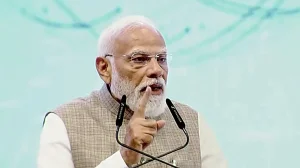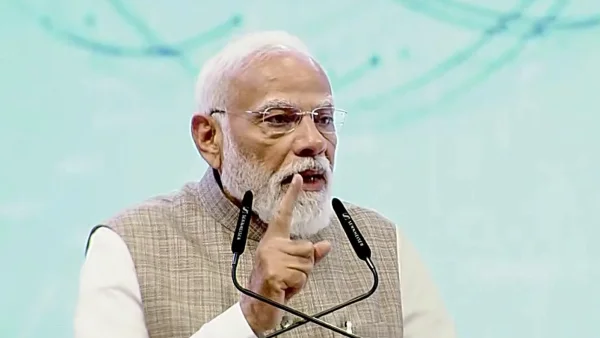
Modi spoke with Iranian President Masoud Pezeshkian as fighting in Western Asia got worse, making very clear that New Delhi’s main concern was the safety of ordinary people and that energy supplies remained safe. The phone call happened during attacks and counter-attacks which made people worried about ships, oil supplies, and how Indians in the area were doing. Modi used the conversation – and a post on X – to say what India thought was most important.
Modi Tells Iran’s President What He’s Worried About
Modi showed he was very worried about the increasing conflict, and the deaths of people who weren’t fighting, and the damage to buildings and other things people use. He stressed that India still wants peace and stability and asked both sides to try talking and using diplomacy. The way he spoke showed he cared about people, but also stressed the need to cut down on the chance of the problems getting bigger.
The Prime Minister made clear the immediate cost in human lives, and the long-term danger to the area being stable. His words showed India as someone who has a stake in things calming down, especially because of the chance that trade and energy markets could be affected. The post on X said the same things in a simple way.
Keeping Indian Citizens Safe and Getting Them Out
Making sure Indian citizens in Iran were safe was the main point of the talks. The Ministry of External Affairs said that they were actively working to move Indians to safer places and to help people leave if they needed to. A lot of Indians in Iran are students, sailors, business people, people who work in professions, and people on religious trips.
The ministry said about 9,000 Indians were in Iran, and a lot of the students had already come home after earlier warnings. Authorities are arranging help with visas and border crossings through countries next to Iran to help those who want to go back on normal flights. This planning shows a well-made plan to get people out.
Jaishankar and Iranian Officials Talking Diplomatically
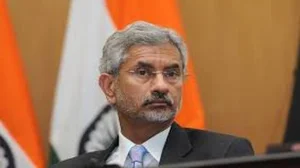
The Minister of External Affairs, S. Jaishankar, has also been in touch with Iranian officials a lot, having several conversations since the conflict began. The talks have mainly been about keeping ships safe and making sure the area’s energy supply is secure. These talks aim to cut down on the immediate danger to trade routes and to keep lines of communication open.
As a result of this diplomatic work, Iran let tankers flying the Indian flag go through the Strait of Hormuz. That access came after talks between Jaishankar and Iran's deputy foreign minister, showing how good diplomacy can get practical results even during difficult times.
Energy Passing Through and Keeping the Strait of Hormuz Safe
The Strait of Hormuz is a very important narrow passage for the world’s oil supply, and any trouble there has a very big effect on the world’s economy. About 20% of the world’s oil goes through the strait, so India asking for goods and energy to be able to pass through without being stopped shows how important the country’s own interests are. Making sure India has energy is basic to the country’s economic steadiness.
Recent attacks on ships which carry goods made it more urgent to protect the routes ships take. India’s diplomacy has aimed to make sure the supply of crude oil continues and to keep the country’s own ships from being blocked. Keeping oil and gas moving is very important for both the country’s own markets and to keep world prices steady.
What This Means for India and the Area Being Stable
India’s position balances what the country needs with a wider call for people to not do anything rash. By putting the safety of ordinary people and energy passing through first, New Delhi is trying to avoid making things worse while still keeping economic lifelines going. The way it’s doing things shows it would rather use practical diplomacy than confrontation.
The continuing talks with Iran and the practical help for citizens on the ground show a response on several levels: humanitarian, commercial and strategic. In the future, watching what happens and keeping diplomatic channels open will be key to stopping further trouble and to protecting Indian lives and energy supplies.