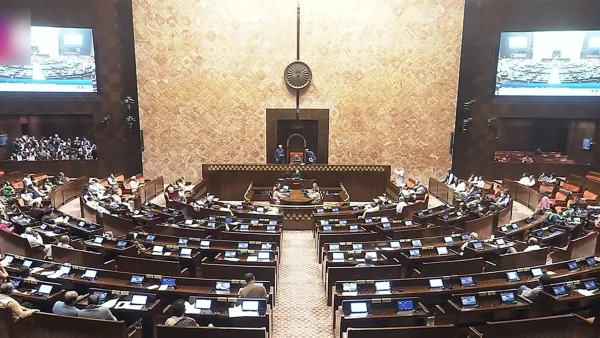
The Rajya Sabha was told that as of February 9, 2026, Rs 9,308.67 crore in MGNREGS payments hadn’t been made. This amount is what the central government still has to give back to the states and union territories under the rural jobs program which responds to demand.
Main numbers and the country’s total
The government said that in FY 2025-26, a total of Rs 9,308.67 crore in MGNREGS money was still due. Through February 8 of this year, the central government had given Rs 78,004.59 crore to states and UTs – Rs 64,789.49 crore of that was for wages.
Another Rs 13,215.10 crore went to materials and administrative costs. People at the government said money is released at times, as needed, depending on how much demand there is, how the funds are being used, and the paperwork states give in.
States with the biggest liabilities still outstanding
According to the information put before the House, Uttar Pradesh had the most still to pay – Rs 1,158.71 crore. Andhra Pradesh was next, with Rs 1,014.60 crore, and Karnataka was third with Rs 746.65 crore.
Tamil Nadu (Rs 729.88 crore), Madhya Pradesh (Rs 704.64 crore), Bihar (Rs 664.72 crore), Maharashtra (Rs 528.28 crore) and Assam (Rs 482.51 crore) also had a lot of money owing. Kerala, Odisha, Jharkhand and Rajasthan all had big amounts outstanding, as well.
How MGNREGS payments work
The government stressed that MGNREGS is demand-driven and wages are put directly into the accounts of those who are eligible using direct benefit transfer. The government issues permissions for wage payments every day using the public finance management system, based on orders for money to be moved from states and UTs.
The central government sends money in parts, and this depends on labour budgets, how much work people on the ground want, how quickly funds are used, and states sending in the papers that are required on time. This national system is meant to make sure that money flow matches what’s being done locally.
Paying off old debts, and the case of West Bengal
Usually, at the start of each financial year, the central government pays back states for any debts from the previous years that they are allowed to claim. The minister said that all the wage debts that were due and allowed to be claimed up to FY 2024-25 had been paid – except for West Bengal.
The West Bengal exception is because of things which haven’t been settled or approved by the government. These exceptions need to be handled by administrators and can cause payments to people in the areas affected to be delayed.
What the delays mean for rural families and how the program is carried out
Even though payments go straight to workers, delays in giving money back can put a strain on state budgets and make it harder to pay wages. The government said that in 2025-26, about 99.81 percent of rural families who were eligible and asked for work got jobs through the program.
The high rate of coverage shows the program reaches a lot of people, but the debts that are still owed show there is financial friction between the central government and the states. States with bigger debts may have short-term problems with money which could affect how projects are carried out or how suppliers are paid.
What to expect and what needs to be watched
People who make policy will likely watch how quickly funds are being used, how fast states are sending in papers, and the work being done to settle the debts that are still owed. Using DBT and the public finance management system all the time can speed up transfers, but problems with administration must be dealt with.
For people who watch and study this, the Rs 9,300 crore number shows how important it is to have money flowing steadily and better cooperation between the central government and the states. Making sure the debts from MGNREGS are paid on time will remain a priority to protect the lives of people in the countryside and keep the program working.