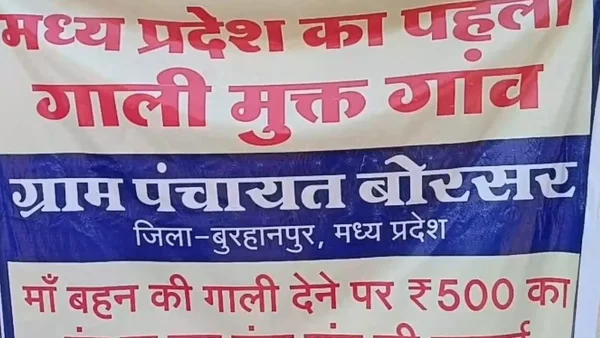
In Borsar, a local rule is actually changing people’s speech. The Gram Panchayat (the village council) said if anyone is heard using abusive language, they have to pay 500 rupees or spend an hour cleaning the village. The rule has become part of daily life with the help of posters, promises people have made, and people in the neighborhood keeping an eye on things.
Overview of the rule and its purpose
This rule came about because the village councils all agreed to try and stop people from using bad language and to make sure everyone’s dignity is protected in public. The leaders didn’t want to just punish people, they wanted to change how they act, and they called the effort the 'Abuse-Free Village‘ campaign to help everyone in every home to be more respectful.
Officials and volunteers have simply explained why this is needed: insults, and especially insults about mothers or sisters, are turning little disagreements into big fights. The aim of the rule is to stop people from saying things to provoke others, which then causes them to get back at each other and damages the community.
How enforcement works on the ground
The rule is put into practice at a very local level. Each section of the village has a committee that watches what happens at meetings, at crossroads and other places where people often start to argue. When someone is found to have broken the rule, the Panchayat sends them a notice, giving them the choice of paying 500 rupees or cleaning the village for an hour.
For people to follow the rule, it’s important that everything is open and easily seen. Posters and official notices were given to every house, and everyone in the town made a promise together. Because of this public promise and the actual punishments, the rule is simple to understand and hard to ignore.
Role of youth and local leadership
The initiative was started by young people who had returned to the village and the local leaders. A social worker who had lived away from the village for a long time thought of the idea after he noticed kids casually swearing and adults frequently fighting. The sarpanch (the head of the village) and the deputy sarpanch supported his idea.
The young people helped to make the rule part of the way things are done. They joined the pledge drives, helped put up banners, and helped with the monitoring. Their enthusiasm made the project feel like it was coming from the people of the town themselves, rather than being imposed from above, which made it more acceptable and made people stick to it.
Early results and community response
The effect has been quick and obvious. People in the village say that they hear abusive words used much less often, particularly by teenagers and young adults. Women and parents say the atmosphere is better, people talk more calmly, and fewer arguments get worse because of what people say to each other.
This village of about 6,000 people benefits from people looking out for each other. Older people and neighbors will say something when the language gets too strong, and the community service punishment reminds people of the social impact of being abusive. As a result, the way people normally act is changing, it’s not just punishing the bad behaviour.
Linking language reform to broader civic goals
Borsar also has other improvements to the town to help people feel more responsible for their community alongside the rule about swearing. These include cleaning events, new trash bins, planting trees, free Wi-Fi in the main squares, and a ‘seva room’ for sharing basic necessities. A short, respectful pause each morning is also a new, daily ritual to reinforce the idea of everyone being part of the same community.
This complete approach has turned a single rule into a broader way of life for the town. By linking standards of language to things that everyone can see and use in the town, leaders have created reasons for people to keep changing how they behave and for everyone to feel as if they have a share in the life of the village.
Lessons for other communities
Borsar shows a way that things can be done: simple rules, clear punishments, people in the town agreeing to them, and other improvements to the town can change how people act every day. The most important parts are the whole community agreeing, the rule being put into practice in an open way, and young people leading the way, connecting the older, traditional way of doing things with more modern ideas.
However, towns need to be careful they don’t go too far. Fair ways of dealing with things, punishments that fit the crime, and respecting people’s right to say what they think are important to make sure that changing behaviour protects people’s dignity and doesn’t become a way for people in power to unfairly control others. If it’s done with care, a small thing like a 500 rupee fine or using a broom can push a community towards being more respectful and having a better public life.