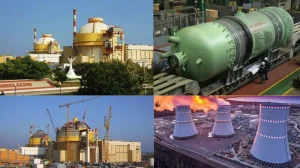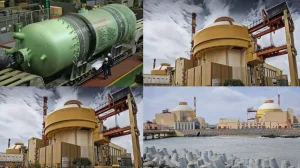
In a bid to be first in the water, Adani has put forward a plan for 10 GW of capacity by 2035. It’s a firm turn toward reliable, low-carbon baseload at a time when India is letting private interests into the nuclear fold and has to keep up with the appetite for electricity.
It is not just a concept on paper; under Adani Atomic Energy, the land is already there. “We are getting in early to meet the national need for clean, 24/7 power,” Adani said to shareholders, “with 10 GW in our sights for 2035 and the sites we have in mind.”
Private nuclear opens up, Adani moves first
The way was made clear in December 2025 when Parliament passed the SHANTI Bill, allowing for private hands in everything from reactor supply to fuel mining and R&D. Adani is making no bones about wanting to be the most forthright of the new entrants.
Should they see it through, it will be one of the biggest private nuclear undertakings in a field long held by NPCIL. The timing is key: you can count on nuclear to hold the line on a grid where wind and solar don’t always oblige.
Why 10 GW by 2035 changes the power mix
You can’t run a power system on what the weather gives you. Nuclear is the answer to that, and it lets you cut back on coal without losing your round-the-clock supply. Adani is looking to make that work at a private level, with siting well enough along to put some speed to the projects.
They see it as part of a wider energy security play. The idea is to have something to go with renewables so you can have more of them on the books without the grid taking a hit.
Broader build-out: power, hydro, ports and data
Then there is the rest of the picture. Adani Power is in the middle of what it touts as the country’s top private capex, putting down over Rs 2 lakh crore to get to 45 GW in five years. That kind of heft gives you leverage in procurement and across the board in operations.
There’s also a deal with Bhutan’s Druk Green to put up 5,000 MW of hydro. It’s good for seasonal storage and has the flexibility to back up both the renewables and any nuclear that comes online later.
For FY 25-26, the group put more than Rs 1.5 lakh crore into hard infrastructure – some 30% of all new private spending in the country. Out in Kerala, Vizhinjam port did in its first year what no other in India has done, topping 1 million TEUs in record time.
Digital scale and hyperscale alignments
On the data centre front, they are after a 3 GW platform by 2030. A MoU with Google for a gigawatt-scale facility in Visakhapatnam is case in point for the kind of confidence you see from them, Microsoft, Uber and Flipkart, according to the group.
Data centres want their power without fail. Put the steady hand of nuclear with some hydro and gas and you have a solid backbone for the digital side of things.
Execution playbook and capital intensity
To keep things from bogging down, they are putting in place a three-tiered setup from the head office to the field to cut the red tape and put decision-makers where the work is. Anything non-core is being offloaded to the GCCs or partners so as not to dilute returns while they are scaling up in a number of areas at once.
What to watch for:
– Land in hand for the next round of nuclear
– 10 GW to be had by 2035
– The SHANTI Bill as the enabler for private players
– 45 GW for Adani Power in half a decade
Aviation and defence adjacency
With ties to Leonardo and Embraer, they are looking to put down roots in helicopter and regional aircraft making. Adani describes it as a national platform for manufacturing, MRO, and even training pilots.
And in times like Operation Sindoor, the group’s drones and ordnance were on hand for the Armed Forces. It may be a side note to the nuclear story, but it shows a method to building out in multiple domains.
It is what it is. If Adani can put 10 GW of nuclear up and running with the rest of his energy plans, you could see the private sector’s part in India’s baseload redefined. We will have to wait and see on the approvals and the financing as the market gets going.