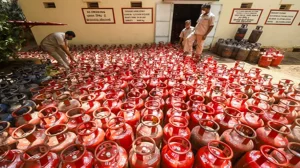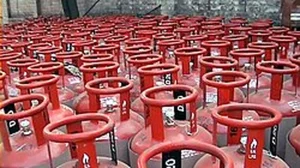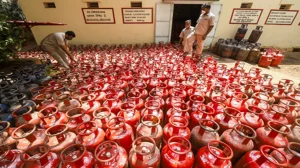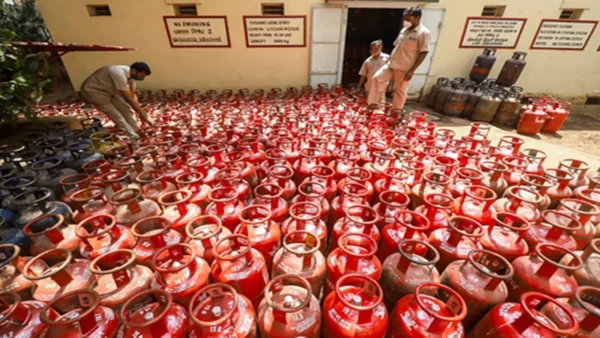
Police broke up two illegal operations storing and refilling LPG in a combined effort, arresting three delivery agents and confiscating 125 LPG cylinders. The raids showed that gas is repeatedly stolen, artificial shortages are made, and the price of LPG cylinders is unfairly altered throughout the city.
Details of the raids and seizures
In Rama Vihar, Rohini, police found 57 cylinders, 50 of which were full. They also took a pickup truck, a scale, and equipment for moving the gas. A fifty-five year old man called Lokpal was arrested there.
Second site findings in Sangam Vihar
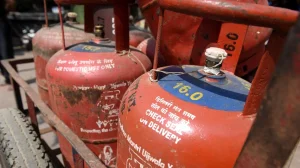
In Sangam Vihar, a different operation found 68 cylinders, 36 full, 29 empty, and three with broken safety seals. Deepak, 37, and Shyam, 45, both delivery workers, were arrested. Police say all three men were officially authorized to deliver LPG.
Method of operation and illegal refilling techniques
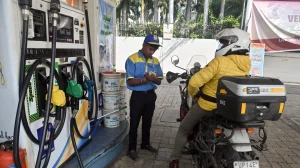
Police say the accused took legally delivered LPG cylinders instead of completing the deliveries. They collected these cylinders and used equipment they weren’t supposed to have to take a little gas from each one. This stolen gas was then used to fill empty cylinders, which were then sold.
Investigators discovered motors for refilling and people physically moving the gas. The group only took about 1 to 2 kilograms of LPG from the full cylinders and put it into the empties. This was enough to sell the refilled cylinders for more money, and to hide the fact that gas had been stolen.
Motivation: artificial shortages and price manipulation
By not delivering the gas people were supposed to get, the accused created local shortages and made people want to buy it. They then sold the refilled cylinders in normal markets at inflated prices, making a lot of unfair profit. This shows how abusing the way supplies are moved can quickly cause prices of essential fuels to go up.
Legal and safety implications
The law allows the accused to be charged with theft, fraud, and breaking the Essential Commodities Act. The investigation will try to find where the stolen cylinders came from, and if there is a bigger network involved in this illegal activity.
Besides the legal problems, refilling the cylinders in this way is very dangerous. Cylinders that have been messed with and broken seals are much more likely to leak, start fires, or explode. The equipment and methods used by those doing the refilling without authorization don’t have the safety features of official refilling plants.
Investigation priorities and systemic vulnerabilities
Police have started investigations and are looking at both where the gas came from and where it went. They are particularly looking at finding the original starting point of the shipments, checking delivery records, and finding anyone who helped with getting the gas distributed or resold.
These kinds of scams happen when there are gaps in checking things, lots of people wanting something, and not enough enforcement of the rules. This investigation might lead to stricter controls over tracking cylinders, checking deliveries, and regularly inspecting authorized dealers.
Measures for consumers and enforcement
Customers should only take cylinders that have unbroken safety seals and the right paperwork from official suppliers. If a delivery doesn’t arrive or you are offered a deal that seems suspicious, tell the police or your supplier’s help line right away. Keep your delivery slip and make a note of the delivery person’s ID.
Authorities can stop this from happening again by improving the electronic tracking of deliveries, making random checks, and prosecuting offenders more quickly. Distributors, the police and those in charge of the system need to work together to make sure the supply is safe and the public is protected.
These arrests and the cylinders that have been taken send a clear message that illegally refilling and storing LPG will be dealt with. The current investigations are to find out exactly how big this scam is and to stop any more interruptions to people’s gas supply.