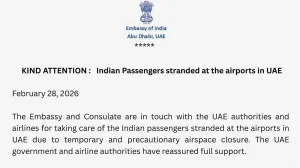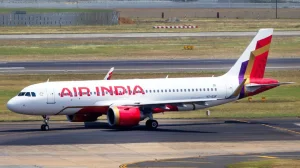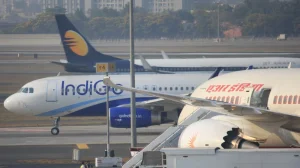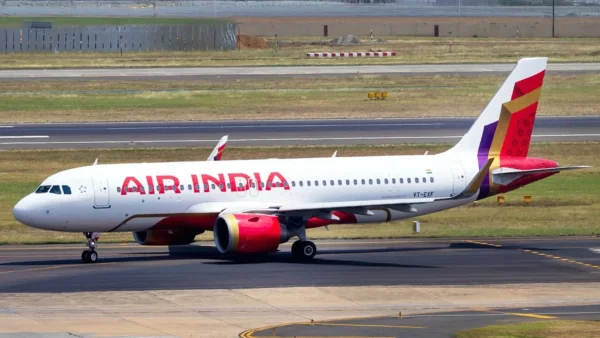
Air India has temporarily stopped flying the New Delhi to Tel Aviv route until May 31st because of increasing safety and practical difficulties. A person at the airline said this is the case. The service, which started again on January 1st with Boeing 787 Dreamliner planes, has been interrupted many times since the end of February.
Details of the suspension and airline response
The suspension of Air India flights to Tel Aviv, lasting until May 31st, is because of increased security risks and changes to the rules about where planes can fly. Many other major airlines have also stopped flying to Tel Aviv, and only a few Israeli airlines are still operating, and they have many restrictions.
Earlier this year the restarted route had four flights a week on the Dreamliner, but things became inconsistent after fighting in the area greatly increased. Airlines frequently change their routes when flying is unsafe, insurance is too expensive, or the crew’s wellbeing is in question.
Impact on the Indian community in Israel
More than 40,000 Indians who live in Israel are worried, as they might need to return to India for work, school, or because of the danger. Many aren’t sure when they can go, how much it will cost, or how to get legal and medical help if the situation gets worse.
The Indian embassy in Tel Aviv is actively helping its citizens, keeping in touch with them and providing a 24/7 emergency phone line. Embassy staff have asked a lot of people to register with them, and have had online conversations with workers and students to discuss their immediate worries and what to do next.
Alternative travel routes and logistical challenges
Now that direct flights aren’t running, many Indians will have to travel by land to countries like Jordan or Egypt to get a flight out. Entering Jordan or Egypt requires planning, you may need a visa to pass through, and there could be delays at the land borders, which are themselves under greater security.
Only a small number of Israeli airlines are flying, and they are under strict controls, so there aren’t many seats available and prices could go up a lot. People traveling should confirm the rules for borders and travel through other countries, check how flexible their booking is, and ask the embassy for advice on getting out or any special arrangements.
Operational and safety considerations behind the decision
Airlines decide to stop routes based on the newest information, what their insurance companies say, and advice from their country’s aviation authorities. Air India used these practical necessities as a reason, whilst considering what passengers need and the safety of their flight crews. The decisions to stop or change routes are made after discussions between the safety, legal, and operational departments.
More widely, airlines are avoiding flying directly to places where commercial flights are in danger. Even if some flights do continue, they often have extra restrictions, different paths, and more plans for dealing with problems to reduce the risk.
Wider regional and economic implications
The fighting has spread to the Gulf area, affecting ships and the supply of energy, especially through the Strait of Hormuz. Problems in this important waterway usually increase the price of fuel and affect airlines and freight companies, raising the costs of running a business for both of them.
If things stay unstable for a long time, airlines might have to change their plans for how many flights they will run in the long term, change their schedules, and think again about how many people want to fly between India and that area. Companies and travelers should follow what is happening closely because changes to how goods are supplied and the price of energy might affect the price of tickets and how you can travel.
Passengers and their families should get up-to-date advice from official sources and the Indian embassy in Tel Aviv. Airlines normally allow you to change or get your money back if flights are cancelled for security reasons, so people whose flights are affected should contact the airline quickly to see what they can do.