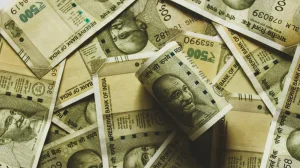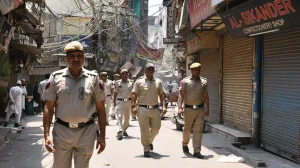
The ECI reports the value of all the illegal goods and things used to influence voters is more than 651.5 crore rupees. Large amounts of cash, many liters of alcohol, drugs worth a lot of money, precious metals and free items (given to voters) were found by enforcement teams and “flying squads” (teams that quickly go to places where illegal activity is suspected). Because of these discoveries, checks are becoming stricter as the dates for voting get closer.
Seizure Summary Across States and Union Territory
The total value of the items confiscated is 651.51 crore rupees. This includes cash, alcohol measured in hundreds of thousands of liters, drugs worth crores of rupees, precious metals, and various free things for people to take, all supposedly to get them to vote a certain way.
West Bengal has had the largest amount seized, then Tamil Nadu, Assam, Kerala and Puducherry. The Election Commission says this is all part of a bigger effort to stop illegal influence in the election and protect the fairness of the election process.
State-by-State Details of Recoveries
In West Bengal, enforcement teams took items worth about 319 crore rupees. Of that, around 150 crore rupees were in gifts, 55 crore rupees in alcohol (about 21.29 lakh liters), 65 crore rupees in drugs, 39 crore rupees in valuable metals and about 11 crore rupees in cash.
Tamil Nadu has reported total confiscations of roughly 170 crore rupees. Officials found drugs worth about 67 crore rupees, along with 63 crore rupees in other gifts, 30 crore rupees in cash, 8 crore rupees in precious metals and roughly 2 crore rupees in alcohol.
Assam’s confiscations total approximately 97 crore rupees. Enforcement teams seized 4 crore rupees in cash, almost 6.85 lakh liters of alcohol (worth 20 crore rupees), 56 crore rupees in drugs, 4 crore rupees in valuable metals, and 13 crore rupees in other gifts.
Kerala’s confiscations add up to about 58 crore rupees, and are largely due to drugs worth 41 crore rupees. Police also took around 8 crore rupees in cash, 5 crore rupees in other gifts, 2 crore rupees worth of alcohol and approximately 1 crore rupees in precious metals.
Puducherry had smaller, yet still important confiscations totaling about 7 crore rupees. This consisted of roughly 6 crore rupees in valuable metals, 20 lakh rupees in cash, 30 lakh rupees in alcohol and smaller amounts of other gifts.
Enforcement Strategy and Deployment
The ECI has had many meetings with the top government officials, election supervisors and police leaders of each state to be certain the elections are free from threats and illegal payments. They are concentrating on working with police on the borders of states and Union Territories to stop illegal goods from being moved across those borders.
The commission has assigned 5,173 “flying squads” and 5,200 permanent surveillance teams throughout the five states and Puducherry to enforce the rules. The ECI has told law enforcement to do checks without causing too much trouble for regular people and has created committees at the district level to quickly deal with any problems people report.
Implications for Electoral Integrity and Next Steps
These confiscations show how often people are trying to buy votes and how important the Election Commission thinks it is to follow election laws. By stopping cash, alcohol and drugs, the authorities hope to discourage unfair influence and make sure all candidates and political parties have an equal chance.
Voting in these five areas will happen in stages. Assam, Kerala and Puducherry vote on April 9, Tamil Nadu on April 23, and West Bengal on April 23 and April 29. The votes will be counted on May 4. The ECI has said they will continue to watch what’s happening and take legal action when needed to uphold the law during these state elections.