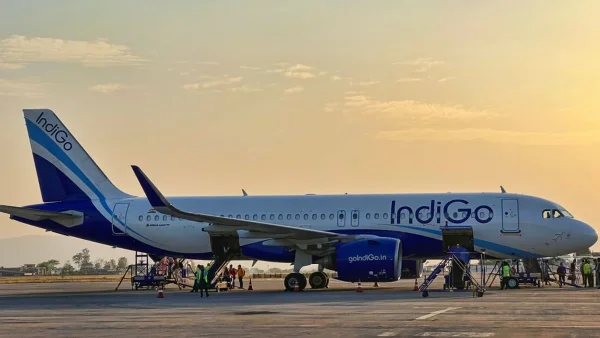
The Ministry of Civil Aviation said on Tuesday evening that Indian companies will fly fifty-eight special flights on Wednesday to bring people back from the Middle East. This is happening because there’s been a lot of trouble in the area, with airlines stopping regular flights and making special flights just to get people out and get routes going again.
Flights Planned and Which Airlines are Taking Part
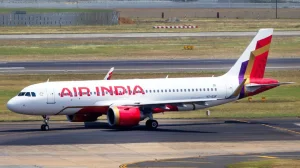
Indian airlines are planning fifty-eight flights for March 4th; IndiGo is to do thirty of them, and Air India and Air India Express together will do twenty-three. These will be a mixture of flights to get people home, and a few normal routes where the air space is safe enough to use.
Airlines from other countries are also helping. Emirates and Etihad ran nine special flights in the last day. Also, other Indian airlines, like SpiceJet and Akasa Air, are running some flights from hubs in the Gulf to help travelers who are stuck.
How Much the Planes Can Carry and Changes to When Flights Go
Air India is using large planes that hold a lot of people to get as many back as possible. A Boeing 777 that could carry nearly 350 people left Jeddah, and Boeing 787-9 and 787-8 planes are planned to fly from Delhi and Mumbai to Dubai and Jeddah. These large planes will be full on the flights back.
Indian airlines have stopped a large number of flights while they change when they fly. Up to now, Indian airlines have stopped 1,221 flights, and airlines from other countries have stopped 388 flights from the Middle East to India – 1,609 in total – because of the fighting and limits on the air space.
Airlines are slowly starting long-distance flights again, using different routes. Companies have sent Europe and North America flights on longer routes to avoid air space that is not allowed. Some flights in the area to Oman and Saudi Arabia are starting again because that air space is still mostly open.
Which Routes, Airspace Limits, and How Safe Flights Are
Flights to and from many airports in the Middle East have been badly affected since the weekend. Because of safety in flying, airlines are avoiding areas where there is fighting, even when the air space seems to be available, so airlines are still planning to slowly and in stages start flights again.
When they can, airlines are using flights at different times and different routes to keep important links going. Flights are mainly going to places where civilian air space is stable, and flights to other airports are stopped until things get better and the people in charge say it’s okay to fly.
Working With People in Charge and Checking Ticket Prices
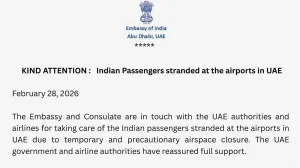
The Ministry said it’s keeping in very close touch with airlines, airport people, those who control flying, and the Ministry of Foreign Affairs to make sure people get home safely and in good order. Indian embassies abroad and aviation people from other countries are working with airlines to get permission and spaces for flights.
The people in charge are also watching ticket prices to stop them going up too much during the crisis. Airlines are putting on extra space when they can, and arranging special flights with the people who control things and the countries where the flights land, to make it easier for people to travel.
Help on the Ground and How to Get Information
Airlines and Indian embassies are telling passengers who are stuck to keep in touch with their airlines and the people at the embassies. New times for flights, permission being given, and how to check in may be given at short notice as routes and permissions change.
Passengers should have travel papers ready and check what the airlines say, official embassy information, and what airports tell people before they travel. Social media can give information as it happens, but travelers should check changes with the airline or the official government website.
What Passengers Affected Should Do
If you are affected, be sure of your booking and what you can take as baggage before you go to the airport. Expect more people on the special flights and get to the airport early to do what you need to. Be ready for last-minute changes to when you leave and the route.
Have emergency numbers with you and register with your country’s embassy if you have to. Staying informed, being able to change plans, and helping will make getting home easier while airlines and the people in charge work to get things back to normal.