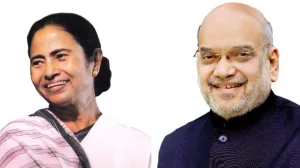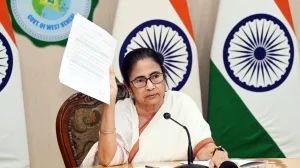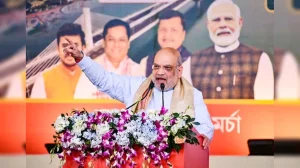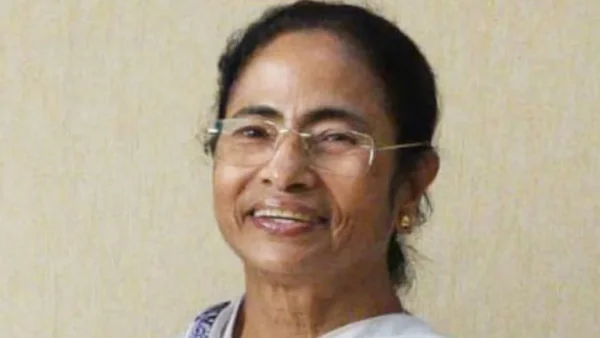
Before the 2026 Assembly election, West Bengal’s Chief Minister, Mamata Banerjee, is really pushing voters to vote – to “get revenge” on the people who she says removed names from the voter lists during the recent, thorough review of those lists. At a meeting in Samserganj, she said the vote should be a response to what she called the unfair removing of names, and told people whose names were taken off to officially protest and then use their vote to show they’re unhappy with what happened.
A rallying cry rooted in voter roll disputes
Banerjee is focusing on this thorough review of voter lists, claiming that people who should be on the list were taken off and even frightened during the process. She says anyone whose name was removed should protest and then, when they vote, show their disapproval of the whole thing.
The West Bengal Assembly election will be held in two parts, on April 23rd and 29th, with the votes being counted on May 4th. As the campaigning gets more intense, Mamata Banerjee (the leader of the Trinamool Congress) is trying a plan that combines criticizing the way things are being administered with getting people to actively support her. She’s saying that voting is the way to fix what she believes is people being wrongly kept from voting.
Accusations against the ECI and national leadership
The Chief Minister criticized the Election Commission of India, saying they moved almost 500 officials and allowed names to be removed during this review (called SIR). She asked why the same voter lists that were used for the 2024 national elections couldn’t be used for the state elections. She suggested that if those lists did have “people who have illegally entered the country”, then top national leaders had already gotten votes from them.
In what seems like a direct attack on Amit Shah (the Union Home Minister), Banerjee said he was the one behind the names being removed. From the stage, she told him to “fight fairly if you have the courage.” The Election Commission has official power during the election period, but Banerjee reminded her supporters that their power over the state government stops once the election is over.
Rhetoric and rebuttal in a tightening contest
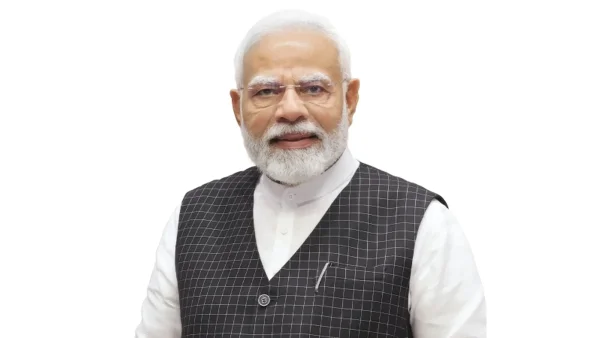
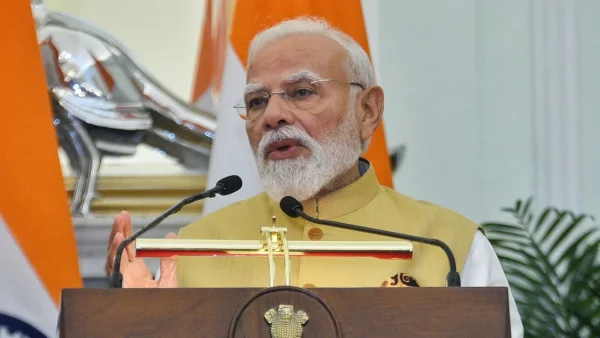
The political situation became even tenser when Narendra Modi (the Prime Minister) spoke at a meeting in Cooch Behar. He accused the state government of allowing a huge amount of lawlessness. He said the 2026 election is a battle between fear (under the TMC) and confidence (under the BJP). The BJP has also said that the TMC caused violence in Murshidabad during protests about the Waqf Amendment Act in 2025, and that several people died.
Banerjee responded by saying she fought against the Waqf law and defended her work with minority groups. She also said that Hindus have had their names removed from the list too. She said even members of her own family were affected, which she says proves the review wasn’t just about one particular group.
Poll preparedness and internal discipline
Banerjee has told her party workers to keep a close watch all the way up to the day the votes are counted. She warned the people working at the polling places not to switch sides and said that the electronic voting machines (EVMs) might not work in certain places. She told workers to request a replacement machine instead of letting officials fix it right there. According to election rules, the people running the polls have specific procedures for reporting and replacing broken machines; the parties usually have people there watching to make sure these procedures are followed.
She’s also dealing with disagreements within her own party, and has said there will be consequences for anyone who goes against the party after one of the current MLAs in Farakka filed to run for office even though the Trinamool party had already chosen someone else. The party has replaced candidates in 74 out of the 294 voting areas, and this has made some of the people already in office unhappy. Banerjee said that anyone who doesn’t respect the party’s decisions won’t be let off the hook, and said that being united is essential for the statewide battle between the TMC and the BJP in every voting area.
Identity, migration, and the NRC fault line
The Chief Minister connected the disputes over the voter lists to more general worries about citizenship. She again said she is against holding people in “detention camps” in the name of the National Register of Citizens. She says attempts to call workers from West Bengal “Bangladeshis” have led to them being sent back from other states. Banerjee says this is done for political reasons and will encourage people to vote against the BJP in 2026.
She also accused the BJP of trying to split the Muslim vote by helping the AIMIM to become active in West Bengal. At the same time, she said the review of the voter lists affected people of all religions, and presented her request for votes as a defense of everyone’s right to vote, and not just a request for support from one religious group. She’s using this two-pronged approach to get the support of minorities while also stopping divisions amongst Hindu voters.
Murshidabad backdrop and legal recourse for voters
Samserganj, where Banerjee held her meeting, is in Murshidabad. There were violent protests over the Waqf Amendment Act in Murshidabad last year, including a father and son being killed by a crowd (which was widely reported). The BJP said the TMC created the unrest, but Trinamool leaders deny this. By returning to this area with a history of trouble, Banerjee wants to show she is both someone who will keep order and someone who will protect people’s rights.
She told anyone who believes they were wrongly removed from the list to use the official ways to get back on it. Under the rules of the review, people can appeal to specific people or groups to have their names added back, give them documents to prove they should be on the list, and ask for corrections. Voters should check their status early, have their identification and proof of where they live ready, and follow up with the local election offices to avoid problems on election day.
What to watch as the campaign enters its final stretch
The next three weeks will show how well each side can get people to actually vote, how disciplined the parties are, and how believable the different things they’s saying are. The Trinamool Congress thinks that being angry about the alleged removals from the list will get more people to vote and will get everyone to support them. The BJP is focusing on messages about law and order, people being unhappy with the current government, and how well they are organized.
Decisions made by the administration will continue to be important, including who gets moved to what job, how the polling places are organized, and how the EVMs are handled. With the election being held in two parts, across 294 voting areas, and the votes being counted on May 4th, even small changes in areas where the vote is close could decide who controls the Assembly.
Ultimately, Banerjee’s call to vote to "get revenge” is both a slogan and a plan: to turn being upset into more votes. Whether this message will get the attention of people who already support her will determine how much the controversy over the review of the voter lists will affect the election map of West Bengal in 1026.