Air travel in the Middle East is still unpredictable as airspace restrictions, safety worries, and problems with how things work keep causing issues for airline networks around the world. Emirates and Etihad have begun some limited services, but Indian airlines – IndiGo and Air India included – are putting on more flights and sending planes a different way to get travelers who were left behind to where they need to be. Problems still happen, but some ability is slowly being put back on certain routes.
How big the problems are, and how airspace is changing
The problems have caused big changes to flight plans, with airlines stopping, rerouting, or delaying thousands of flights. Cirium, a company that looks at airline data, thinks over 27,000 flights to the main places in the Middle East have been stopped since things got worse, and more than half of the about 51,600 flights that were meant to go to or from the area since February 28 did not happen.
People traveling through the Gulf area have been most immediately affected, and have had to deal with very long layovers, bookings being changed over and over, and last-minute changes in where their flights go. Some flights from Delhi and Mumbai are going by way of Jeddah, as airlines avoid areas of airspace that are closed or have limits, making already difficult trips take even longer and be more complicated.
Not being sure what will happen is the biggest thing when it comes to making plans in the area. Airlines are putting out flight plans that might happen, and are telling passengers to check the status of their flights before they go to the airport, as permission to use airspace can change with very little warning.
Oman is becoming a very important place to change planes
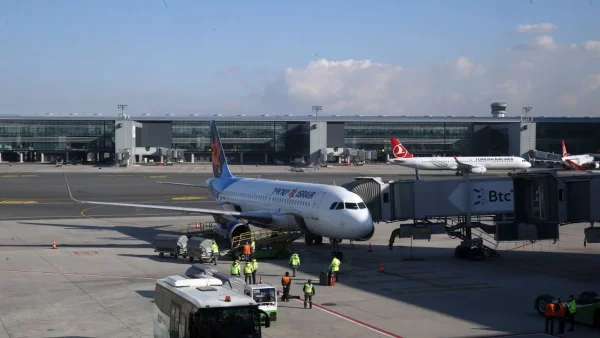
Because the airports in Muscat, Salalah, and Sohar are all working as normal, Oman has become a place people can depend on to send flights somewhere else. Airlines are using the Oman airports to change crews and planes, and passengers are using connections through Oman to get to Saudi Arabia and the rest of the Gulf. For many, Oman is now the quickest way to get back onto flights that go a long distance.
Gulf airlines start up again with fewer flights
Emirates has stopped more than 2,000 flights since the problems started, but is slowly putting back a smaller number of flights as parts of the area’s airspace open again. Flydubai has also started a few flights again, focusing on the main routes and putting passengers who were affected by cancellations back on planes.
Etihad Airways has begun a limited number of commercial flights from Abu Dhabi that will continue through March 19. The temporary flights go to important cities in Asia, Europe, and North America – including Delhi, Mumbai, Bengaluru, London, Paris, Frankfurt, New York, Toronto, and Bangkok. Seats are being given to people who were affected by earlier cancellations first.
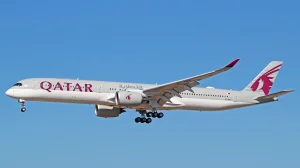
Qatar Airways is running flights to help move travelers who are stuck. All the Gulf airlines say that flight plans are still changing, and that changes to how things work may be put in place with little notice, for safety and legal reasons.
International airlines reduce their networks and change routes
In Europe, North America, and Asia, many large airlines have extended pauses or changed the routes their planes take. Air France stopped flights to Dubai and Riyadh until March 6, and to Tel Aviv and Beirut until March 8. KLM stopped services to Dammam, Riyadh, and Dubai through March 6, and has stopped all its winter flights to Tel Aviv.
British Airways stopped services to Abu Dhabi, Amman, Bahrain, Doha, Dubai, and Tel Aviv but has added more London-Muscat flights to help travelers whose flights were affected. Cathay Pacific stopped Dubai and Riyadh flights until March 14. Delta Air Lines has extended the stop of New York-Tel Aviv flights to at least March 22.
Korean Air stopped Dubai services until March 8. Singapore Airlines stopped flights to and from Dubai until March 15, saying that the current political situation in the area was the reason. These actions show that the airline industry as a whole is trying to lower risk and use its ability to change as needed.
India-Middle East route: more ability, and advice
India’s Ministry of Civil Aviation said that 281 flights that were meant to happen on Thursday by domestic airlines had been stopped, as the airlines changed their networks. To put connection back in place and bring travelers back to India, Indian airlines have put in place targeted increases in ability, and have rerouted some flights.
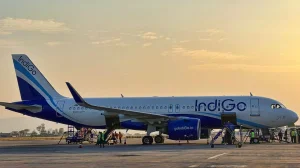
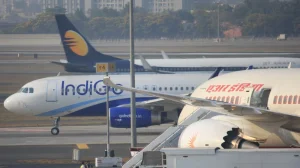
IndiGo said it would run 17 flights on March 6, covering 34 routes to eight places in the Middle East, as it slowly starts service again. The airline has also begun flights to Athens, Muscat, Jeddah, and Madinah, and is running flights to bring people back to the UAE. Passengers have been asked to wait for confirmation before going to the airport.
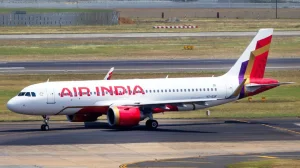
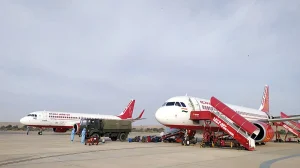
Air India has begun services to Jeddah and Muscat and is adding long-distance flights to make up for ability that was lost. The airline planned three more Delhi-Toronto flights from March 5 to 11, three more Delhi-Frankfurt flights from March 7 to 10, and one more Delhi-Paris flight. Some flights from Delhi and Mumbai are going by way of Jeddah to avoid airspace that is limited.
Air India Express is still running scheduled India-Muscat flights and is running more flights from Dubai and Ras Al Khaimah to many places in India. SpiceJet has put on about 20 special flights from the UAE to India between March 5 and 7, including services from Fujairah to Mumbai and Delhi, and a Dubai-Mumbai flight that goes back and forth.
What travelers should expect next
Because of the changing safety situation, airlines are starting up again slowly and making plans for what might happen. Expect flight plans to be changed over and over, routes to be longer, and few seats to be available on routes that are in high demand as airlines give first place to passengers from earlier cancellations.
Travelers should watch airline apps and websites, update the details that airlines can contact them by in their bookings, and not go to the airport unless they are sure their flights will happen. Plan for generous times for connections, check visa and transit rules for secondary places like Muscat, and think about tickets that can be changed or travel insurance that covers problems caused by politics.
Prices may stay high on some routes as the number of seats is less than the number of people who want to fly. But as airspace limits are reduced and planes are put in the right places, flight plans should become more firm. For now, the Middle East flight update is one of careful recovery: Emirates and Etihad are flying with fewer flights, and IndiGo, Air India, and other airlines are adding ability to connect passengers while keeping safety as the most important thing.