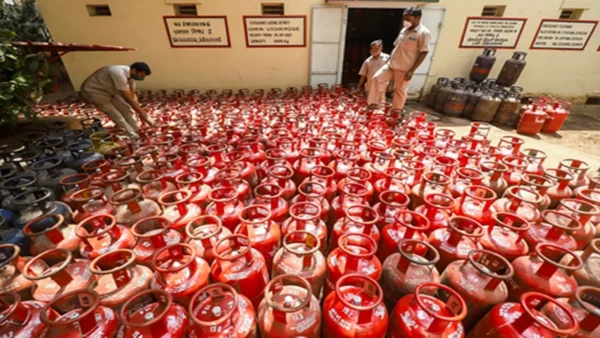
The government has noticeably increased LPG deliveries and wants people to not panic about possible delays because of the Strait of Hormuz. The people in charge say more of the 5-kg cylinders that are sold at the regular price have been sold, refineries are producing more, and homes and essential businesses are being given priority.
Government response and supply figures
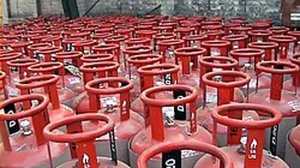
On April 4th, over 90,000 of the 5-kg cylinders were sold, and about 660,000 have been sold since March 23rd. On a single day, over 5.1 million cylinders for homes were delivered by distributors, demonstrating the delivery system is still working and responding to how much is needed.
About 95% of the orders are being made online, which takes pressure off of the stores and makes the entire delivery process easier. The oil ministry also points out that gas stations all over the country have plenty of petrol because the refineries are working at full speed and we have enough crude oil for the near future.
Distribution changes and consumer access
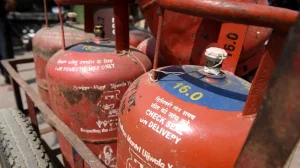
The smaller 5-kg bottles are easily available at LPG distributor locations if you show a valid form of identification. These regular-priced bottles don’t require proof of address, unlike the larger 14.2-kg subsidized cylinders, which means the subsidy program can continue, but people can get gas quickly.
To control demand, the government has made people wait longer between refills of their subsidized cylinders and limited commercial LPG to 70% of the amount used before the current issues. Making the smaller cylinders more available should relieve some immediate demand and ensure homes have fuel without interfering with the subsidy system.
Enforcement against hoarding and black marketing
Government officials have really cracked down on hoarding and illegally selling LPG at inflated prices. Since March, they’ve taken over 50,000 cylinders and sent over 1,400 official warnings to LPG distributors. Thirty-six dealerships are facing being shut down, showing that they are now watching things much more closely to safeguard consumers and keep the supply chain working smoothly.
Teams that are monitoring the situation are still at distributor locations and on online sites. The public is being asked to get their information from official sources and not rush to buy more than they need, because this creates shortages that aren’t real and makes it harder to get the gas to those who really need it.
Natural gas and fertilizer supplies
As for natural gas, the amount going to homes and transportation is being fully maintained. The government is making sure that piped natural gas (PNG) is delivered to homes and vital services, so people can continue to cook and transport things during these uncertain times around the world.
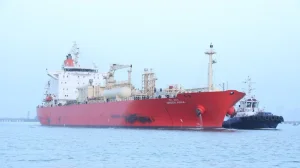
From April 6th, fertilizer plants should get around 90% of their normal amount of supplies, helped by incoming shipments of liquefied natural gas (LNG). Getting the fertilizer plants their supplies again will stop issues with farming, and refineries and unloading terminals are working at nearly maximum capacity.
Guidance for consumers and businesses
People should continue to order their gas online as usual, and go to their local distributor for a 5-kg cylinder if they need to top up quickly. Using official ways to get your gas protects you from being ripped off and helps distributors to deliver based on actual needs.
Businesses using commercial LPG need to keep in mind the 70% limit and consider using different fuels for a short time or changing their working hours. Hospitals, schools, and other vital services will continue to get gas first, and the government is asking everyone to avoid piling up supplies so that it can be fairly distributed.