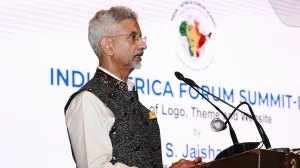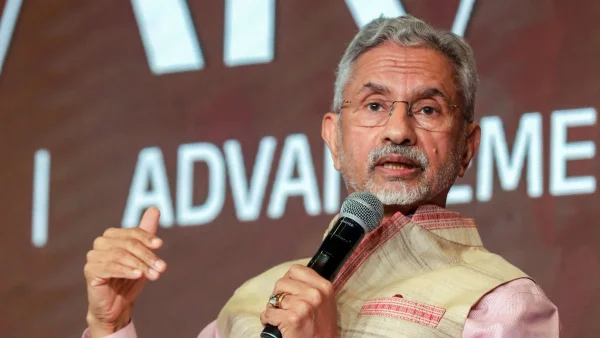
This week at Abbaye des Vaux-de-Cernay in France, S Jaishankar is with the foreign ministers of the G7 nations. Jean-Noel Barrot, the French Minister for Europe and Foreign Affairs, invited him and he will likely have separate conversations with other ministers while he’s there.
Purpose and Timing of the Meeting
This minister-level meeting follows informal talks around the time of the UN General Assembly and is a preparation for the G7 Leaders’ Summit in Evian (June 13-15). Those at the meeting are aiming for definite, practical results for the leaders to use.
Because of the timing, this G7 Foreign Ministers meeting is important for turning diplomatic conversation into advice for the leaders to actually use in June. France, as the host country, is thinking about dealing with problems right now, and also making lasting changes to systems.
Ukraine at the Center of Deliberations
The war in Ukraine is a major part of the discussion, with particular attention on security in the area and rebuilding Ukraine after the conflict. French officials hope the rebuilding discussion will give at least three strong results relating to safety, getting rid of landmines, and ways of funding Ukraine’s recovery.
The ministers will emphasize how international banks, particularly the European Bank for Reconstruction and Development, can get both governments and private businesses to invest in Ukraine’s recovery. Jaishankar being there shows India is interested in world stability and in how we fund rebuilding.
Reconstruction Priorities and Practical Measures
People expect lots of details to be discussed on how to keep nuclear facilities safe, how to safely remove bombs and mines from the land, and how to find enough money for Ukraine that can be increased easily. They want actual steps to be taken, not just empty promises, and a clearer idea of what banks and technical experts will do.
This being practical shows what the G7 generally wants to do: create ways to get money from many countries and from private companies, while also dealing with Ukraine’s immediate needs for help and fixing its buildings and services.
Maritime Security and Global Supply Chains
Keeping shipping routes safe will be a big topic, and ministers will look at what is threatening ships and the supply of important minerals. Problems in the Strait of Hormuz and other issues in the region have made making sure ships can travel and trade continue more important.
They’ll be discussing illegal activity at sea, like drug smuggling, and also issues relating to important minerals. The G7 intends to work together to protect sea routes, keep trade safe, and make important supply lines less likely to be interrupted.
Governance Reform and Multilateral Coordination
Besides dealing with current emergencies, the meeting will discuss changing how the world is governed, looking for ways to work together more on problems that cross borders. Officials have said they plan to rethink the ways many countries work together to deal with risks that affect all countries’ power to govern themselves.
They are also speaking to countries that aren’t in the G7 – ministers from South Korea, India, Saudi Arabia, Brazil and Ukraine. This is part of a wider attempt to reach out. There will be smaller meetings, lunches, and two-way conversations to improve cooperation and come to agreements before the leaders’ meeting.
Expected Outcomes and Strategic Implications
The French people giving information to reporters have said they want open and honest discussion that will lead to results that can be measured, and not only statements. What the foreign ministers decide will set what is discussed at the Evian summit, particularly Ukraine, safety at sea, and changes to the way things are run.
For India, Jaishankar being at the meeting shows that New Delhi wants to influence how many countries respond to things, even though India isn’t officially part of the G7. He might have separate meetings with other countries to improve trade, cooperation at sea, and common goals for security, which will strengthen India’s influence on how the world responds to issues.
The meeting should combine dealing with current crises and planning for the future, and should come up with real plans that link what the foreign ministers discuss to what the leaders will do at the summit in June.