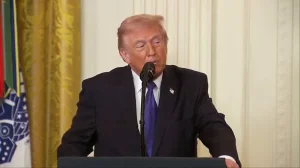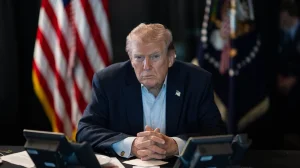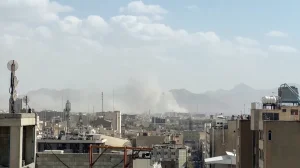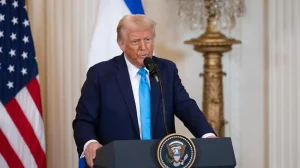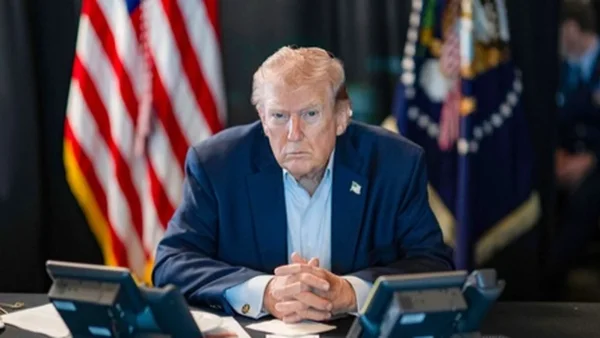
Recently on social media, former President Trump said Iran needs to “open Hormuz” or risk a military attack. He said he’d ‘completely obliterate’ Iran’s power plants, oil fields and Kharg Island, and even suggested they might go after the places where they make fresh water.
Details of the ultimatum and ongoing talks
Trump says negotiations with a ‘more sensible’ Iranian government are going well, but he insists a deal needs to happen quickly. He’s saying if the Strait of Hormuz doesn’t reopen, Iran’s energy facilities and important places for exporting goods will be directly attacked. He’s given a ten-day pause to any attacks, hoping an agreement will be made in that time. The message mixes diplomatic wording about talking with firm, military threats, basically offering this: open the waterway “immediately” or face serious consequences for your energy and water systems.
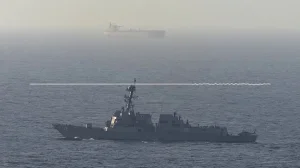
Even as talks are mentioned, the U.S. has moved more soldiers and equipment to the region. Plans for what to do in an emergency include quick attacks near the Strait of Hormuz and possibly taking over Kharg Island, a main place for shipping out oil. This is worrying people because it could lead to a larger land battle.
Military posture and regional deployments
This approach of talking publicly while building up the military is a way to put pressure on Iran and discourage them from doing anything. Military people seem to be keeping all options available, and other countries in the area and the financial markets may see this as both a way to get a better deal and getting ready for a larger conflict.
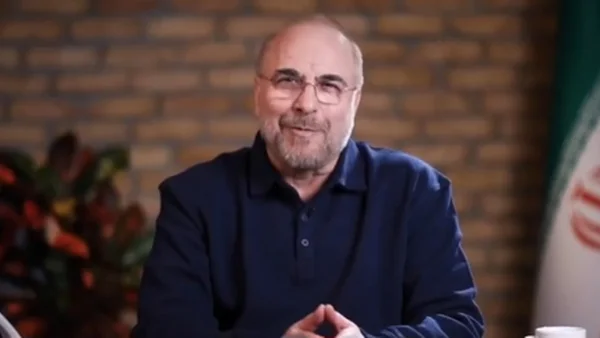
Iran's leaders have publicly said that no formal discussions are taking place with the U.S. Officials in the Iranian Parliament have criticized the fact that the U.S. is both talking about negotiations and sending more troops, claiming it shows the U.S. is preparing to invade while pretending to be open to diplomacy.
Iranian reactions and denials of direct talks
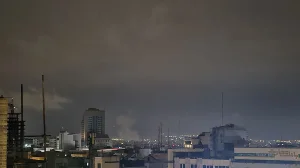
Tehran has also very strongly warned that if any invasion happens on the ground, they will retaliate forcefully. In the last few weeks, both sides have attacked each other, increasing the danger that a mistake could lead to a much wider conflict involving neighboring countries and the routes ships use.
The Strait of Hormuz is central to the world’s energy supply; a large percentage of the world’s oil that is transported by sea goes through this relatively narrow waterway. If something happens to block it, oil prices will rise sharply, shipping will become more expensive and the world’s financial markets will be upset, and all of that will happen quickly.
Strategic and economic stakes tied to the Strait of Hormuz
Taking control of, or stopping the flow from, Kharg Island would impact how much Iran can sell to other countries and influence the price of oil. Trump’s threats to destroy power plants and oil wells mean that the oil supply could be damaged for a long time and cleaning it up would be expensive, which would have a continuing effect on insurance companies, oil traders and countries that depend on energy.
Attacking things that are for civilians, like electricity and water purification plants, would have serious legal and humanitarian consequences. If you destroy the facilities that provide electricity and safe drinking water, many people could die, there would be public health emergencies and the world would likely strongly condemn and legally challenge the U.S.
Legal, humanitarian, and environmental considerations
The damage to the environment from attacking oil wells or terminals could be bad and last a long time. Beyond the immediate loss of life, repairing the damage would be complicated, the area would become even more unstable and there would be economic penalties or international cooperation to change the way things are done in the future.
It is still not clear what will happen next. Negotiations might calm things down, but the public threats, the troop movements and the fact that both sides disagree on what is happening makes the area very unstable. Financial markets, political leaders and aid organizations will be carefully looking for any sign that the diplomatic route can move faster than the possibility of military conflict.