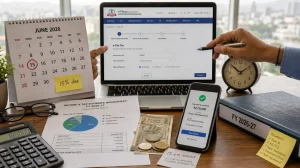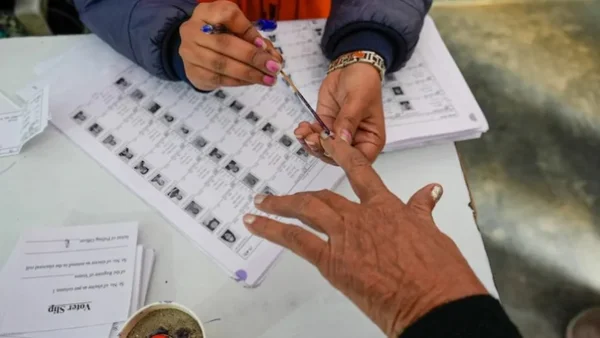
Voting at home for the Kerala Assembly Election in 2026 is happening to make it easier for older people and those with disabilities to vote. It is available from March 30th to April 4th and is for those who previously told their BLO they wanted to use it. The following explains who is eligible, how it works, and when the teams will likely come.
Overview of the home voting scheme
The option of voting at home is part of the 2026 Kerala Election’s plan to make voting available to everyone. It applies to registered voters who are 85 or older, and to people with a disability of 40% or more. You can only vote at home if you sent in a request to your BLO beforehand.
The election officials are using mobile teams to go to these voters’ homes. These teams will make sure the vote is done correctly, and that each voter’s choice is kept secret and the process is open for all to see.
Who can vote at home and how to register
Those who can vote at home are those 85 and over, and those officially registered as having a disability of over 40%. Importantly, the voter needs to have already sent an application to their BLO. The teams won’t just come to people’s homes without being asked.
Get in touch with your BLO well before the voting days to sign up. The BLO will check you are eligible and add your name to a list for your area. The BLO shares these lists with people overseeing the election and with representatives from the political parties, so the process is transparent.
Step-by-step home voting process
A team from the election office will visit your house on the day it’s scheduled. The team consists of a Polling Officer, two assistants, a Micro Observer, someone with a video camera, and police officers. Representatives from the political parties in your area will also be there.
When they arrive, the team will check your ID and make sure you are allowed to vote. The official will quickly explain what will happen, make sure you know your vote is secret, and then follow the usual rules for the vote. The vote is recorded on official forms, and the observers will document everything that happens.
Visit timings, scheduling, and contingency visits
You will get a notice beforehand from the voting team letting you know the date and approximate time of their visit. They’re scheduling multiple votes in each area over the days they’ve been given to make things efficient.
If you’re not home during the first visit, the team will arrange a second time. This gives voters several chances to vote, and keeps the process organized. Lists of voters in each area and the team’s plans are given to the candidates and political parties to allow them to check on things.
What voters should expect and practical tips
You can expect an official team with ID, and police to keep things safe and orderly. A videographer might record the vote as part of the effort to be open and transparent. Have a photo ID or your voting documents ready to make checking your identity quicker.
If you have trouble getting around, or if you’re unsure about anything, contact your BLO before the planned dates. And if you miss both visits, get in touch with the returning officer or your local election office before election day. It’s a good idea to have your BLO’s phone number with you.
Transparency, security, and final notes
The home voting system tries to make voting easy and reliable. By giving the lists of voters in each area to the parties and having many officials and observers present, it should reduce arguments. The police and video recording add to the safety and allow the process to be tracked.
This is to allow eligible older people and those with disabilities to take part in the Kerala Election in 2026 without having to go to a polling station. If you think you are eligible but haven’t received a visit notice, contact your BLO immediately to make sure you’re registered or get help.