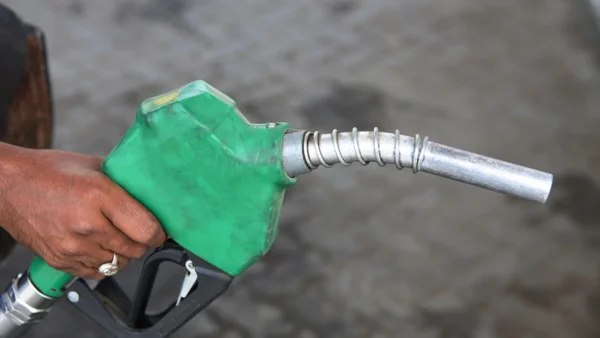
Pakistan is thinking about a very specific ‘smart lockdown’ because of the significant lack of petrol and diesel, and at the same time, Islamabad (the capital) is trying to be a diplomat as the conflict with Iran gets worse. A draft plan showed weekend closures, but officials say a decision hasn’t been made. The fact that there isn’t enough fuel in the country and the problems in the region are both putting pressure on what the government should do.
Smart lockdown talks amid rising public concern
A draft notice that was sent to leaders in each province suggested a smart lockdown for two days, from Saturday night to Sunday night, if everyone involved agrees. Reports on social media said the lockdown had already been ordered, so the government said this wasn’t true and asked people to be patient while they continue to discuss it.
Officials were quick to say that the document that was copied and shared wasn’t an official order, and the government is still deciding what to do. Because of this uncertainty, people are anxious, and both those who travel to work and businesses want to know for sure when they can get fuel and what the rules will be for getting around, before anything happens.
Details of proposed restrictions and exemptions
According to the draft, if the weekend lockdown went ahead, markets, businesses, offices and stores would be closed from just after midnight on Saturday until nearly midnight on Sunday. Weddings and parties and all kinds of getting together would be banned to reduce travel and save fuel and public funds.
The draft also said that private cars shouldn’t use motorways, roads between cities, and highways, but the government would have some buses running for people who absolutely need to travel. Hospitals, pharmacies, other important services and certain public transport would be allowed to continue, and provincial leaders might allow motorbikes and scooters to be registered for fuel assistance.
Fuel crisis, economic strain, and industry warnings
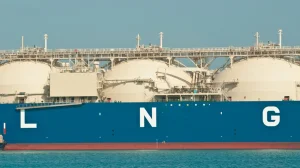
Pakistan is really short of fuel, and this is because the price of crude oil has gone up, making it harder to buy oil. The shortage of petrol and diesel has caused problems for transportation, farming and industry and could interrupt supply chains. The effect on the economy adds to the existing financial weaknesses.
The All Pakistan Petrol Pump Owners Association said that petrol station owners might shut down stations all over the country if their worries aren’t dealt with. This would make the crisis even worse and put even more pressure on the Ministry of Petroleum and the Petroleum Division to get a supply of fuel and make sure it is distributed quickly.
Policy options and operational measures under consideration
Those making policy are talking about a mix of working in the office and at home to cut down on travel and how much it costs to run things. Government employees may be in the office three days a week and working from home two days, and departments that provide services could work in the office for four days and online for two, to reduce travel during the week.
Also being suggested are a system where half the staff work at any one time, checking attendance with digital methods, and doing checks each week to make sure people are still getting work done. The authorities might also encourage private companies to allow employees to work from home and provide some financial help to people who commute and are struggling with the increased fuel prices.
Pakistan’s diplomatic positioning and Strait of Hormuz transit claims
While trying to solve the shortages at home, Islamabad says it has made sure that 20 ships flying the Pakistan flag can pass through the Strait of Hormuz, two a day. Officials say this is them being a mediator in the larger relationship between Iran, the US and Israel, and they say Pakistan can help ships get through routes that are now limited.
Political analysts point out that the ships might be going to places other than Pakistan, which puts Islamabad in a difficult spot between its promises to other countries and the economic issues it has at home. Balancing these foreign diplomatic aims with being stable within the country will require the government to be open and honest and to have a clear plan for energy.
Implications for governance and public trust
This whole thing shows how difficult it is for a government to function when plans that aren’t yet finalized get made public. Unclear statements can make people lose faith in the government and make it harder to make the changes if they are eventually introduced. It will be important to communicate clearly and quickly to stop people from panicking and causing problems with the way things work.
In the future, the government has a difficult balancing act to do: reduce the amount of fuel being used without stopping the economy, keep important services going and continue to seem like a serious diplomatic player. How well the crisis is managed will depend on getting energy quickly, talking to everyone involved and giving the public honest updates.