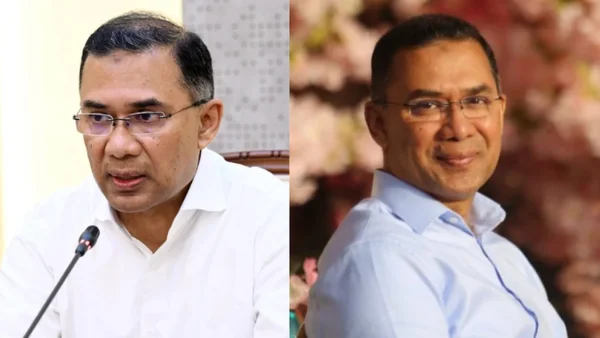
Rahman stressed that all people in Bangladesh – no matter who they voted for – have the same rights under the country. He spoke of a country for Muslims, Hindus, Buddhists, Christians, and all those who live in the hills and the plains. He said that law and order, work to stop corruption, and the honesty of institutions were his most immediate concerns. He also said that the country’s institutions – those in the constitution, the government, and those that aren’t governmental – would follow the established laws and rules, and not pressure from any political party, or the use of force.
The recent rise in mob violence and attacks
This promise followed a time of more and more mob violence, and attacks on minority groups. Rights groups recorded many lynchings and mob beatings in the first part of 2026, showing a serious drop in public safety. A community council reported hundreds of incidents involving groups in 2025 – including killings, rapes, and damage to temples – and more than one hundred people of minority faiths were killed from the middle of 2025 to January 2026. Reports showed that many of those attacked were also political opponents and activists.
Government statements about stopping mob culture
Leading ministers have also indicated a change in the way things will be done. The home minister said the ‘mob culture’ could not be accepted in any way, and other people in the cabinet said stopping mob violence would be the main job of the government. Rahman stressed that the rule of law – not political influence – would be the final say in running the country. This message is meant to reassure citizens and countries in the area that the country’s institutions will act fairly to protect people and their property.
The political situation and the challenges of governing
Rahman came into office after a strong win in the parliamentary elections in February, and was officially sworn in with a full cabinet when he came back from 17 years in exile by his own choice. The new government is taking over an economy that isn’t strong, and governing structures that have been harmed by what people say is corruption and bad rule. Putting Rahman’s plans into action will require changes in policing, the legal system, and local government. Getting back the public’s trust will depend on open investigations, quick trials, and clear protection for groups that are at risk.
Practical steps and what to look for next
Officials have already promised some specific things, including making sure basic services are available during the holy month of Ramadan, and increasing control during times of tension between groups. They say they will make sure gas, water, and electricity are available during iftar, tarawih, and sehri, to lessen friction and worry. People watching will look for real action: arrests and trials for leaders of mobs, plans to protect places of worship, help for victims, and changes to make police more responsible for their actions. Countries nearby have expressed worry about attacks on minorities, so international attention might put pressure on the government to act quickly.
What could happen to bring groups together
If the rule of law is put into effect and followed, it could help rebuild social unity and reduce attacks in return. A steady, rights based way of enforcing the law could also bring back confidence from investors, and make diplomatic tensions in the region less severe. However, success depends on the government’s willingness to act, how well institutions can do their jobs, and a fair application of justice. For many citizens, Rahman’s words will only be important if they result in safer streets, investigations that people believe in, and equal protection under the law.