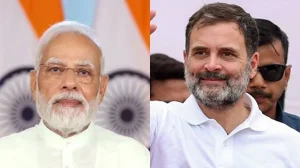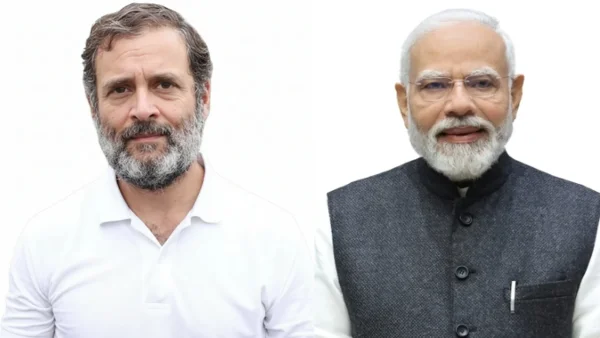
The political discussion in India about what the country should do in foreign affairs has become more pointed as problems in West Asia grew after the reported killing of Iran’s highest leader. Rahul Gandhi, who leads the opposition, publicly told Prime Minister Modi to say what India’s position is. Gandhi believes being quiet now damages India’s place in the world and causes difficult questions about what Indian diplomacy is based on in terms of right and wrong.
The increase in West Asia trouble and what immediately happened
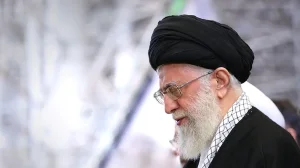
Fighting between the United States, Israel, and Iran has become more intense, causing worry in the area and effects on diplomatic work. News of an attack which targeted and killed Iran’s top leader brought strong reactions from governments and the people who work in their embassies.
Millions of people in the area are unsure of what will happen, and people who study these things warn that attacks by one side only could make the fighting spread. Risks to the safety of ordinary people and people from other countries – including the many Indians in the region – quickly created problems for Indian embassies and concerns for safety.
Rahul Gandhi openly challenges the prime minister
Using X, Rahul Gandhi pushed Prime Minister Modi to state a firm view. He directly asked: ‘Does the prime minister approve of killing the head of a country as a way to decide how the world should work?’ Gandhi said a reply is needed at once.
Gandhi put his request in terms of law and ethics, asking India to defend international law and human life. He said that even though safety problems might be real, attacks that go against the rights of nations will only make problems worse and damage chances for peace.
Requests for moral certainty and following international law
Leading people in his political party said that silence is the same as giving up moral leadership. The long-held idea of vasudhaiva kutumbakam – ‘the world is one family’ – was used as a reason for steady, principled diplomacy based on fairness and care.
The argument is that India’s claim to be a major world power depends on it being willing to stand for the rights of nations, for not using violence, and for solving problems peacefully. People wanting a clear statement want India to once more confirm these beliefs, even when it is not easy politically.
What this means for Indians abroad and how India shows itself in world politics
Political leaders warned that the crisis affects millions, including almost 10 million Indians in the area for work and study. If violence continues, travel, trade, and money sent home could be stopped, putting more pressure on Indian embassy services.
Being quiet from New Delhi might make India’s attempt to balance its friendly links with some countries and its long-standing ties with others in West Asia more difficult. People who watch these things say clarity would help protect citizens and keep India’s claim to a foreign policy which is independent and follows rules.
What the government might do and diplomatic choices
The government can act in a number of ways: issue a statement against attacks on the rights of nations, ask for care and talks, put embassy help into action, or use private diplomatic work to lessen trouble. Each choice has political costs both at home and in other countries.
Balancing links with the United States and Israel against relations with Iran and other countries in the area involves both careful thought and what the public is told. Clear, steady statements based on international law could help get back trust in how India acts in world politics.
India now faces a test of having policies which make sense together and of moral certainty. Political leaders want answers; millions want safety and what they can expect. In a fragile area, care, talks, and following worldwide rules are still the best way to lower the risk of wider fighting.