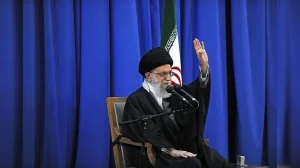
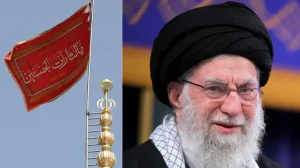
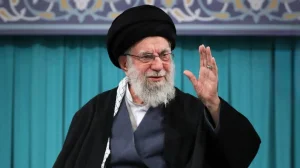
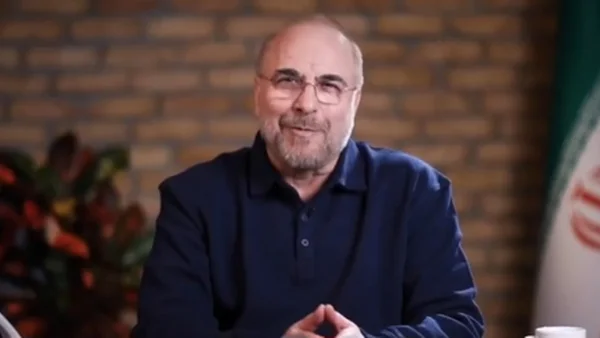
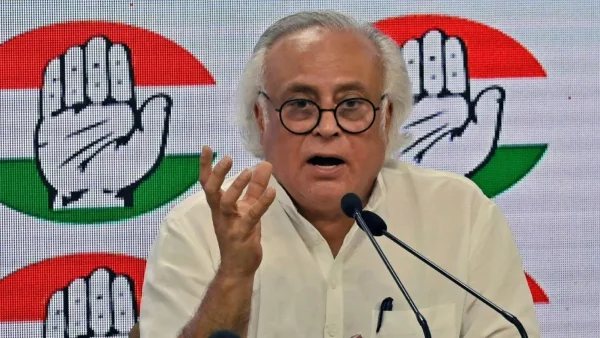
Mojtaba Khamenei has been made Iran’s new supreme leader – a step that confirms hardline groups and the security services’ control. His being chosen by the Assembly of Experts comes after the death of Ayatollah Ali Khamenei and means Iran’s centers of power will stay the same, most of all in the IRGC.
From obscurity to the top
Mojtaba grew up in Mashhad in 1969 in a family very involved in politics. His father became well-known by being against the Shah, and the family was raided and arrested many times before the 1979 revolution changed Iran.
After going to Tehran, Mojtaba went to Alavi High School and then to the seminaries in Qom, where Shia religious study is most important. He has the rank of Hojjatoleslam. He isn’t known as a leading religious law expert, and he’s stayed away from official positions in the government.
For a long time, he worked out of the public eye, supposedly controlling or affecting who got to the Office of the Supreme Leader. Both people who supported him and those who didn’t began to see him as a very important person who controlled what happened, but stayed outside of the formal political system.
The IRGC link and security network
As a young man, Mojtaba was in the Iran-Iraq war, and was with the Habib Battalion in the later years of the war. This helped him to make connections with commanders who later got important jobs in the IRGC and intelligence agencies.
These connections grew into a planned network. Mojtaba made influence in the IRGC, the Basij militia, and parts of the Quds Force, making his power in politics, security, and the large, semi-government economy tied to the Guards even greater.
In 2019, the U.S. Treasury Department put sanctions on Mojtaba Khamenei, saying he worked for the Supreme Leader and with IRGC groups. This showed how important Washington thought his role was in Iran’s government.
Beliefs, policy goals, and the nuclear issue
Mojtaba’s history shows he agrees with hardline ideas. He has been against reformists trying to start talks with the West again, particularly efforts to get Iran to limit its nuclear program in return for an end to sanctions.
In Iran’s system, the supreme leader sets the main path for foreign and security policy. Expect a focus on stopping attacks, having influence in the region through groups it supports, and carefully resisting pressure from the United States and its allies.
Regarding the nuclear program, things will likely stay the same. Tehran says its program is for peaceful use. The new leader is expected to keep using ways of talking that get benefits without giving up important abilities, and to keep the possibility of talks as a tool, not a reason.
Taking over, the process, and questions of being seen as right to rule
The Assembly of Experts, a group of religious leaders who have the power to choose the supreme leader, quickly filled the gap after Ali Khamenei died. Members said they had been told the next leader should be someone the regime’s enemies would not accept.
This goes against Iran’s long claim that the Islamic Republic would not have a dynastic succession. Many senior clerics have in the past been against fathers passing the position to their sons, and critics inside Iran condemn the look of a new family-based order.
Mojtaba has for a long time been the cause of trouble in Iran’s politics at home. He was widely linked to hardline action during the 2005 election and to the government’s response to the disputed 2009 vote. In 2022, protests again aimed at the ruling leaders, and at him by name.
What this means for Iran and the region
With Mojtaba Khamenei in charge, Iran will likely put stress on control at home, being patient in its actions abroad, and being strong when under sanctions. The IRGC’s importance in the country is set to remain high, affecting the economy, security, and foreign actions.
Relations with the United States and Israel will remain hostile. Links with Russia and China may become closer as Tehran looks for ways to get money and military technology. In the Gulf, Iran could combine stopping attacks with practical steps to lessen tension if it helps the regime to stay stable.
At home, the leadership faces a problem with many city and younger Iranians not seeing it as having the right to rule. Pressure for social freedom, a less controlled internet, and better chances in the economy will go on. The government will weigh giving some things to people against strong repression.
Main problems ahead
Getting control is the first test. Mojtaba must get the support of senior clerics, IRGC commanders, and the large networks of support that hold up the system, while also balancing groups that are against each other in the security services.
Economic trouble is very bad. Sanctions, rising prices, and not enough jobs lower people’s living standards and cause unrest. Any chance for investment will depend on careful talks, but beliefs stop Tehran from going too far without causing trouble at home.
The risk of fighting in the region remains high. Conflicts through groups and trouble in the sea could get out of control. Handling these dangers while not starting a direct war needs the IRGC to work together and talks that keep stopping attacks but don’t lead to being on one’s own.
The agreement between the government and the people is damaged. A young, connected population wants chance and respect. Continuing to crack down on people may stop protests for a short time but make people feel more and more left out. Small changes could lower pressure, but they could open the door to bigger change.
Who is Mojtaba Khamenei, Iran's new supreme leader? He is a mid-level religious leader who was made in the system his father created, tied to the IRGC, used to power behind the scenes, and ready to continue the Islamic Republic’s hardline path while dealing with a time of great danger.