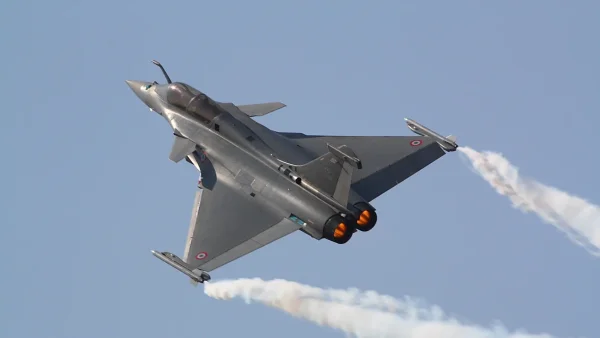
New Delhi has been unambiguous in the Rafale discussions: the next phase has to be made here. The Ministry of External Affairs says we are after co-design, co-manufacturing and the like, and that the 114-jet plan, some Rs 3. 25 lakh crore in value, is part of a more concerted Make in India effort.
Foreign Secretary Vikram Misri put it as a matter of policy, not just a sales pitch. He wants the kind of cooperation that puts as much as you can right here in India, from the drawing board to the factory floor. And with the IAF already flying the Rafale, there is common ground to work with.
Indigenisation as the core negotiating line
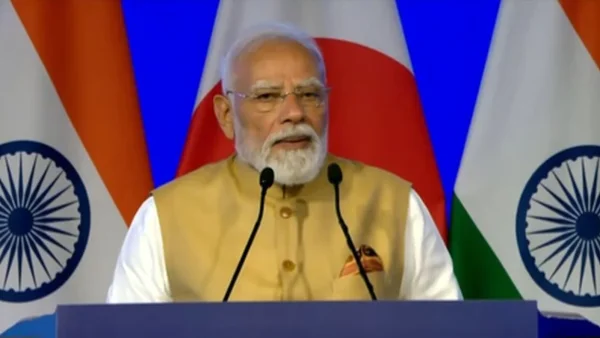
For New Delhi, indigenisation is what you have to put on the table to get scale. “We want to be in a position where we are co-developing, co-producing, and so on,” said Misri. “So it is our preference to see as much of the design and make-up as possible done in India.”
His view is that before you even look at a platform, you have to ask if it can be made locally. That holds true for the Rafale and for defence ties with France in general.
This is where the Indian side is focused at the moment:
– Making things here for the life of the platform
– Doing the design and development in India
– A way of working that up the local content
Airpower gap and the numbers that shape urgency
You can’t ignore the fact that we are short on fighter squadrons. To put that right, the government is looking to bring in 4. 5-generation-plus Rafales in volume, and that puts a clock on the whole thing.
The IAF and the Navy have 62 on order. Go ahead with the 114 and you are at 176. Add in the 31 the Navy is thinking of and you could be well over 200 in the country.
Deal structure, localisation and timelines
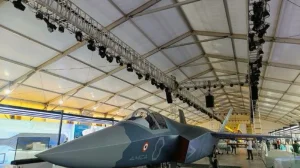
It is not just a question of buying. This would be the first time the Rafale is put together outside of France, with roughly 50 per cent of it local. We are told Dassault will be in with an Indian partner to build 94 of them here.
A Letter of Request was sent to France this month for the 114 jets for the IAF. Some in the Defence Ministry say the Acquisition Wing put the word in to the French last month.
We should have an answer from the French in two or three months. From there, sources believe the deal can be wrapped up in the year ahead.
Diplomacy sets the stage for industrial shifts
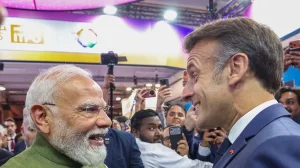
PM Narendra Modi made the point in no uncertain terms during his trip to France, in talks with President Macron in Nice. They also opened the Bharat Innovates 2026 conclave, which is all about the tech and innovation front.
Misri said they were talking defence with one thing in mind: how to get the most out of local content. The Rafale is a good vehicle for that, given it is already with the IAF.
Why this stance matters now
When we talk co-design and co-production, it is not only the bottom line. It is about where India stands in the global scheme of things. Put 50 per cent of the make in India and you have those capabilities on your own turf, with some leverage for down the road.
It is a test for any foreigner who wants to do big business with us. For France and Dassault, passing it means a long-term market, and for us, it means jobs and know-how stay home.
Now it is a matter of follow-through. If the French come back in the next few months and we close the book on it by next year, we can have our numbers and the expertise to go with them, and the squadron problem is solved.